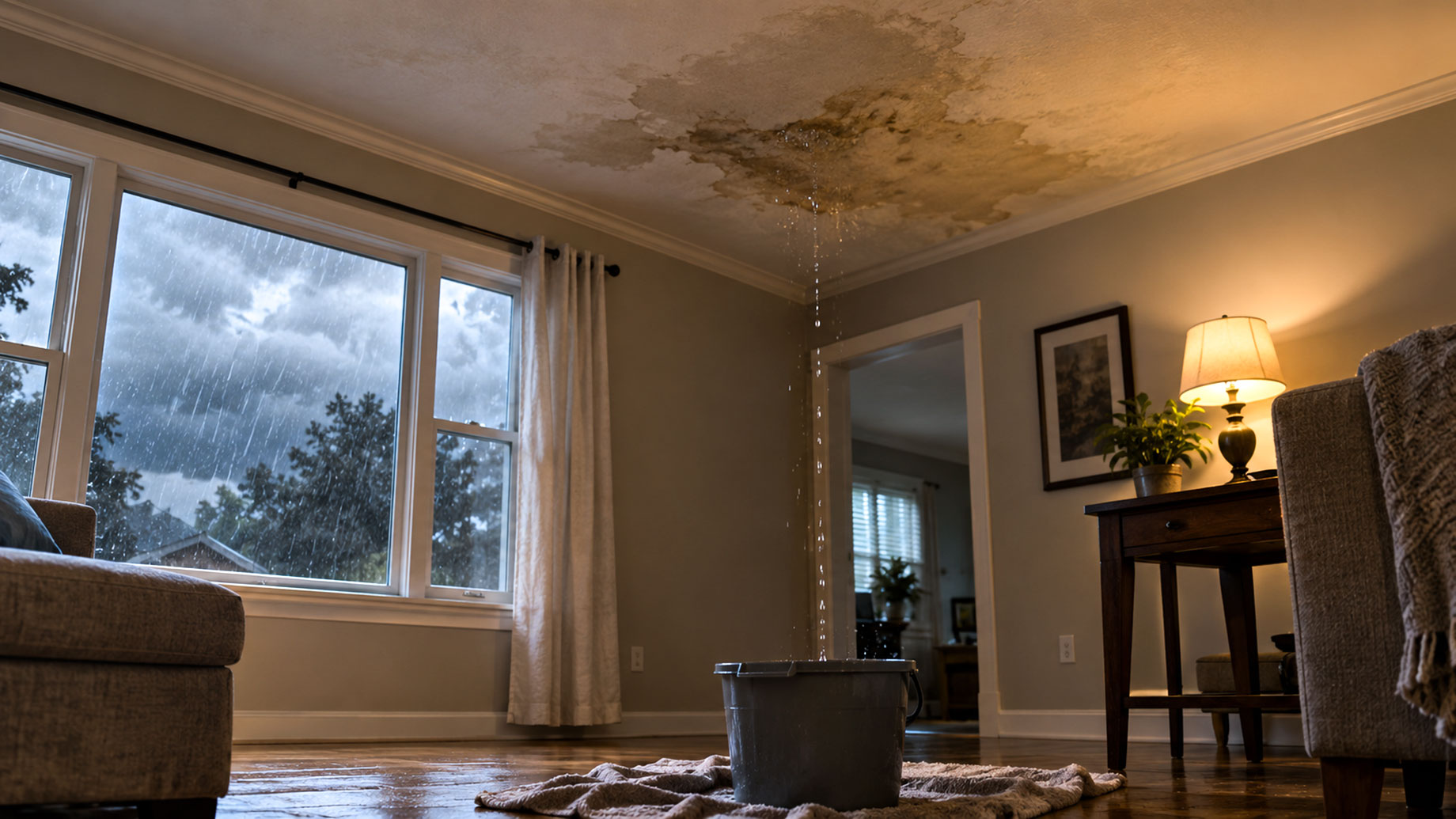
Few things get a homeowner’s attention faster than water suddenly appearing where it does not belong. A spreading ceiling stain, a damp wall, or an active drip during a heavy storm can mean moisture has already passed through several layers of the roofing system. When that happens, arranging emergency roof repair in New Jersey can help stop the situation before water reaches more insulation, decking, framing, or electrical components. Storm damage can worsen quickly, especially when another round of rain is approaching, so finding the source and securing the affected area should become a priority rather than something left for another week.
Storm Damage Can Change Faster Than Expected
A roof that handled yesterday’s weather may not perform the same way after strong wind, hail, or falling debris. Shingles can loosen without falling completely away, flashing may shift slightly, and small openings can suddenly become vulnerable when rain is driven sideways by wind.
This can create a frustrating situation where the roof looks mostly normal from the ground while water is already finding its way inside.
The next storm can make the problem considerably worse. A small opening may allow more water beneath nearby roofing materials, while wind can continue lifting sections that were already weakened. Calling for help after the first signs of interior leakage can limit how much of the roof becomes involved.
Active Dripping Calls for Prompt Action
A faint stain deserves attention, but active dripping raises the level of urgency. Water that is visibly entering a room suggests that moisture is moving through the roof assembly in a significant enough quantity to reach the finished interior.
Homeowners can take a few sensible steps while professional help is being arranged. Move furniture and electronics away from the affected area, place a container beneath the drip if it can be done safely, and photograph visible damage for reference.
Avoid climbing onto a wet or storm-damaged roof. Wet roofing materials can be slippery, and loose components may not support weight as expected. Inspection and temporary stabilization are jobs better handled by people with the proper equipment and experience.
Electrical Fixtures Make the Situation More Serious
Water near ceiling lights, switches, wiring, or other electrical components should never be treated like an ordinary household leak. Moisture can travel through hidden cavities and reach electrical areas before homeowners realize what is happening.
A dripping light fixture or wet area around electrical components should be approached cautiously. People should stay clear of the affected location and avoid touching wet fixtures or attempting improvised repairs.
Roofing professionals can work on stopping the source of water intrusion, while electrical concerns may require attention from a qualified electrician. Acting early is especially important because the visible water may represent only part of what has already spread behind ceilings or walls.
Wet Insulation and Decking Can Increase Repair Costs
The longer a roof leaks, the more materials may become involved. Insulation can hold moisture, roof decking may soften, and wooden framing can remain damp even after the rain has stopped.
This is where delaying a repair can become expensive. What might initially require attention to a small roofing section could develop into a project involving decking, insulation, drywall, paint, and other interior materials.
Prompt repairs help interrupt that progression. A thorough inspection can determine how far moisture has traveled and whether surrounding materials remain usable. Addressing the problem while it is still relatively contained often means less disruption inside the home.
Temporary Patches Have Their Limits
Storms do not always arrive at convenient times, and sometimes a temporary measure is necessary until permanent work can be completed. Professional tarping or another suitable temporary solution may help reduce additional water entry when immediate full repairs are not practical.
However, temporary protection should not become a long-term substitute for correcting the damaged roof.
The same applies to quick applications of roofing cement or sealant. These products can be useful in certain situations, but covering a suspected leak without knowing its source may simply redirect water to another location. The better approach is to inspect the system carefully, identify what failed, and complete a repair designed for the actual damage.
Warning Signs After a Severe Storm Should Be Taken Seriously
Interior dripping is an obvious warning, but other storm-related signs can indicate that water intrusion is close behind. Missing shingles, pieces of roofing material in the yard, damaged gutters, bent flashing, exposed roof areas, and debris strikes should all prompt a closer look.
Indoors, watch for fresh discoloration on ceilings, damp attic insulation, peeling paint, musty areas, or moisture along upper walls. Even subtle changes after a storm can provide valuable clues.
Homeowners do not need to determine exactly what caused the problem before calling a roofer. Describing when the symptoms appeared and what happened during the storm can help the professional know where to start looking.
Fast Repairs Can Protect More Than the Roof
A good roofing response is not simply about stopping a drip. It is about protecting the rest of the property from the chain reaction that can follow ongoing water intrusion.
Once the damaged area has been identified, a professional can check surrounding materials, remove compromised components where needed, restore the protective roofing layers, and explain whether any additional concerns were found. That kind of information gives homeowners a much clearer picture than another temporary patch.
It also provides valuable peace of mind when another storm is expected. Instead of wondering whether the next downpour will bring another bucket to the living room floor, homeowners can know that the source has been properly investigated.
Waiting Rarely Makes an Interior Leak Easier to Fix
It can be tempting to postpone roofing work once the rain stops and the dripping disappears. Unfortunately, dry weather does not repair the opening that allowed water inside. The same vulnerable area may begin leaking again the next time conditions are right, sometimes with much more water.
Calling a roofing professional promptly gives the problem a better chance of staying small. It allows damaged areas to be inspected before repeated storms enlarge them, and it can reduce the amount of interior restoration needed later.
When water has already crossed from the roof into the living space, the home is giving a very clear warning. Responding quickly, especially after severe weather, can protect the structure, reduce repair costs, and help restore confidence that the roof is ready for whatever the forecast brings next.
