Bed bugs are among the most persistent household pests in the United States. Their ability to hide in tiny spaces, reproduce quickly, and survive for months without feeding makes them particularly difficult to eliminate. While many people initially attempt to solve an infestation with store-bought products, successful bed bug control typically requires a structured, evidence-based approach rather than quick fixes.
An effective bed bug treatment strategy focuses on identifying the extent of the infestation, reducing hiding places, applying targeted control methods, and preventing future reintroduction. Understanding how bed bugs behave and where they hide is essential for achieving long-term results.
Why Bed Bugs Are So Difficult to Eliminate
Bed bugs are small, flat insects that feed on human blood, usually at night. Unlike many other household pests, they do not build nests and can hide in mattresses, bed frames, furniture joints, electrical outlets, wall cracks, and luggage.
One of the biggest challenges in controlling bed bugs is that they are excellent hitchhikers. They can travel between apartments, hotels, public transportation, and personal belongings without being noticed. Because they often remain hidden during daylight hours, infestations may become established long before they are discovered.
Research from universities and pest management organizations has shown that bed bugs have developed resistance to several commonly used insecticides. This resistance means that relying solely on over-the-counter sprays often fails to resolve the problem completely.
Early Detection Improves Treatment Success
The sooner an infestation is identified, the easier it is to control. Recognizing common signs of bed bug activity, such as small reddish stains on bedding, dark fecal spots near mattress seams, shed skins, and itchy bite marks after sleeping, can support earlier detection and treatment.
Regular inspections can help identify problems before populations grow. Particular attention should be paid to mattress seams, box springs, headboards, upholstered furniture, and areas close to sleeping spaces.
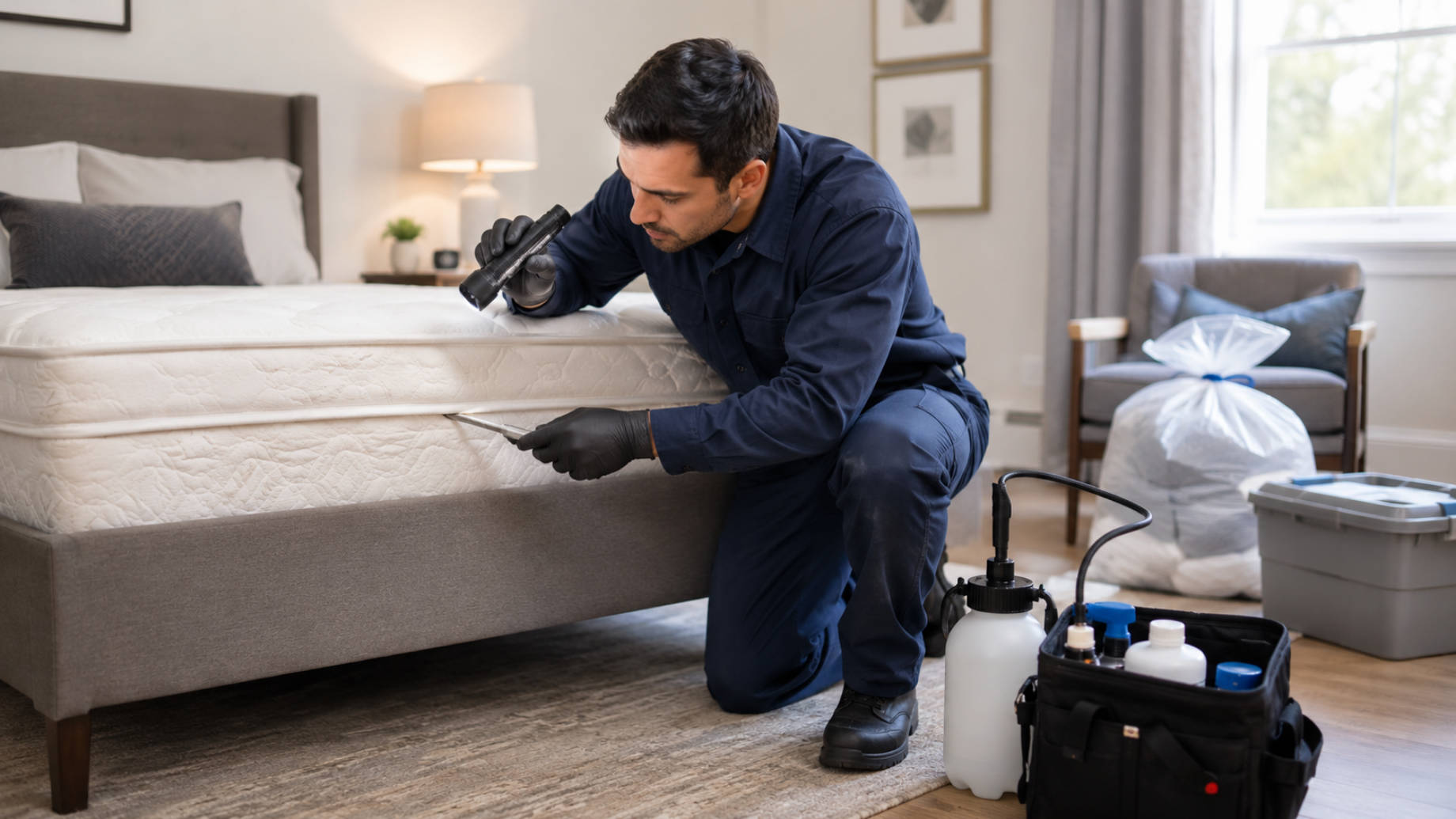
When inspecting a room, a flashlight and a thin card can help reveal insects hidden in narrow cracks. Because bed bugs prefer to stay close to their food source, areas around beds should always be examined first.
Preparation Is a Critical Step
Many treatment efforts fail because preparation is incomplete. Before any control measures begin, it is important to reduce clutter and create access to hiding places.
Bedding, clothing, curtains, and washable fabrics should be laundered using hot water and dried on high heat whenever possible. Heat is highly effective against all life stages of bed bugs, including eggs.
Items that cannot be washed may be placed in a dryer on high heat if the material allows. Vacuuming mattresses, furniture, baseboards, and cracks can also help remove insects and eggs before additional treatments are applied.
Once cleaned, belongings should be stored in sealed containers or bags to reduce the risk of reinfestation during the treatment process.
Combining Multiple Treatment Methods Produces Better Results
Integrated Pest Management (IPM) is widely considered the most effective approach to bed bug control. Rather than relying on a single technique, IPM combines several methods to improve overall success.
Heat treatment is one of the most effective options because bed bugs cannot survive sustained high temperatures. Professional heat treatments can raise room temperatures to levels that eliminate insects in furniture, walls, and other difficult-to-reach locations.
Targeted insecticide applications may also be used as part of a broader strategy. These products should be applied carefully according to label instructions and are generally most effective when combined with non-chemical methods.
Mattress encasements can help trap remaining insects and prevent new hiding spots from developing. While encasements do not eliminate an infestation on their own, they can support a comprehensive treatment plan.
Monitoring devices placed under bed legs and furniture can help determine whether activity continues after treatment.
Bed Bug Challenges in New York City
Large urban environments present unique challenges for pest control. In densely populated areas, bed bugs can spread between neighboring units through wall voids, utility lines, and shared spaces.
This is particularly relevant when discussing bed bug control strategies in New York City. Multi-unit residential buildings require coordinated efforts because treating a single apartment may not fully resolve the problem if neighboring units remain infested.
Property managers, tenants, and pest control professionals often work together to implement effective bed bug treatment NYC programs that include inspection, monitoring, resident education, and follow-up assessments.
Another factor influencing bed bug control outcomes in NYC is the constant movement of people through hotels, public transit systems, office buildings, and apartment complexes. Increased travel and population density create more opportunities for the accidental transport of bed bugs between locations.
For this reason, experts frequently recommend ongoing monitoring after professional bed bug services have been completed. Continued vigilance helps identify new activity before a major infestation develops.
Whether in residential apartments, condominiums, or commercial properties, successful New York City bed bug management plans generally emphasize early detection, comprehensive inspection, and a combination of treatment methods rather than dependence on a single solution.
The Role of Professional Inspection
Although some infestations can be identified through visual inspection, professional assessments often provide a clearer picture of the problem.
Experienced inspectors understand where bed bugs are most likely to hide and can recognize subtle signs that homeowners may overlook. In some cases, specially trained detection dogs are used to identify infestations in large buildings, hotels, and complex environments.
A professional inspection can help determine the severity of the infestation and guide the selection of appropriate treatment methods. This information is particularly valuable when infestations have spread beyond sleeping areas into adjacent rooms.
Preventing Reinfestation After Treatment
Successful elimination is only part of the process. Preventing bed bugs from returning is equally important.
Travelers should inspect hotel rooms, keep luggage off beds and floors, and examine belongings before returning home. After traveling, clothing should be washed and dried at high temperatures whenever possible.
Secondhand furniture should be carefully inspected before being brought indoors. Mattresses, upholstered furniture, and wooden bed frames can all harbor hidden bed bugs if not thoroughly examined.
Routine monitoring around sleeping areas can also help identify problems early. Catching a new infestation quickly often reduces the time, effort, and cost required to resolve it.
Common Mistakes That Can Make Infestations Worse
One of the most common mistakes is moving infested furniture to another room. This action can unintentionally spread bed bugs throughout a property.
Another frequent error is using excessive amounts of insecticide. Applying more product than recommended does not improve effectiveness and may create health risks while driving insects into deeper hiding places.
Discarding mattresses without addressing other hiding areas is also ineffective. Bed bugs frequently occupy bed frames, furniture, walls, and nearby belongings. Removing one item rarely eliminates the entire infestation.
Skipping follow-up inspections can also lead to recurring problems. Even when most insects have been eliminated, surviving eggs may hatch later, requiring additional monitoring and treatment.
A Long-Term Perspective on Bed Bug Control
Effective bed bug management requires patience, consistency, and a methodical approach. Because these insects are resilient and highly adaptable, successful control rarely comes from a single action.
The most reliable results are achieved through a combination of early detection, thorough preparation, integrated treatment methods, and ongoing monitoring. Whether dealing with a small infestation in a single-family home or a larger problem in a multi-unit building, understanding bed bug behavior remains the foundation of successful control.
By focusing on evidence-based practices rather than temporary fixes, property owners and residents can significantly improve their chances of eliminating infestations and reducing the risk of future outbreaks. A proven approach to bed bug treatment is not about finding a miracle solution—it is about applying the right strategies consistently and comprehensively over time.
