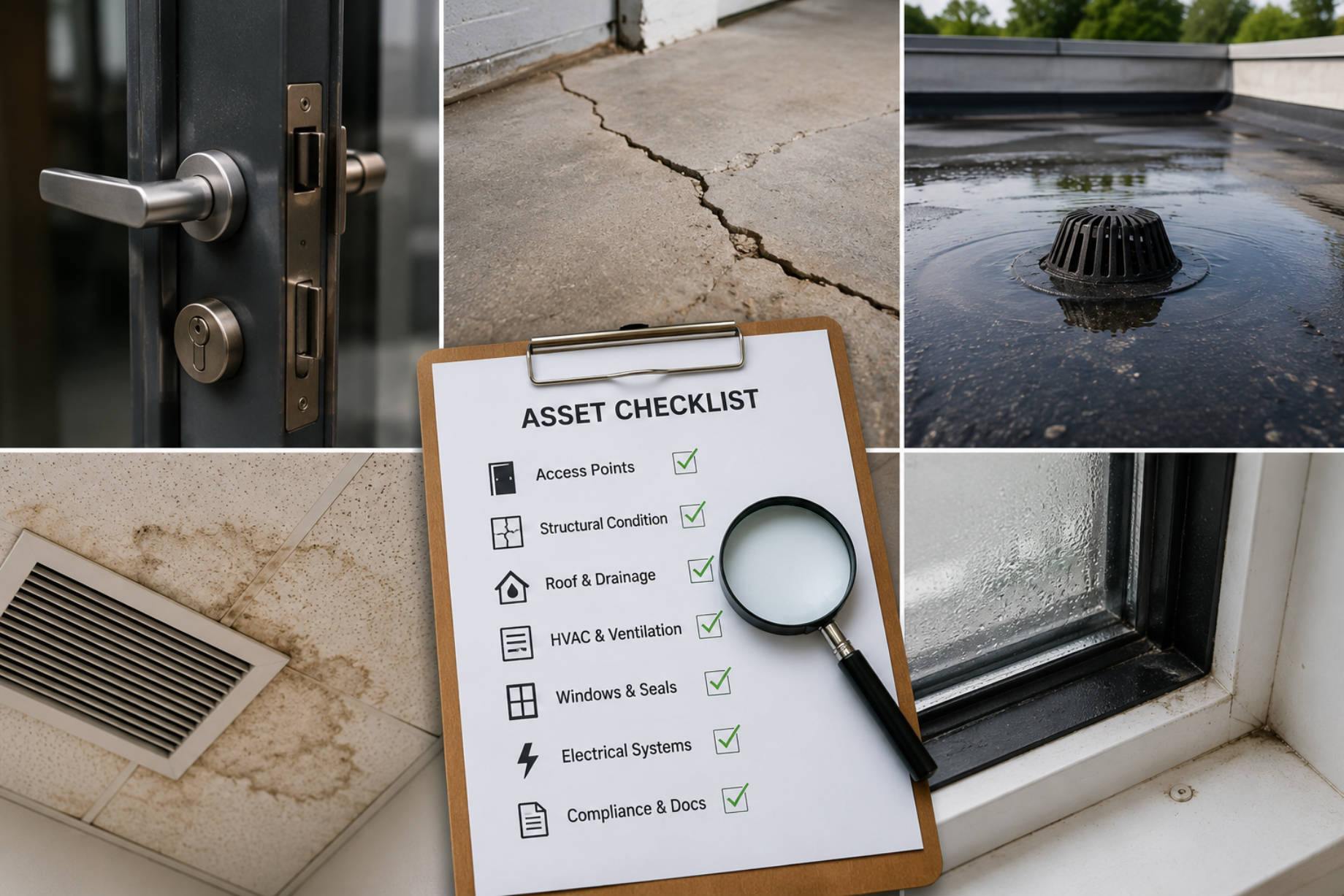
When people evaluate an asset before buying it‚ they usually focus on the obvious factors: price‚ location‚ condition‚ size‚ legal ownership‚ expected return‚ and the visible quality of what they are about to purchase. Those things matter‚ of course. But many costly surprises hide in the smaller details that buyers often notice only after the deal is done.
Whether the asset is a commercial unit‚ a rental property‚ a small business location‚ a warehouse‚ or another physical asset that is expected to serve a practical purpose‚ it is worth slowing down before making a final decision. A good-looking asset can still carry maintenance problems‚ operational limitations‚ or hidden upgrade costs that affect its true value.
According to the Toronto-based doors repair and installation experts of Lawrence Doors‚ one of the overlooked examples is the condition of access points: doors‚ frames‚ locks‚ closers‚ sliding systems‚ and glass entries. These parts may seem secondary during a purchase review‚ but if they are worn‚ misaligned‚ insecure‚ or not suitable for daily use‚ they can create immediate costs and safety concerns.
Condition Is Not Only About What Looks Damaged
A common mistake is assuming that “good condition” means no visible damage. In reality‚ many problems do not look dramatic during a quick inspection. A door may look clean but fail to latch reliably. A floor may look polished but have uneven settling underneath. A roof may appear fine from inside while drainage issues are developing outside.
The better question is not only “does it look good?” but “does it perform properly under regular use?” Before buying‚ test the asset the way it will actually be used. Open and close entries repeatedly. Check whether locks work smoothly. Look for rubbing‚ dragging‚ loose handles‚ unusual sounds‚ moisture marks‚ uneven gaps‚ or signs that people have been forcing something to work.
Small functional defects can reveal a lot about how well the asset has been maintained.
Maintenance History Can Be More Important Than Age
Many buyers ask how old something is. That is useful‚ but it is not always the most important question. A newer asset that was poorly maintained may be worse than an older one with consistent service records.
Ask for maintenance history wherever possible. When were major systems serviced? Were repairs documented? Were parts replaced properly or patched temporarily? Are there recurring issues? If the seller cannot provide clear answers‚ that does not automatically mean the asset is bad‚ but it does mean the buyer should be more cautious.
Pay attention to patterns. One recent repair may be normal. Repeated fixes in the same area may suggest a deeper problem. For example‚ if the same entry system‚ HVAC component‚ plumbing section‚ or electrical panel has been serviced several times‚ it may be a sign that the root cause was never fully addressed.
Access and Movement Affect Everyday Value
Access is easy to underestimate. Buyers may focus on square footage‚ layout‚ or design while overlooking how people‚ vehicles‚ deliveries‚ equipment‚ or customers will move through the space.
Ask practical questions. Can deliveries enter easily? Are doors wide enough for equipment? Are entry points secure after hours? Are there bottlenecks during busy times? Is there enough clearance for regular operations? Do emergency exits make sense? Are entrances accessible for people with mobility limitations?
An asset that looks good on paper may become frustrating if movement through it is awkward. This is especially true for properties used by staff‚ tenants‚ customers‚ or suppliers. Poor access can create delays‚ safety issues‚ and future renovation expenses.
Hidden Upgrade Costs Can Change the Real Price
The purchase price is only one part of the cost. Buyers should also think about what must be upgraded immediately‚ what will likely need attention within the first year‚ and what improvements are required to make the asset usable for its intended purpose.
Some upgrades are obvious‚ such as repainting‚ replacing damaged flooring‚ or updating signage. Others are less obvious: improving insulation‚ adjusting entry systems‚ upgrading locks‚ replacing worn hardware‚ improving lighting‚ fixing drainage‚ or bringing certain features up to code.
A practical way to evaluate this is to create three lists before buying: essential fixes‚ near-future improvements‚ and optional upgrades. The essential fixes should be added mentally to the purchase price. If the asset is only attractive before those costs are included‚ it may not be as strong a deal as it first appears.
Neighbouring Conditions Can Affect the Asset
The asset itself may be in acceptable condition‚ but the surrounding environment can still affect its value. Nearby construction‚ poor drainage on adjacent land‚ limited parking‚ difficult loading access‚ noise‚ vandalism risk‚ or changing traffic patterns can all influence the asset after purchase.
Look beyond the walls. Visit at different times of day. Check how the area feels in the morning‚ during business hours‚ and after dark. Notice whether access roads are busy‚ whether neighbouring units are well maintained‚ and whether there are signs of recurring damage or neglect in shared areas.
For property-related assets‚ shared infrastructure can also matter. Hallways‚ common entrances‚ exterior lighting‚ garbage areas‚ service corridors‚ and shared doors may affect daily use even if they are not technically inside the purchased unit.
Documentation Should Match Reality
Paperwork is essential‚ but it should not be treated as a substitute for physical inspection. Plans‚ permits‚ warranties‚ service records‚ leases‚ and technical documents can all help‚ but they should be compared against what is actually on site.
If a document says a system was upgraded‚ confirm that the upgrade exists and functions properly. If a plan shows one layout but the site has been modified‚ ask whether the change was approved. If a warranty is mentioned‚ check whether it is transferable. If the seller claims recent improvements were made‚ request invoices or service records.
The goal is not to distrust every seller. It is to reduce uncertainty before committing money.
The Best Deals Are Usually the Clearest Ones
A strong asset is not necessarily perfect. Almost every asset has some imperfections‚ and many of them are manageable. The real risk comes from unclear problems‚ vague explanations‚ missing records‚ and issues that are easy to ignore during a short viewing.
Before buying‚ take the time to examine the less obvious details: function‚ access‚ maintenance history‚ surrounding conditions‚ and hidden upgrade costs. These checks can help reveal whether the asset is genuinely practical‚ or whether it only looks appealing at first glance.
A careful review may not always change the decision to buy. But it can improve negotiation‚ prevent surprises‚ and help the buyer understand the true cost of ownership from the beginning.
