Forget the marble island and the monogrammed slippers. 2026’s bragging right is a space that smells right, sounds right, and feels right to the touch. For years, status was visual. The statement chandelier. The it-bag on the console table.
Now designers are chasing something harder to photograph and easier to hold. Istituto Marangoni’s Maze35 calls this ASMR interior design. Spaces built from soft textures, ambient soundscapes, and calming light.
No longer mere backdrops, designers are treating rooms like instruments tuned to your senses.
Introducing the “Sense Economy”

This isn’t about aesthetics for aesthetics’ sake. The deviation is functional, with
environments engineered to lower your heart rate the second you walk in.
Your Nose Knows
Nowhere is this more obvious than in fragrance.
Highsnobiety recently unpacked the strange reign of the $90 hand soap. How did a bottle by the bathroom sink become one of the loudest status signals in our homes?
“At a time when ‘taste,’ as defined by our consumption habits, can be broadcast and replicated throughout social media, opportunities to status-signal essentially come down to any chance we have to do some visual name-dropping.” – Highsnobiety’s Sable Yong.
It’s a small, sensory flex. Cheaper than a handbag, but just as loaded with ambiguous meaning.
On the more grounded end of that spectrum, home spa products from Tranquility Spa Treat turn that same instinct (scent as self-care) into something anyone can bring home.
Without the $90 price tag, you can get home spa essentials like aromatherapy oils, candles, and bath rituals designed to make everyday routines feel like a retreat.
Sound Rooms and Slow Living
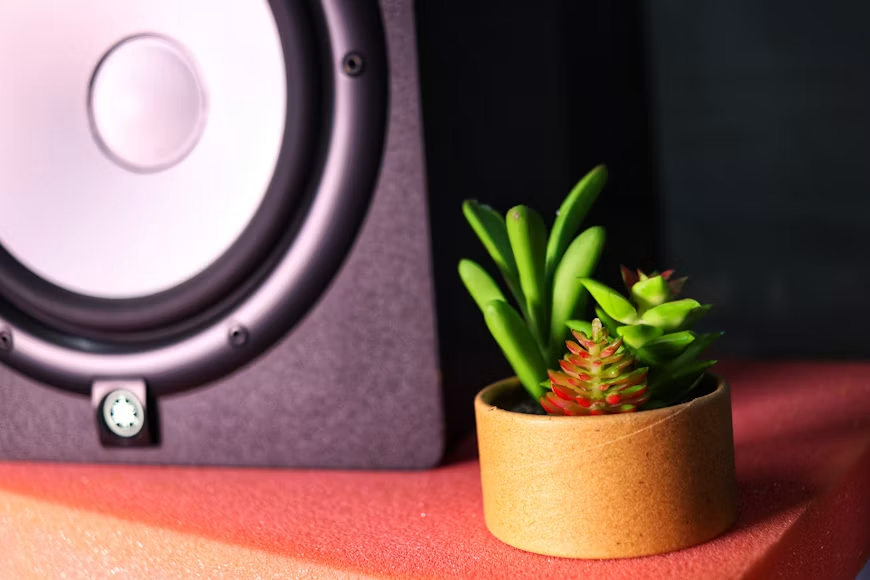
Smell isn’t the only sense that is getting the five-star treatment.
Sound is having a moment too. Livingetc reports that listening rooms are one of the defining design trends of the year. The popularity of these spaces, built entirely around a record player and good acoustics, is influenced by what one designer calls a “collective fatigue with overstimulation.”
It’s a deliberate rejection of the always-on home, one vinyl crackle at a time. That fatigue is also how we describe wellness itself.
Style Rave traces the rise of “quiet wellness,” a move away from performative self-care (the smoothie photos, the matching gym sets) toward something private and restorative. Think sleep tourism, soundproofed spa rooms, routines designed for how you feel rather than how they’ll look online.
The Office Gets the Memo
Sensory thinking has even crept into the workplace. 2Stories makes the case for the smartest offices right now. They’re trading more screens for more plants, natural light, and calming soundscapes.
These spaces are designed to help people think more sharply by engaging their senses instead of overwhelming them.
Attainable Aspiration
This trend doesn’t require a renovation budget.
Closer to home, a handful of New Jersey designers are rethinking wellness room by room. Sensory design scales down as easily as it scales up, whether that’s a $40 candle or a full listening nook.
Sensory design is status without shouting. It doesn’t need an audience. You feel it before you notice it.
And unlike last decade’s status symbols, this one doesn’t ask you to go into debt to earn it. A great-smelling room. A considered soundscape. A corner built for stillness. That’s luxury you can live inside.
FAQs
What is sensory design?
It’s interior and product design built around how a space feels, sounds, and smells. Think tactile materials, ambient sound, considered scent, and lighting tuned to calm the nervous system.
Why is it being called a status symbol?
Because it’s replacing the old visual flex. $90 hand soap or a dedicated listening room shows taste and intention the way a logo bag used to. It’s quieter about it, and felt rather than instantly recognized.
Do I need a big budget to try it?
No. The trend scales. A candle or aromatherapy oil gets you the scent layer. A corner with soft textures and a speaker gets you the sound layer. You don’t need a full renovation to borrow the principle.
Where should I start at home?
Scent is the easiest entry point. A considered candle or oil in one room. From there, reduce visual clutter and add soft, sound-absorbing materials before you touch anything structural.
Sensory Design, By the Numbers
| Stat | What it Means | Source |
| $90 | Price of Loewe’s Tomato Leaves hand soap | Highsnobiety |
| 90%+ | Share of employees at top-performing companies who intentionally unplug from tech during the workday | 2Stories, citing Gensler’s 2024 Global Workplace Survey |
| 2024 | Year Cove, an ASMR-informed chemotherapy infusion chair designed to lower patient stress | Istituto Marangoni / Maze35 |
| $47 | Repurchase cost of Aesop’s Resurrection Aromatique | Highsnobiety |
The Real Flex
For years, “having taste” was having the right things on display. Now it means creating a space that does something to you.
It calms you down, wakes you up, makes you want to linger instead of scroll. It’s a quieter kind of showing off, but it might be more honest.
Maybe the real flex isn’t the $90 soap or the vinyl setup on its own. It’s that you bothered to notice your senses needed tending to in the first place.