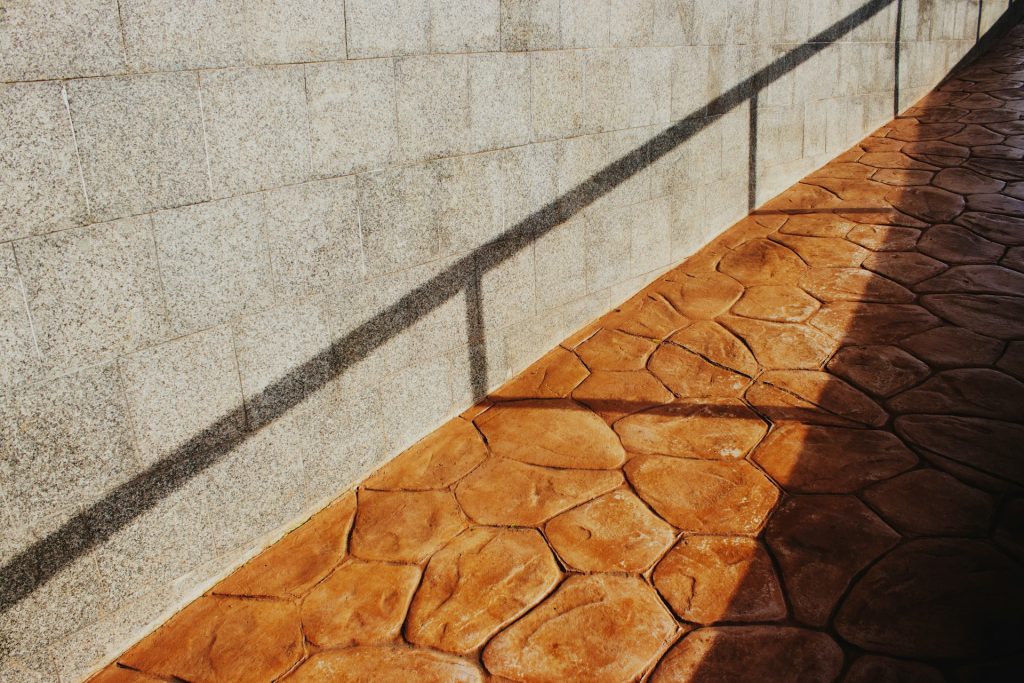
A sunken section of decorative concrete can spoil the look of your patio, walkway, or pool area. With reliable concrete pumping, homeowners can raise uneven sections without tearing out and replacing the entire surface. Fixing the problem before spring can save you months of dealing with an uneven outdoor space.
Sunken Concrete Can Become a Safety Problem
Decorative concrete is a popular choice for patios, garden paths, pool decks, and outdoor seating areas. But when part of the concrete starts sinking, it can leave an uneven edge that people might trip over. Someone walking through the yard may not notice the raised edge until they catch their foot on it.
Sunken areas can also collect rainwater instead of draining away. These puddles can make the surface slippery, and water getting beneath the concrete may cause more trouble over time. If temperatures drop below freezing, the water can freeze, making the area even more dangerous to walk on.
Putting off repairs until spring means you will have to keep dealing with the uneven surface throughout winter. Even a slight height difference can become annoying when you walk over the same spot every day. Having the problem checked and repaired sooner can make the area easier and safer to use.
Lifting May Preserve the Existing Decorative Finish
Replacing decorative concrete involves more than pouring a new slab. Homeowners must also consider the color, texture, stamping pattern, and surrounding surfaces. Matching an older decorative finish can be difficult, especially when materials have weathered.
Concrete lifting offers another possibility when the existing slab remains structurally sound. Instead of removing everything, contractors raise the sunken section by introducing material beneath it. This approach may preserve much of the original appearance.
A professional inspection is necessary before choosing this method. Severely cracked, crumbling, or badly damaged concrete may not be suitable for lifting. The slab’s condition matters more than its appearance.
Replacement Usually Creates More Disruption
Tearing out an old patio or walkway can involve much more work than you might expect. The crew must break up the concrete, remove the pieces, and prepare the ground for a new slab. You may also need to move outdoor furniture and protect nearby plants from construction damage.
After the crew pours the new concrete, you still have to wait for it to cure before using the area normally. If you want a decorative finish, the workers may also need time to add colors, stamp patterns, or apply a sealer. All this extra work can keep part of your backyard off-limits longer than you planned.
Raising a sunken slab can be a simpler option when the concrete is still in good condition. In many cases, contractors can lift the affected section without breaking up the entire surface or messing up the surrounding yard. How long the repair takes will depend on the lifting method, the condition of the concrete, and the area being worked on.
Understanding How Concrete Lifting Works
Concrete slabs sometimes sink because the soil beneath them settles or washes away. Empty spaces can develop under the surface, leaving sections without proper support. Simply covering the low area doesn’t fix the underlying problem.
Certain lifting methods use concrete pumping equipment to place a cement based mixture beneath the slab. Other systems inject specialized expanding materials that help raise and support the concrete. The contractor selects an approach based on the slab and surrounding conditions.
Small access holes are typically needed to introduce the lifting material. Contractors monitor the slab as it rises and make adjustments to improve its position. Contractors patch the holes afterward, though repairs may remain visible on decorative finishes.
Winter Planning Can Prevent Spring Delays
A lot of homeowners put off concrete repairs until the weather starts warming up. The problem is that spring is also when contractors begin getting calls for patios, driveways, and other outdoor projects. Getting in touch during winter gives you a chance to discuss the repair, compare prices, and find someone before their schedule fills up.
Some concrete lifting jobs cannot be done when temperatures are too low. Ground conditions, moisture levels, and the materials used can all affect when the work can take place. Having a contractor inspect the area can help you decide whether to repair now or wait until conditions improve.
Winter also gives you time to find out what caused the concrete to sink in the first place. Water draining toward the slab, a leaking underground pipe, or soil that has shifted over time could be responsible. Dealing with the cause before raising the concrete may help prevent the same problem from happening again.
Final Thoughts
Sunken decorative concrete does not always require a complete replacement when spring arrives. Exploring reliable concrete pumping and other lifting methods may help homeowners preserve existing surfaces while addressing uneven areas. A professional assessment can determine whether lifting is practical and when to complete the repair.