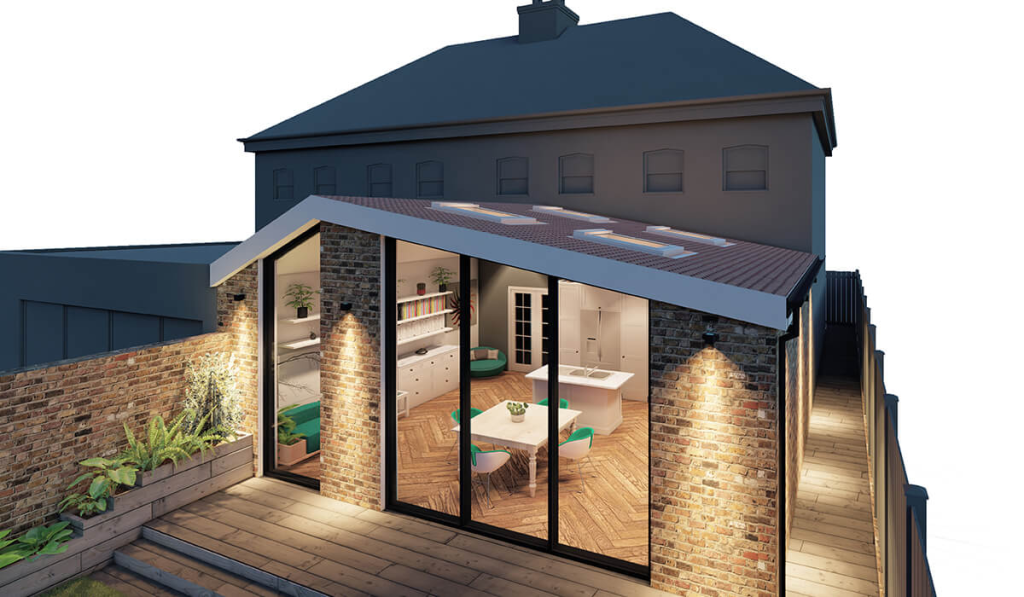
Luxury renovations often involve extensive structural changes, from basement excavations to loft extensions and rear additions. When a property shares a wall, floor or boundary with a neighbour, the work usually falls under the Party Wall etc. Act 1996. Engaging a party wall surveyor early helps avoid disputes that can stall even the most carefully planned project.
High-end homes tend to have older or more complex structures, which makes them more sensitive to vibration, excavation and load changes. A surveyor’s role is to assess these risks before work begins and to set out the legal framework that protects both parties.
What the Surveyor Actually Does
The process starts with serving notice on affected neighbours, explaining the proposed works and timeline. If the neighbour consents, the project can proceed without further formality. If they dissent or fail to respond, a dispute is deemed to exist and surveyors are appointed to resolve it.
A schedule of condition is then prepared, recording the state of the neighbouring property before work starts. This document becomes essential if any damage is later claimed, since it provides a clear baseline for comparison.
Once both sides agree on terms, a party wall award is drawn up. This sets out what work can take place, the conditions attached, and how any disputes during construction will be handled.
Risks of Skipping This Step
For luxury renovations, the financial stakes are high. Basement digs and structural alterations carry real risk of settlement or cracking in adjoining properties, and neighbours are often quick to raise concerns when expensive finishes are involved.
Without a party wall agreement, a neighbour can apply for an injunction to halt works. This can mean scaffolding sitting idle, contractors standing down, and significant delays to a tightly scheduled programme.
There is also the question of access. Many renovations require entry to a neighbour’s property to carry out works such as underpinning or repairs to a shared wall. The Act provides a legal route for this access, but only once the proper notices have been served.
Timing Matters
Notices must typically be served at least one or two months before work begins, depending on the type of work. For complex luxury projects, this means party wall matters need to be addressed during the design stage, not left until contractors are ready to start.
Architectural technologists working on these projects often flag party wall requirements early, since the survey and notice process can run in parallel with planning applications and detailed design. This avoids a situation where the build is approved and ready but held up by an unresolved dispute.
Protecting Long Term Value
A luxury renovation is an investment, and disputes with neighbours can have lasting consequences beyond the build itself. Poor relations can affect future sales, create ongoing access issues, and in some cases lead to costly legal proceedings.
A well-handled party wall process protects against this. The schedule of condition gives both parties confidence, the award sets clear expectations, and the formal notice process demonstrates that the homeowner has acted properly.
For anyone planning significant structural work near a shared boundary, involving a surveyor at the outset is one of the simplest ways to keep a luxury renovation on track and on budget.
Visit: kali puja countdown