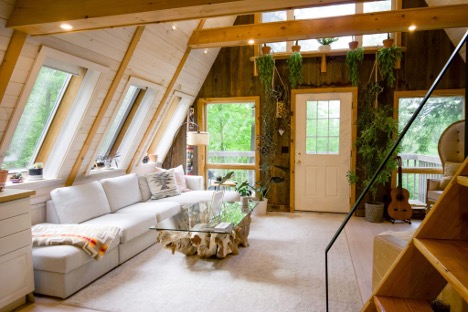
A beautiful home can impress someone instantly. Clean architecture, carefully selected finishes, dramatic lighting, and luxury details often create the kind of first impression people remember. But the homes that truly stay with people, the ones they never want to leave, usually offer something much deeper than visual appeal alone. They create comfort without effort, support daily routines naturally, and feel emotionally calming in ways that are difficult to describe but immediately noticeable.
That distinction has become more important in recent years as people spend more time at home and expect more from the spaces they live in. A property is no longer judged only by how modern it looks or how expensive the materials are. Homeowners increasingly value spaces that feel easy to live in over spaces that simply look impressive in photos. The difference between a beautiful home and a deeply livable one often comes down to thoughtful design decisions, comfort systems, and the invisible details people experience every single day.
The Layout Usually Matters More Than the Finishes
Luxury finishes can transform a room visually, but they cannot compensate for a layout that feels frustrating to use. Homes that feel relaxing typically guide movement naturally from one space to another. Kitchens connect logically to gathering spaces, private areas feel genuinely quiet, and transitions between indoor and outdoor living feel seamless instead of forced.
Many homeowners discover that the emotional experience of a home depends more on functionality than decoration. A well-positioned window that captures morning light may matter more over time than an expensive countertop. Likewise, thoughtful storage solutions or a practical floor plan can improve daily living far more than trend-driven design choices that eventually feel dated.
This is one reason custom-designed homes often create stronger long-term attachment. Experienced home builders in Austin frequently focus on how families actually live inside a property rather than designing purely for visual impact. Factors like climate, entertaining habits, natural light exposure, privacy, and long-term adaptability often shape the final design more than aesthetics alone. The result is a home that continues to feel intuitive years after construction is complete.
Comfort Shapes the Entire Experience of a Home
People often associate comfort with furniture or décor, but true comfort starts much deeper within the home itself. Temperature consistency, air quality, humidity control, insulation, lighting balance, and noise reduction all influence how a property feels emotionally. Even subtle discomforts become noticeable over time when they affect daily routines repeatedly.
A home that overheats in certain rooms, feels drafty in winter, or struggles with uneven airflow can quickly become exhausting regardless of how attractive it looks. In contrast, homes with stable indoor environments create a sense of calm that people immediately associate with quality living.
Technology now plays a larger role in achieving that balance. Understanding the pros and cons of a smart thermostat has become increasingly relevant for homeowners looking to improve both comfort and efficiency. Smart systems can help regulate temperature patterns around real-life schedules, reduce unnecessary energy usage, and create more responsive indoor environments. However, homeowners also need to evaluate compatibility, learning curves, and long-term practicality before integrating these systems into their homes.
Read more: 6 Easy Fixes to Make Your Home More Beautiful
The Best Homes Feel Effortless to Maintain
One of the biggest differences between an impressive house and a truly enjoyable one is how demanding it feels to maintain. Homes designed around appearances alone sometimes create unnecessary upkeep, impractical materials, or features that become frustrating over time.
Livable homes typically reduce friction instead of creating it. Durable flooring, thoughtful landscaping, efficient storage, and easy-to-clean surfaces may not receive the same attention as luxury design features, but they significantly influence long-term satisfaction. People tend to stay emotionally connected to homes that simplify daily life rather than complicate it.
Maintenance expectations also influence how relaxing a home feels psychologically. If homeowners constantly worry about delicate materials, complicated systems, or expensive repairs, the space begins to feel stressful instead of restorative. Good design balances aesthetics with practicality so the home continues functioning smoothly years after trends change.
Lighting Influences Mood More Than People Realize
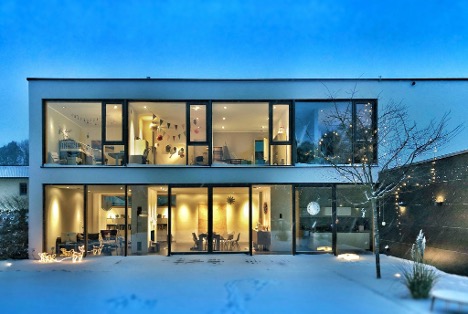
Lighting is one of the most underestimated factors in residential design. Many visually attractive homes still feel cold or uncomfortable because lighting was treated as an afterthought instead of a core design element.
Natural light often determines how welcoming a space feels throughout the day. Rooms with balanced daylight exposure usually appear larger, calmer, and more inviting without relying heavily on decoration. At night, layered lighting becomes equally important. Homes that combine ambient, task, and accent lighting tend to feel more flexible and emotionally comfortable.
The psychological effects of lighting are well documented. The Harvard Medical School has discussed how lighting exposure influences sleep patterns, mood, and overall well-being. This explains why thoughtfully designed homes often feel noticeably more relaxing even when visitors cannot immediately identify the reason.
Personalization Creates Emotional Connection
Beautiful homes often follow current trends, but memorable homes usually reflect the personalities and routines of the people living inside them. A property begins to feel emotionally valuable when it supports everyday rituals naturally.
This may involve a breakfast area positioned to catch early sunlight, a reading space separated from noisy rooms, or an outdoor area designed specifically for family gatherings. These details may seem small individually, but together they shape how emotionally connected people feel to the home itself.
Personalization also helps properties age more gracefully. Trend-focused interiors sometimes lose appeal quickly because they reflect a moment rather than a lifestyle. Homes built around genuine habits and preferences tend to remain satisfying much longer because they continue supporting the people who live there instead of chasing visual relevance.
Quiet Details Often Define Luxury
Many homeowners assume luxury comes from visible extravagance, but the most sophisticated homes often emphasize subtle quality instead. Quiet insulation, balanced proportions, soft-close cabinetry, durable materials, hidden storage, and consistent climate control may not immediately stand out, yet they dramatically influence how a property feels over time.
These details create what many people describe as an “effortless” home experience. Nothing feels difficult, distracting, or poorly considered. The property simply functions smoothly in the background while supporting everyday life comfortably.
This approach also changes how guests experience the home. Instead of reacting only to visual design, visitors often notice that the property feels calming, organized, and comfortable without understanding exactly why. Those invisible qualities frequently become more memorable than dramatic architectural statements alone.
The Homes People Love Most Usually Adapt Over Time
One reason some homes remain deeply satisfying for decades is adaptability. Families change, routines evolve, children grow older, and work patterns shift. Homes that can evolve alongside those changes tend to create much stronger long-term attachment.
Flexible layouts, multi-purpose rooms, energy-efficient systems, and timeless materials help homes remain functional without constant renovation. Instead of feeling outdated quickly, adaptable homes continue supporting changing lifestyles naturally.
This long-term usability often separates truly exceptional homes from properties designed mainly for immediate visual impact. A beautiful home may impress someone for a moment, but a home people never want to leave usually succeeds because it continues making life easier, calmer, and more enjoyable year after year.