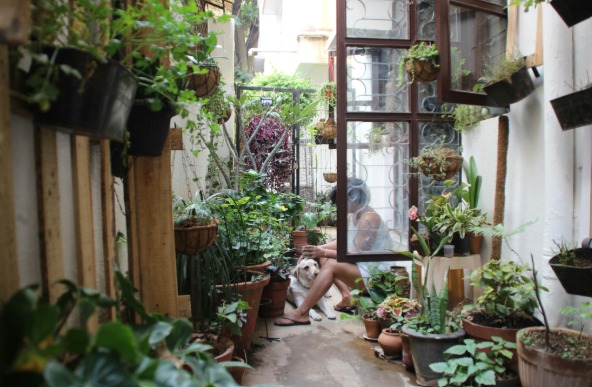
A well-designed garden does not happen by accumulation. The most celebrated private grounds share a quality no budget alone can manufacture: intentionality. Every specimen, every sightline, every textural contrast has been considered against the architecture it serves. That shift from outdoor space to composed landscape is where luxury garden design begins, and where cultivar selection becomes as consequential as any structural decision. For adult growers in jurisdictions where it is permitted, the same principle applies across the full spectrum of premium plants: roses bred for disease-resistant foliage, ornamental grasses selected for compact habit, and best hybrid cannabis seeds chosen for canopy structure and flowering character rather than generic availability. (Cannabis cultivation is regulated and varies by jurisdiction; always confirm local law before growing.)
From Amenity to Statement
There was a time when a manicured lawn and clipped hedges were enough to signal a serious property. Today the expectation has moved. Buyers and architects alike treat the garden as a designed room, with its own mood, material palette, and program. Private, enclosed garden spaces (where walls, levels, and layered planting create a genuine sense of withdrawal from the surrounding world) have become one of the defining features of premium residential design. That shift was visible at the RHS Chelsea Flower Show 2024, where designers moved consistently away from formal symmetry toward immersive, sanctuary-like gardens: spaces that feel inhabited rather than displayed. When a garden functions as a destination within the property rather than a perimeter around it, its contribution to daily life and to the property’s overall appeal becomes something buyers register immediately. Those following how what buyers expect from luxury outdoor spaces has evolved will recognize the pattern: privacy, atmosphere, and considered planting now carry as much weight as square footage.
The Discipline of Curated Home Landscaping
Curated home landscaping, as a rigorous architect-led practice rather than seasonal maintenance, is at its core an editing discipline. A landscape architect working at the top of the market does not select plants for their availability; they select them for how a specific cultivar will behave at a specific scale and light condition across every season. The difference between a striking garden and a merely pleasant one is almost always this level of precision.
Material palette discipline works alongside it. Stone, gravel, structural planting, and water must speak the same language as the house; gardens that sit uncomfortably against their architecture are typically the result of these elements being resolved in separate conversations. Scale calibration is where projects most often go wrong: a specimen tree that reads beautifully in a two-hectare estate can overwhelm a courtyard garden, while a dense planting scheme suited to one climate can look ragged or exhausted in another. Mature gardens at the highest level of design tend to contain fewer species than amateur landscapes, not more.
Selecting for Performance and Distinction
Premium plant selection (specifying cultivars for performance, form, and longevity) requires understanding the genetic characteristics that determine how a plant will behave over time: its vigor, disease resistance, seasonal reliability, and capacity to age within a designed composition. Hybrid cultivars have become central to this conversation precisely because selective crossbreeding can produce plants with traits neither parent line carries alone: more consistent flowering periods, stronger structural form, better tolerance of the enclosed microclimates common in private walled gardens.
A 2024 peer-reviewed study in Plants (MDPI) confirmed that hybrid development through crossbreeding, the phenomenon known as heterosis, remains one of the most productive areas of horticultural research, particularly for ornamentals where consistency and visual performance under controlled conditions matter most. The investment in carefully bred varieties returns in reduced attrition, seasonal reliability, and the quiet coherence that distinguishes a designed garden from one that was merely planted.
Maintenance as Design Logic
A garden that requires constant intervention to hold its form has not been designed; it has been deferred. The best private gardens are planned against their own maintenance load: species chosen for appropriate vigor, structural elements scaled to age gracefully, irrigation integrated into the hardscaping rather than retrofitted around it. A landscape planned this way is one the owners actually live in, not one they manage from across the terrace. This is the practical argument for treating cultivar selection and low-voltage landscape lighting design as decisions that belong to the same early stage of specification. The planting structure, the lighting plan, and the material palette all interact, and changes to one after the others are fixed are expensive. Landscape architects who understand plant genetics alongside spatial design resolve these interdependencies before they become conflicts.
A curated garden is a living argument for long-term thinking; the work is never finished, only deepened.