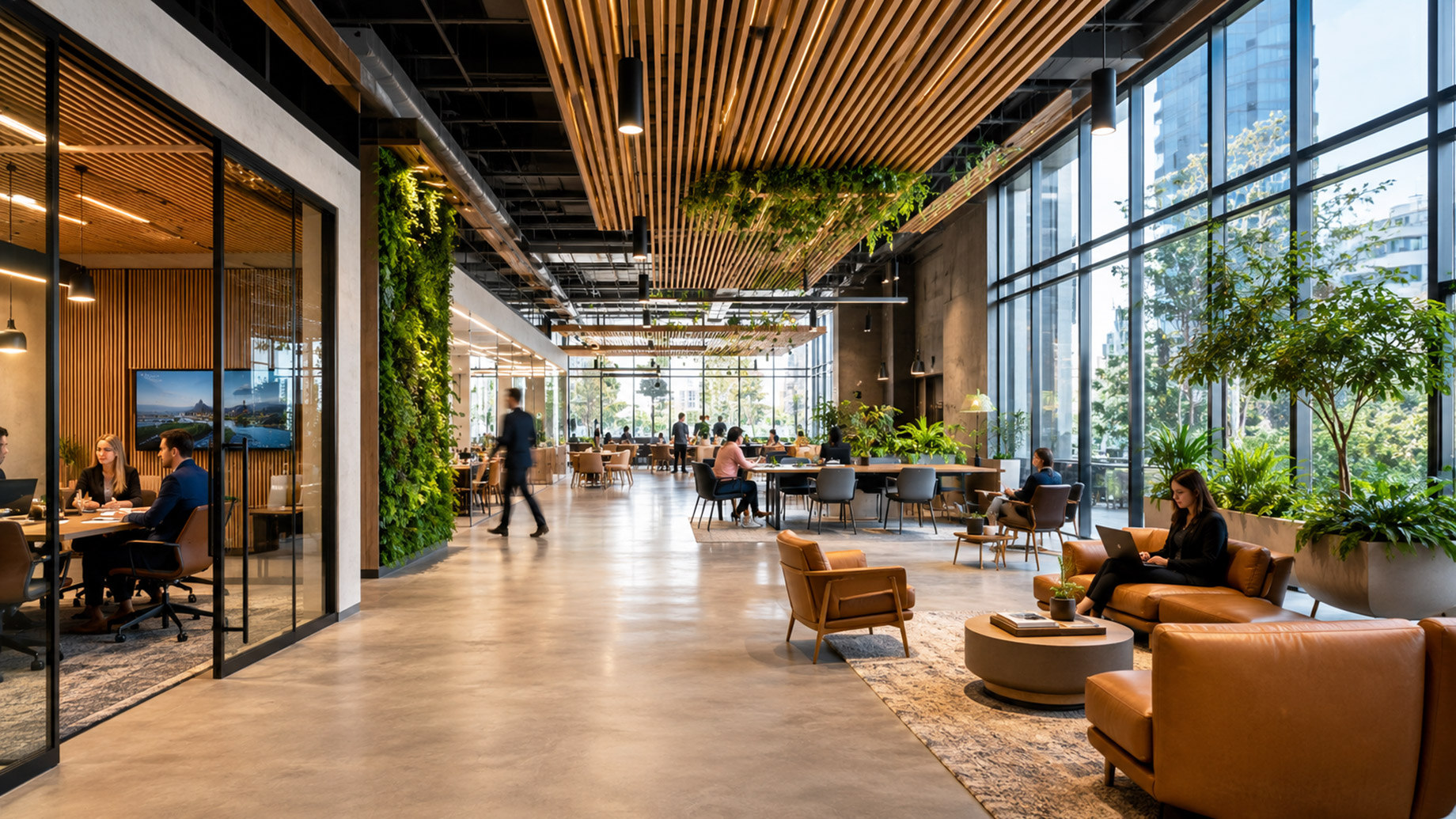
Commercial real estate design has changed a lot over the years. Older buildings focused more on structure than comfort or flexibility. Today, businesses want spaces that support people, technology, and productivity. This shift has changed how buildings are planned and built.
Modern design now focuses on how people use space every day. Offices, shops, and mixed-use buildings all need better flow and comfort. Designers now think about both function and experience. Continue reading to discover everything you need to know.
From Traditional to Flexible Layouts
In the past, commercial spaces had fixed layouts. Walls divided offices and limited movement. This made it hard to change spaces when businesses grew or shifted. It also reduced teamwork and communication.
Today, flexible layouts are more common. Open spaces allow easy movement and better interaction. Rooms can be changed or adjusted as needed. This flexibility helps businesses adapt faster to change.
Focus on Human-Centered Design
Modern commercial design now focuses on people. Comfort, lighting, and air quality are very important. Spaces are designed to reduce stress and improve focus. This helps workers feel better during long hours.
Natural light is also a key part of design. Large windows and open areas bring in more sunlight. This improves mood and energy levels. Human-centered design supports both health and productivity.
Integration of Smart Technology
Technology plays a big role in modern buildings. Smart systems control lighting, temperature, and security. These systems help save energy and improve comfort. Businesses now expect buildings to support digital tools.
Wi-Fi systems, charging stations, and smart meeting rooms are now common. These features help improve daily operations. Technology also makes buildings easier to manage. Smart design supports modern business needs.
Sustainability in Modern Design
Sustainability is now a major part of commercial real estate. Many buildings use energy-saving systems and eco-friendly materials. This helps reduce waste and lower energy costs. Green design also supports environmental goals.
Recycled materials and efficient lighting systems are widely used. Water-saving systems are also becoming more common. Sustainable design helps create long-term value. Construction management experts in Oregon help guide modern commercial projects by ensuring smart planning, efficient building processes, and updated design standards that match today’s evolving real estate needs.
Importance of Aesthetic Design
Appearance is now a big part of commercial design. Buildings must look modern and attractive. A good design helps create a strong first impression. It also reflects the brand of the business inside.
Adapting to Remote and Hybrid Work
Work styles have changed in recent years. Many companies now use remote or hybrid work models. This affects how office spaces are designed. Offices now need to support both in-person and remote work.
Safety and Accessibility Standards
Modern commercial buildings must follow safety rules. Fire systems, emergency exits, and safe layouts are very important. Accessibility for all people is also a key focus. This includes ramps, elevators, and clear pathways.
Data-Driven Design Decisions
Modern design often uses data and research. Architects study how people move and use space. This helps improve layout and efficiency. Data helps create better design choices.
The Future of Commercial Real Estate Design
Commercial real estate design has moved far from traditional layouts. Today’s spaces focus on people, technology, and sustainability. Flexible designs help businesses grow and adapt. Modern buildings also improve comfort and efficiency.
With ongoing changes in work and lifestyle, design will continue to evolve. Strong planning and smart ideas will shape the future. Modern insights help create better spaces for work and life.
Visit: Oblongfaceshape