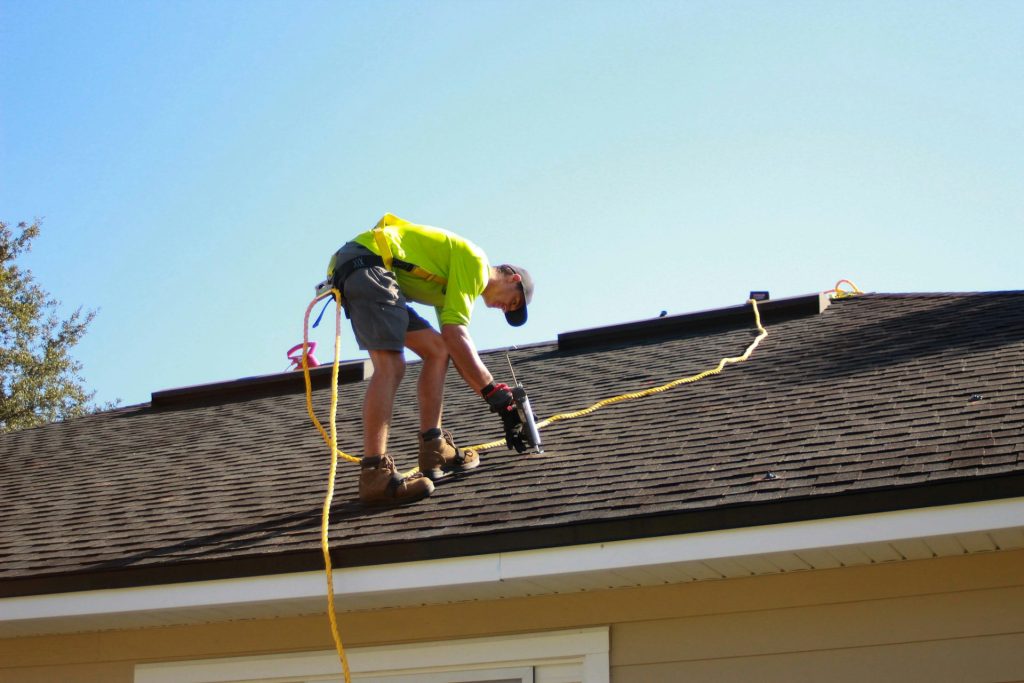
Severe storms create significant pressure on residential structures across the nation. High winds and heavy hail can compromise structural stability within a few brief minutes.
Roofing materials face intense stress during these violent weather conditions. Homeowners must understand how atmospheric forces degrade protective layers to protect their investment.
Understanding The Physics Of High Winds
Wind does not blow uniformly across a roof surface during a storm. Gusts create pressure differentials that lift shingles at outer edges and corners. Upward suction forces peel away unsecured materials, exposing underlying decking to harsh weather.
Lifting forces strain nails and adhesive seals holding roofing layers together. Repeated wind gusts cause material fatigue that weakens fasteners throughout the entire installation. Small gaps allow high-velocity air streams to penetrate beneath shingles, increasing uplift force exponentially.
Unsecured perimeter edges experience the highest level of uplift force during windstorms. Proper installation techniques reduce these risks by securing critical perimeter zones effectively. Property owners need to recognize early lifting signs before severe structural failure happens.
How Severe Hail Causes Unseen Structural Damage
Hailstones strike surfaces with substantial force depending on their size and velocity. Impact energy shatters the protective mineral granules coating asphalt shingles. Loss of granule protection exposes raw asphalt underneath to destructive solar rays.
Strong storms hit neighborhoods hard every year, leaving behind subtle destruction that homeowners often miss. Scheduling prompt post-storm roof inspections helps identify hidden leaks before water seeps into your living space. Ignoring minor hail dents allows moisture to breach the protective underlayment as seasons pass. Prompt action saves thousands of dollars in structural repairs.
Fractures inside shingle mats are frequently invisible from ground-level views. Cracks allow water to migrate slowly toward interior ceilings without immediate signs. Detailed evaluations guarantee all subtle impact points receive proper repair.
Identifying Common Signs Of Storm Damage On Shingles
Visual evidence of storm damage varies based on roofing material and age. Missing shingles or raised edges indicate strong wind uplift took place during a tempest. Hail impacts usually leave distinct circular bruises or missing granule patches across the roof surface.
Common indicators of storm damage include:
- Dislodged or missing shingle tabs
- Dented metal flashing around chimneys and vents
- Granule accumulation inside gutters and downspouts
Granules wash down into gutter channels after heavy hail strikes asphalt surfaces. Clean gutters filled with excessive sand-like material signal accelerated shingle deterioration. Early recognition prevents further decay of exposed asphalt membranes.
The Hidden Dangers Of Water Intrusion
Water finding a path past damaged shingles quickly compromises building integrity. Moisture saturates wooden roof sheathing, promoting fungal growth and rot inside attic spaces. Weakened decking structural capacity creates serious safety hazards for occupants below.
Attic insulation absorbs leaking water, drastically reducing thermal insulation efficiency. Saturated insulation traps moisture against wooden rafters, causing hidden decay month after month. Ceiling drywall softens and sags as water pools above living areas.
Rusted fasteners and rotted trusses weaken the primary roof structure severely. Unchecked moisture leads to costly mold remediation efforts inside living spaces. Mold spores spread rapidly through HVAC ductwork, contaminating indoor air quality.
Metal Roofing Components Under Direct Impact
Metal flashing, gutters, and ridge vents take the brunt of hail impact. Heavy ice spheres leave deep dents that disrupt proper water drainage pathways. Damaged metal components allow water to pool and back up under shingle edges.
Engineering research on flat steel sheets established that dent depth relies directly on a projectile’s kinetic energy, velocity, mass, diameter, along with the steel thickness and yield stress. Hailstones striking metal panels cause permanent deformation when impact forces exceed yield strength. Distorted metal seams lose weather-tight seals, exposing underlying structures to leaks.
Severe impact can break protective coatings applied to architectural metal features. Exposed metal oxidizes rapidly, leading to premature rust and component failure. Timely replacement of bent flashing preserves system defense capabilities.
Long-Term Effects Of Cumulative Weathering
Roofing systems endure continuous environmental strain throughout their operating lifespan. Ultraviolet radiation combined with temperature shifts weakens shingle flexibility as months pass. Storm impacts accelerate natural aging processes by compromising surface integrity prematurely.
A study on laboratory degradation characteristics showed that asphalt shingles endure severe weather cycles like extreme heat, thermal shock, ultraviolet radiation, freeze-thaw cycles, wind uplift forces, and hail impacts throughout their lifespan. Thermal cycling expands and contracts micro-cracks created by hail impacts. Moisture freezing inside small fractures expands, tearing asphalt membranes apart from within.
Compounded environmental damage drastically shortens expected roofing lifespan ratings. Homeowners facing multiple severe seasons must monitor material degradation closely. Regular inspections help identify severe aging before catastrophic roof failures occur.
Key Indicators That Require Professional Attention
Certain damage signs mandate immediate evaluation from qualified roofing technicians. Large dent patterns on vents or torn shingles require prompt professional assessment. Roof valleys showing granule loss threaten the main water drainage system.
Critical warning signs demanding immediate professional review include:
- Curling or buckled shingle edges across main roof slopes
- Water stains on interior ceilings or attic rafters
- Loose or missing flashing around vent pipes and chimneys
Professional inspectors possess specialized tools to detect sub-surface structural fractures. Experienced technicians locate hidden leaks that remain invisible to untrained eyes. Quick professional interventions prevent minor damage from expanding into full replacement needs.
How Insurance Claims Address Storm Destruction
Insurance policies often cover sudden wind and hail damage restoration costs. Claims adjusters inspect roofs to verify whether damage stems from storm events or normal wear. Detailed documentation of storm destruction speeds up insurance claim approval processes.
Photographs taken right after storm events serve as strong evidence for claim filings. Detailed records showing previous roof condition assist in proving recent storm origin. Professional contractor inspection reports strengthen homeowner positions during insurance negotiations.
Filing claims within required timeframes secures necessary policy coverage benefits. Policyholders must review policy terms regarding wind and hail deductible thresholds. Working with experienced contractors guarantees all storm impacts receive proper claim compensation.
Proactive Maintenance Strategies For Homeowners
Preventive care minimizes severe wind and hail damage potential significantly. Trimming overhanging tree branches prevents heavy limbs from crashing onto roof slopes. Keeping gutters clear guarantees storm water flows away from roof edges efficiently.
Inspecting attic spaces after severe weather reveals early leak indicators early. Checking sealants around roof penetrations prevents water from creeping into exposed joints. Replacing loose shingles immediately maintains continuous storm protection barriers.
Scheduling regular professional maintenance extends total roof operational lifespan. Professional seal checks verify wind uplift resistance remains high during severe weather. Proactive upkeep protects home investments against unpredictable storm forces.

Storms present ongoing challenges to residential roof structural durability. Understanding wind and hail impacts helps homeowners protect their property investments effectively.
Regular inspections and prompt repairs prevent minor storm damage from causing major structural failures. Maintaining roof integrity provides long-term safety and comfort for your household.