Fine furniture requires specialized attention when it stays out of daily use for long periods. Antiques, designer pieces, and hand-crafted wooden items react quickly to environmental changes. Consistent indoor settings stop fine joinery from pulling apart after long periods. Solid timber items retain their original fit and form when ambient shifts remain minimal. In standard rooms. Even small shifts in temperature or moisture can affect delicate joints, finishes, and fabrics over time.
Placing these pieces in dedicated facilities shields them from common threats like dampness, dust, pests, accidental impact, or shifting weather. Proper care helps family heirlooms remain in prime condition for decades.
Shielding Wooden Pieces From Climate Shifts
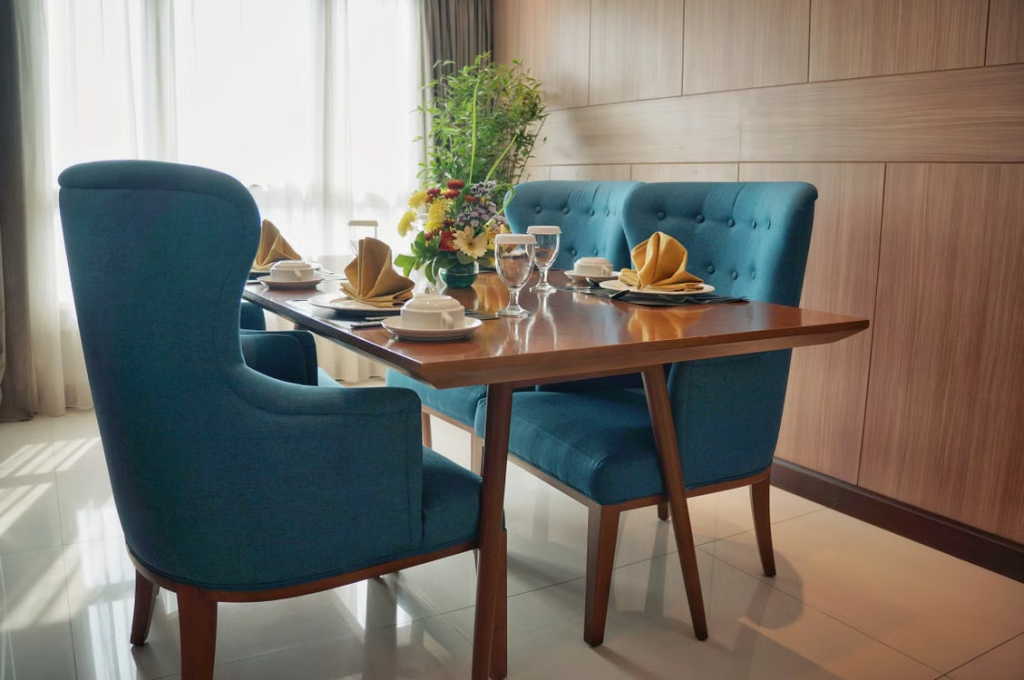
Wood naturally expands and contracts with shifting indoor conditions throughout the year. Uncontrolled spaces subject delicate tables and chairs to rapid seasonal temperature fluctuations.
Homeowners often turn to offsite options during major home renovations or moving phases. Choosing options such as self storage in Lower Hutt allows homeowners to protect high-value furnishings during home upgrades. These modern facilities keep items safely away from damp garages or uninsulated attics.
Consistent indoor settings stop fine joinery from pulling apart after long periods. Solid timber items retain their original fit and form when ambient shifts remain minimal.
Preventing Long-Term Structural Damage
Extended storage presents distinct challenges for wooden construction and delicate joinery. When items sit in an untamed space for months, subtle structural stresses turn into permanent flaws.
One industry guide highlights how extended stays demand careful environmental control to protect materials. As storage periods go beyond the three-month mark, the protection of climate control helps prevent warping, cracking, and mold growth.
Investing in balanced interior conditions keeps structural joints tight and secure. Fine craftsmanship stays completely intact across extended storage cycles without losing value.
Controlling Humidity To Safeguard Antiques
Antique pieces carry unique vulnerabilities linked to age and traditional construction methods. Older adhesives and seasoned timber demand steady moisture levels to avoid splitting apart.
A recent preservation report emphasized the impact of atmospheric stability on delicate items. Temperature and humidity control are important for antique furniture, as extreme temperatures and humidity levels can cause warping, cracking, and other structural damage to the wood.
Keeping humidity near 50 percent protects delicate wood veneers from peeling. Stretches of dry air or sudden damp spells lose their destructive power inside regulated spaces. Stable conditions help preserve the craftsmanship and value of antique pieces.
Guarding Against Environmental Dust And Moisture
Airborne particles and liquid intrusion can destroy fine furniture finishes through years of exposure. Unsealed units allow grit to settle inside carved details, hardware, upholstery, and decorative grooves. Dust may become abrasive when wiped across a polished surface.
A storage industry study pointed out how purpose-built spaces block everyday atmospheric hazards. Heat, rain, moisture, and dust can damage furniture, electronics, paperwork, and vehicles. Secure storage units are built to shield belongings from these conditions.
Clean spaces eliminate the need for harsh surface scrubbing later. Fine wood finishes stay clear and free of abrasive buildup during long stays. This protection also limits moisture stains caused by leaking walls, windows, or concrete floors.
Proper Preparation Before Storing Fine Goods
Getting items ready for storage requires deliberate steps before packing them away. Cleaning surfaces and applying a suitable protective wax shields finished wood from grime. Every piece should be completely dry before entering storage, since trapped moisture encourages mildew.
- Disassemble large tables carefully to relieve weight on leg joints.
- Use breathable cotton covers rather than tight plastic wrapping.
- Elevate wooden bases off concrete floors using solid pallets.
- Label detached hardware and keep it beside the matching item.
- Avoid placing sharp objects against upholstery or polished wood.
These preparation steps prevent pressure spots, scratches, and moisture marks. Organized packing makes retrieval easier while reducing accidental damage during transport.
Protecting Fine Finishes And Fabrics
Direct sunlight and trapped moisture can ruin upholstery, varnish, and natural leather. Strong sun rays bleach rich wood stains and weaken textile fibers. Leather may dry, fade, or crack near bright windows or heating equipment.
Windowless storage units eliminate sun bleaching over long periods. Fabrics retain their original dyes without continuous harsh light exposure. Breathable covers add another barrier against dust while allowing air to circulate.
Proper circulation prevents musty odors from settling into soft cushions. Sofas and padded chairs remain fresher throughout storage. Removing loose cushions and keeping them upright can further reduce compression and permanent creasing.
Security Features That Defend Valuable Assets
Physical protection goes beyond climate settings when preserving high-value items. Gated access, strong lighting, and digital monitoring deter unauthorized entry around the clock. These systems can also create a record of activity throughout the facility.
Individually locked units give owners controlled access to stored heirlooms. Surveillance cameras continuously monitor hallways and shared access points. Some facilities also use coded entry systems, alarms, or staff patrols for additional protection.
Sturdy perimeter fencing adds another layer of defense against unexpected loss. These combined measures provide greater peace of mind throughout the storage period. Owners should still review insurance coverage and maintain an updated inventory, especially for rare or expensive pieces. An inventory also helps owners plan placement and confirm every item remains accounted for during storage.ž
Scheduling Periodic Furniture Checks
Even well-protected furniture benefits from occasional inspections during extended storage. Owners should check for unusual odors, surface moisture, pest activity, loose coverings, or changes in the condition of wood and fabric.
Repositioning covers and inspecting vulnerable joints can reveal minor problems before they become permanent. Periodic visits also provide an opportunity to confirm that climate controls, locks, and security systems continue working properly.
Keeping a simple inspection schedule supports long-term preservation. Early attention to small concerns helps valuable furniture remain clean, stable, and ready for future use.
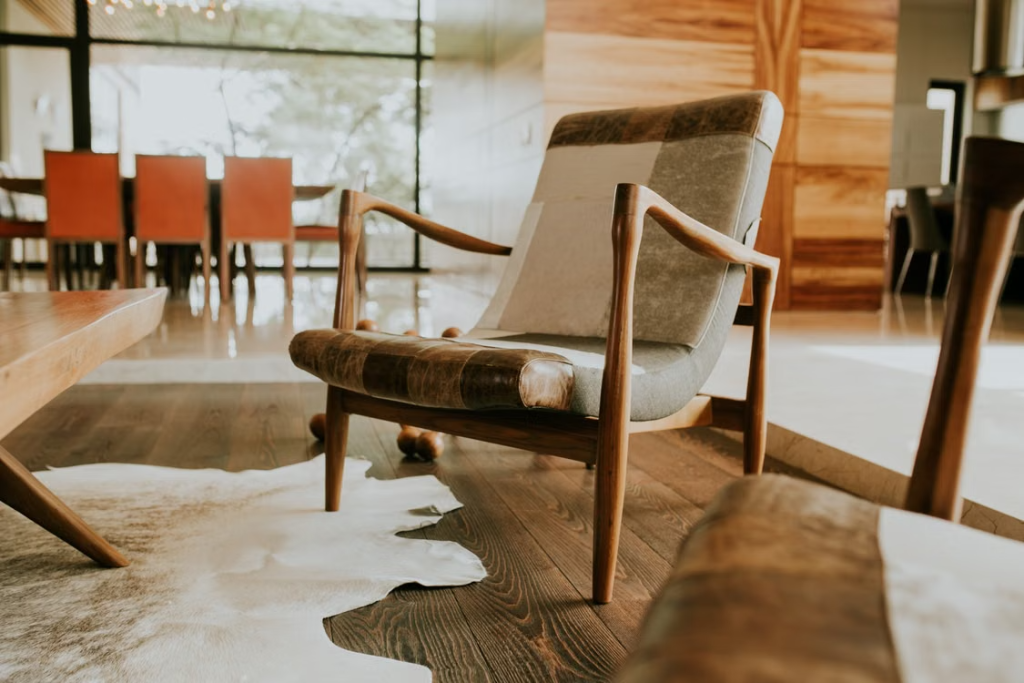
Choosing the right protective space keeps prized furniture safe from environmental damage and theft. Regular maintenance paired with secure storage extends the life of fine antiques and modern designer pieces.
Taking simple precautions today shields family treasures for future generations to enjoy. Dedicated storage options deliver reliable preservation whenever extra home space is required.