Pelvic mesh claims are valued through the medical story recorded over months or years for women in St. Louis, Missouri, and across the country. Over 100,000 transvaginal mesh lawsuits have been filed against manufacturers of implants used to treat pelvic organ prolapse (POP) and stress urinary incontinence (SUI), with an estimated $8 billion paid in settlements and verdicts to date. Reported complications have included mesh erosion, chronic pelvic pain, infection, organ perforation, bleeding, painful intercourse, and the need for revision or removal surgery. While about 95% of cases have been resolved and the major federal MDLs have closed, new claims continue in state courts as women discover late-appearing injuries. The FDA ordered all remaining transvaginal prolapse mesh products off the U.S. market in April 2019.
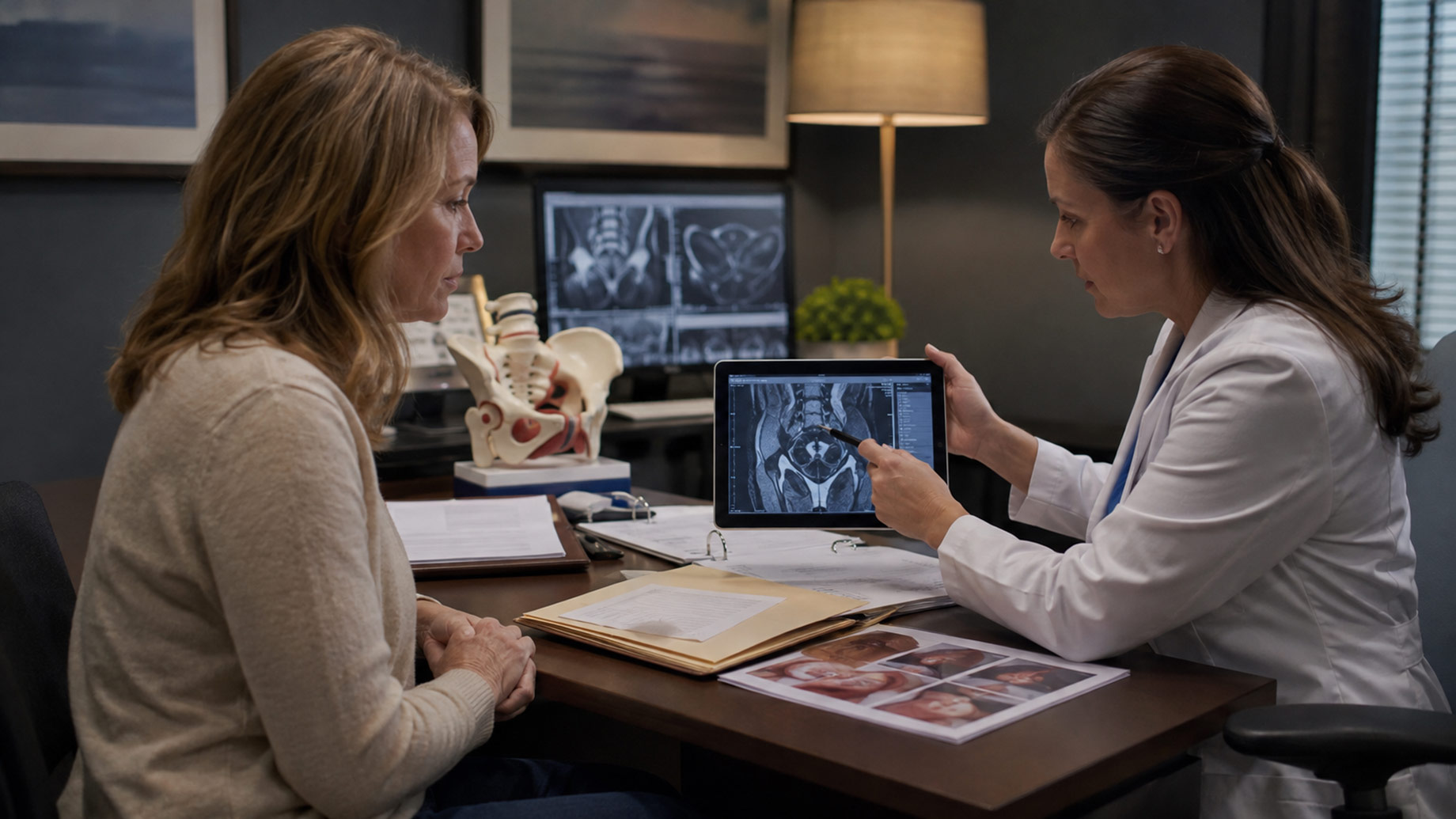
Surgical reports, clinic notes, imaging, pathology results, and specialist opinions each add weight. The main question is usually causation, meaning whether the implant likely caused lasting physical harm. In many claims, a vaginal mesh settlement review sits between product failure and lived harm, so the chart should connect operative findings with walking limits, intimacy concerns, bladder symptoms, and job restrictions. Detailed documentation can make that connection clearer, while thin records leave room for disagreement, even when pain, anxiety, and daily disruption are genuine.
Device Identification
A claim is easier to evaluate when the mesh product is confirmed. Operative reports, implant labels, hospital inventory logs, and surgeon notes may identify the maker and model. That detail matters because certain products have histories of erosion, contraction, or difficult removal. If product identity remains uncertain, value may narrow. Reliable device proof links injury to known safety data.
Injury Severity
Documented injury depth often shapes valuation. Mesh erosion, organ perforation, infection, nerve irritation, chronic pelvic pain, painful intercourse, and urinary dysfunction may carry different weight. Objective findings support what the patient describes. A pelvic exam, cystoscopy, imaging study, or operative observation can show tissue damage. Careful records turn discomfort into medically traceable harm.
Revision Surgery
Corrective surgery often signals significant failure. Removal can be difficult when mesh fibers grow into the vaginal wall, bladder, or nearby tissue. Multiple procedures may suggest broader injury and greater future risk. Still, surgery does not set value alone. Notes should explain why removal was needed, what surgeons found, and how symptoms changed afterward.
Pain Documentation
Pain affects settlement value when records describe it precisely. Location, duration, intensity, triggers, and response to medication or therapy all matter. Repeated reports over months or years usually carry more weight than one urgent visit. A diary may support memory, but clinical notes remain central. Reviewers look for patterns that match functional limits.
Future Care
Future treatment can increase claimed losses. Care may include additional surgery, pelvic floor therapy, medication, nerve blocks, infection treatment, or specialist follow-up. Expert opinions are strongest when they explain why treatment is likely and what it may cost. Broad predictions add little. A practical plan tied to current findings gives future expenses a medical basis.
Causation Proof
Causation connects the implant to the injury. Defense reviewers may point to childbirth, aging tissue, prior pelvic surgery, menopause, or unrelated disease. Strong proof addresses those explanations directly. Treating physicians and independent experts can compare symptoms before and after implantation. Timelines, examination findings, and excluded causes help show why mesh failure is the likely source.
Timing Matters
Dates can influence value. Symptoms soon after implantation may support causation, while long gaps can raise questions. Under Cornell Law Institute, a statute of limitations sets a deadline for filing a lawsuit, and once that period expires, the claim may be permanently barred regardless of its merits. Delayed diagnosis does not erase a claim because some injuries develop slowly. Scar tissue, contraction, and erosion may appear over time. Records should explain missed signs, referrals, and later findings. A clear chronology helps reviewers follow the injury course.
Economic Losses
Medical proof also supports financial damages. Bills, insurance statements, work notes, and disability forms help measure loss. Physician restrictions matter when pain, surgery, or infection limits lifting, sitting, standing, or travel. Without clinical support, wage claims may look uncertain. When health limits match employment records, the economic portion becomes easier to evaluate.
Expert Review
Experts translate medical records into settlement value. A urogynecologist, pelvic surgeon, pain physician, or life care planner may explain injury severity, treatment needs, and long-term effects. Their opinions carry more force when grounded in examinations, test results, and operative findings. Unsupported conclusions can weaken a claim. Clear analysis helps both sides price risk accurately.
Credibility Signals
Consistency matters. Records that align with patient reports, prescriptions, procedure dates, and specialist findings tend to support credibility. Contradictions can reduce value, especially when symptom changes lack medical explanation. Missed appointments may also be questioned. Fair review should consider barriers to care, yet organized proof still helps. A coherent file gives settlement discussions firmer footing.
Prior Outcomes
Past verdicts and settlements may guide expectations, but they rarely decide value. Medical facts explain why two similar claims can produce different numbers. Severe tissue injury, repeated procedures, permanent pain, and strong causation can raise value. Mild symptoms, unclear device records, or limited treatment may reduce it. Comparisons work best when injuries truly match.
Conclusion
Pelvic mesh settlement values reflect the strength of medical proof behind injury, causation, treatment, future care, and daily limits. A diagnosis alone rarely tells the full story. Detailed records help show how the implant affected tissue, function, work, and quality of life. Weak documentation leaves openings for challenge. Careful review gives settlement talks a stronger foundation and helps valuation reflect real harm.
