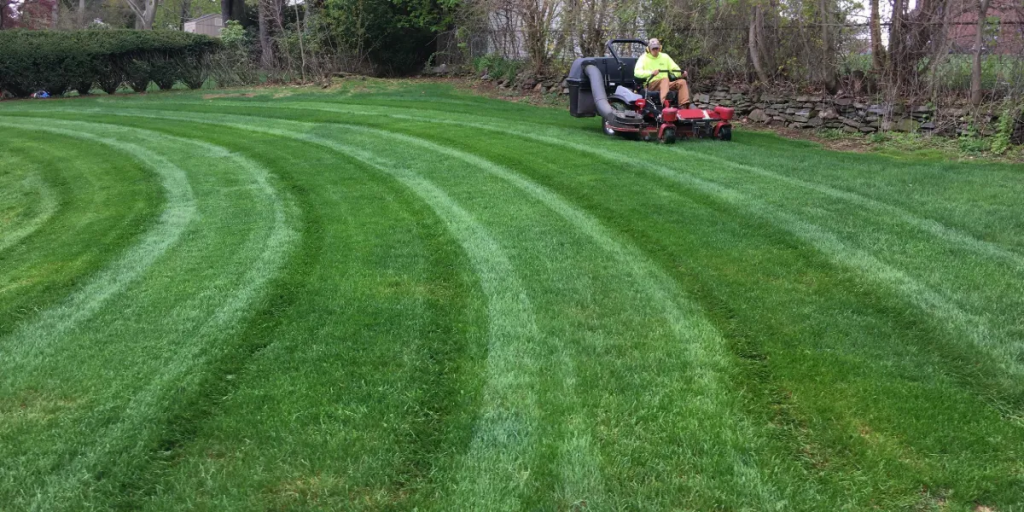
A healthy lawn does not happen by accident. Weather, soil conditions, pests, and routine wear can slowly weaken grass and create issues that are difficult for homeowners to correct on their own.
Many lawn problems start small and become expensive when ignored. Understanding what causes them and how professionals address them can help protect the appearance and health of your property.
Why Professional Lawn Care Makes a Difference
A lawn is a living system. Grass health depends on proper mowing, watering, soil conditions, and seasonal maintenance. Working with a landscaping company in Broward County helps identify problems before they spread across an entire property.
- Early Problem Detection: Small issues are often spotted before they become major repairs.
- Proper Mowing Practices: Correct cutting heights support stronger root development.
- Healthier Soil Conditions: Soil testing and treatment improve growing conditions.
- Targeted Treatments: Problems are addressed based on the actual cause rather than guesswork.
- Seasonal Expertise: Different times of year require different lawn care strategies.
- Long Term Protection: Consistent maintenance reduces future damage and costs.
Common Lawn Problems Professionals Address
Many lawn issues look similar on the surface. Brown grass, thinning areas, and patchy growth can have completely different causes. Professional diagnosis helps ensure the right solution is applied.
1. Weed Infestations
Weeds compete with healthy grass for water, nutrients, and sunlight. Left untreated, they can quickly spread across large portions of a lawn and weaken surrounding turf.
Professionals identify the specific weed species and apply targeted treatments that minimize damage to desirable grass while helping prevent future outbreaks.
2. Bare and Thin Grass Areas
Thin patches often develop because of heavy foot traffic, poor soil quality, drought stress, or improper mowing habits. These areas rarely recover without intervention.
A lawn care professional evaluates the underlying cause and recommends restoration methods such as overseeding, aeration, or soil improvement to encourage stronger growth.
3. Soil Compaction
Compacted soil prevents water, oxygen, and nutrients from reaching the root zone. Even healthy grass struggles to thrive when roots cannot expand properly.
Professional aeration helps relieve soil pressure and creates pathways that allow roots to grow deeper and access essential resources more effectively.
4. Lawn Diseases
Fungal diseases can appear as brown spots, discolored rings, or widespread thinning. Excess moisture and poor airflow often contribute to these conditions.
Professionals recognize disease patterns and implement corrective treatments that address both the symptoms and the environmental factors causing the problem.
5. Pest Damage
Insects such as chinch bugs, sod webworms, and grubs can damage lawns from above and below the soil surface. Their activity often goes unnoticed until visible damage appears.
Experienced lawn care teams identify infestations early and use integrated control methods designed to reduce pest populations while protecting lawn health.
6. Poor Drainage
Standing water creates an unhealthy environment for grass roots and encourages disease development. It can also lead to soil erosion over time.
Professionals assess grading issues and recommend drainage solutions that improve water movement and reduce long term stress on the lawn.
7. Uneven Growth Patterns
Some sections of a lawn may grow faster or healthier than others. Shade, irrigation problems, and nutrient imbalances commonly contribute to uneven appearance.
A detailed inspection helps identify the source of the issue and supports balanced growth across the entire property.
Additional Benefits of Professional Lawn Care Services
Solving visible problems is only part of the value. Consistent lawn care also improves long term performance, appearance, and resilience against future challenges.
| Lawn Issue | Common Cause | Professional Solution |
| Weed Growth | Nutrient competition | Targeted weed control |
| Thin Grass | Poor soil or traffic | Overseeding and aeration |
| Brown Spots | Disease or drought | Diagnosis and treatment |
| Standing Water | Drainage issues | Grading improvements |
| Pest Damage | Insect activity | Pest management programs |
| Compacted Soil | Heavy use | Core aeration |
Improved Root Development
Strong roots help grass withstand heat, drought, and daily wear. Healthy root systems create the foundation for long lasting turf performance.
Professional maintenance encourages deeper rooting through proper mowing, fertilization, and soil management practices tailored to local conditions.
Better Water Efficiency
Overwatering and underwatering can both damage a lawn. Many homeowners unknowingly apply more water than necessary throughout the year.
Professionals evaluate irrigation performance and recommend efficient watering practices that support healthier grass while reducing waste.
Seasonal Lawn Preparation
Different seasons place different demands on turf. Understanding why grass dies in Florida summer can help homeowners take preventive measures before periods of stress. Professional programs use seasonal planning to prepare grass for summer heat, heavy rainfall, and changing environmental conditions.
Consistent Appearance
A lawn that receives regular care maintains a cleaner and more uniform appearance throughout the year. Consistency is difficult to achieve without a structured plan.
Many homeowners rely on specialized lawn care to maintain year round curb appeal despite changing weather conditions.
Reduced Risk of Major Repairs
Minor issues are often easier and less expensive to correct than large scale lawn failures. Early action prevents many costly problems.
Routine inspections support preventive maintenance that helps avoid widespread damage requiring extensive restoration work.
Enhanced Property Value
Landscaping plays an important role in how a property is perceived. A healthy lawn contributes to a well maintained appearance and stronger first impressions.
Regular lawn care supports property presentation that can positively influence visitors, neighbors, and potential buyers.
Healthier Outdoor Environment
A healthy lawn helps reduce soil erosion, supports cooling around the property, and contributes to a cleaner outdoor space for daily activities.
Professional maintenance promotes environmental balance by supporting stronger plant health and reducing avoidable stress factors.
Practical Steps Homeowners Can Take Between Service Visits
Professional care provides the foundation, but homeowners can also support lawn health through simple habits between scheduled visits. Small actions performed consistently often produce noticeable results.
- Monitor Watering: Water deeply rather than frequently to encourage stronger roots.
- Keep Blades Sharp: Sharp mower blades reduce stress and create cleaner cuts.
- Remove Debris Promptly: Leaves and branches can block sunlight and trap moisture.
- Watch for Discoloration: Early color changes often indicate developing issues.
- Limit Heavy Traffic: Repeated foot traffic can compact soil and damage grass.
- Address Weeds Early: Small weed populations are easier to manage than widespread infestations.
- Follow Seasonal Guidance: Adjust maintenance practices according to local weather conditions.
Conclusion
Most lawn problems do not develop overnight. Weed growth, soil compaction, pests, drainage issues, and disease often build gradually before becoming visible. Professional lawn care services help identify the root cause of these problems and apply solutions that support long term lawn health. With consistent maintenance and timely intervention, homeowners can enjoy stronger grass, better curb appeal, and a landscape that remains healthy throughout the year.