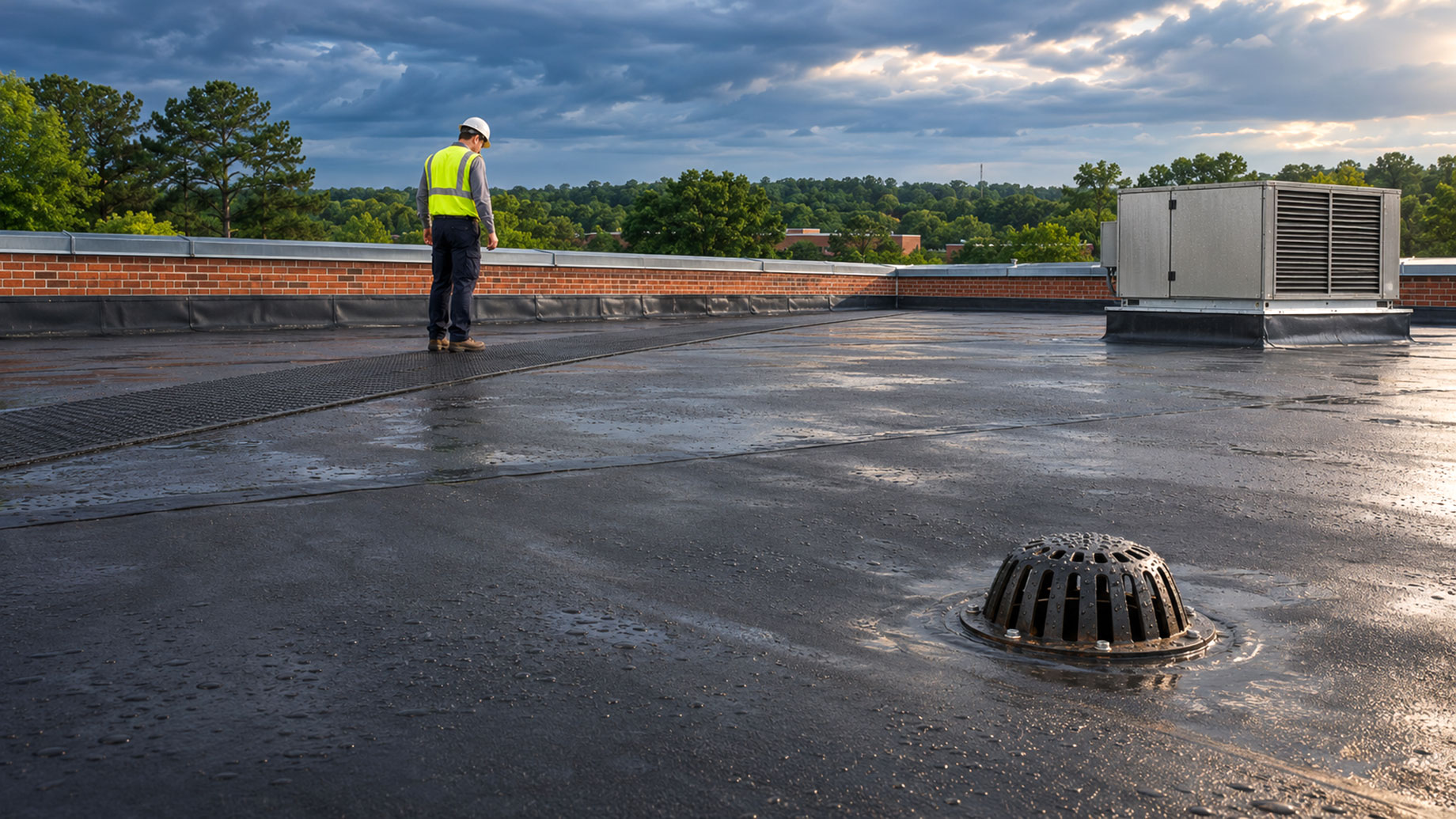
A commercial roof does more than protect a building from rain and sunlight. It safeguards employees, equipment, inventory, and the daily operations that keep a business running. Whether you manage an office building, retail property, warehouse, or industrial facility, maintaining a dependable roofing system is essential for protecting your investment.
In Columbia, South Carolina, commercial roofs face several environmental challenges throughout the year. Hot summers, high humidity, heavy rainfall, thunderstorms, and strong winds can gradually affect roofing materials and increase the risk of leaks and structural damage. Having access to reliable commercial roofing services across Columbia, SC, can help property owners address roofing problems, maintain their buildings, and avoid unexpected repair expenses.
Understanding your roofing options and the importance of preventative maintenance can help you make informed decisions about your commercial property’s long-term protection.
Why Commercial Roofing Requires Professional Attention
Commercial roofing systems are often more complex than residential roofs. They may cover larger surface areas, include specialized drainage systems, and accommodate rooftop equipment such as HVAC units, ventilation systems, and other mechanical components.
Flat and low-slope roofs are particularly common on commercial buildings. Although these systems offer practical advantages, they require proper installation, waterproofing, and regular inspections to prevent moisture-related problems.
Even a small opening in a commercial roofing membrane can allow water to enter the building. Over time, moisture can damage insulation, ceilings, electrical components, and interior finishes.
Professional roofing contractors understand the different materials and installation requirements involved in commercial roofing. Their expertise helps ensure that repairs, installations, and maintenance work address the actual condition of the roofing system.
Common Commercial Roofing Systems for Columbia Businesses
Choosing the right roofing material depends on your building’s structure, budget, energy requirements, and maintenance expectations. Several commercial roofing systems offer different advantages.
1. TPO Roofing
Thermoplastic Polyolefin (TPO) is a popular single-ply roofing membrane used on commercial buildings. It is commonly available in light-colored finishes that reflect sunlight and help reduce heat absorption.
TPO roofing is valued for its flexibility, durability, and heat-welded seams. When properly installed and maintained, it can provide dependable protection against moisture and everyday weather exposure.
For businesses in Columbia, reflective TPO roofing may be worth considering because of the region’s hot summer conditions.
2. EPDM Roofing
Ethylene Propylene Diene Monomer (EPDM) is a synthetic rubber roofing membrane frequently used on flat and low-slope commercial buildings.
Its flexibility allows it to accommodate temperature-related movement, while its weather-resistant properties make it a practical option for many commercial applications.
However, EPDM systems require proper seam installation and regular inspections to identify potential separation, punctures, or deterioration.
3. PVC Roofing
Polyvinyl Chloride (PVC) roofing is another single-ply membrane commonly installed on commercial properties.
PVC membranes are known for their durability, heat-welded seams, and resistance to certain chemicals, oils, and grease. These characteristics make them suitable for buildings such as restaurants, manufacturing facilities, and other commercial environments where chemical exposure may be a concern.
4. Metal Roofing
Metal roofing is a durable option for commercial and industrial properties. It offers strong resistance to many weather conditions and can provide a long service life when properly installed and maintained.
However, fasteners, flashing, protective coatings, and panel connections require periodic inspections to prevent corrosion and water infiltration.
5. Modified Bitumen Roofing
Modified bitumen is an asphalt-based roofing system commonly used on flat and low-slope commercial buildings.
Its layered construction provides additional protection against moisture and everyday environmental exposure. Depending on the installation method and product, modified bitumen systems can offer flexibility and durability for different commercial applications.
Commercial Roofing Services That Help Protect Your Property
Commercial buildings require different roofing solutions depending on their age, design, and existing roof condition. Professional roofing services help property owners maintain their systems and address problems before they become more expensive.
Commercial Roof Installation
New commercial construction requires a roofing system designed around the building’s structure and intended use.
Professional installation involves evaluating the roof deck, selecting suitable materials, preparing the surface, and installing the roofing components according to manufacturer specifications.
Proper installation is important for preventing premature deterioration and supporting long-term roof performance.
Commercial Roof Repair
Even well-maintained roofs can develop problems over time. Loose flashing, damaged membranes, punctures, deteriorating sealants, and drainage issues can create opportunities for water intrusion.
Timely repairs help address these concerns before they affect insulation, ceilings, and other interior components.
A professional inspection can identify the source of a problem and determine whether localized repairs or more extensive work are necessary.
Commercial Roof Replacement
When a commercial roof reaches the end of its service life, replacement may become more practical than continuing to repair recurring problems.
Widespread leaks, extensive membrane deterioration, damaged insulation, and repeated repair requirements may indicate that the existing system needs a complete upgrade.
A roofing contractor can evaluate the existing structure, discuss suitable replacement materials, and recommend a solution that meets the property’s needs and budget.
Roof Coatings and Waterproofing
Roof coatings provide an additional protective layer over compatible existing roofing systems. Depending on the coating material and roof condition, they may help improve weather resistance, reduce surface deterioration, and extend the service life of the existing roof.
Before applying a coating, the roof should be inspected to determine whether the existing membrane is suitable for restoration.
Waterproofing services also help protect vulnerable areas such as roof penetrations, seams, flashing, and drainage connections.
How Columbia’s Weather Affects Commercial Roofs
Local weather conditions play an important role in commercial roof performance. Columbia experiences hot, humid summers and periods of heavy rainfall and thunderstorms, creating several challenges for commercial roofing systems.
During summer, prolonged heat and ultraviolet exposure can accelerate the deterioration of certain roofing materials. High temperatures can also increase the expansion and contraction of roofing components.
Heavy rainfall places additional pressure on drainage systems. If roof drains, gutters, or scuppers become blocked, water may accumulate on flat and low-slope surfaces.
Strong winds and severe storms can loosen flashing, damage roof edges, and puncture roofing membranes through flying debris.
These conditions make routine roof inspections especially important for businesses throughout the Columbia area.
The Importance of Preventative Commercial Roof Maintenance
Waiting until a leak appears inside your building can lead to unnecessary repair expenses. Preventative maintenance helps identify developing problems before they cause extensive damage.
A commercial roof maintenance program may include:
- Routine Roof Inspections: Examine roofing membranes, panels, seams, and flashing for signs of deterioration.
- Drainage Maintenance: Remove debris from roof drains, gutters, and scuppers to support proper water flow.
- Flashing Inspections: Check vulnerable areas around vents, HVAC equipment, skylights, and roof edges.
- Leak Detection: Identify potential moisture intrusion before it spreads into interior building materials.
- Minor Repairs: Address damaged sealants, loose components, and small membrane openings promptly.
- Condition Reports: Maintain photographs and inspection records to track roof performance and plan future maintenance.
Many commercial property owners benefit from inspections twice a year, typically during spring and fall, along with additional evaluations after significant weather events. The appropriate schedule should also follow the roofing manufacturer’s maintenance recommendations.
Choosing the Right Commercial Roofing Contractor
Selecting a qualified roofing contractor is an important decision for any commercial property owner. Roofing work involves significant investment, and the quality of installation and repairs can directly affect the building’s long-term protection.
Before choosing a contractor, consider the following:
- Commercial Roofing Experience: Look for professionals familiar with the specific roofing system installed on your property.
- Proper Licensing and Insurance: Verify that the contractor meets applicable South Carolina licensing, insurance, and safety requirements.
- Material Knowledge: A knowledgeable contractor should understand the differences between TPO, EPDM, PVC, metal, and modified bitumen roofing.
- Clear Estimates: Request a detailed estimate outlining recommended work, materials, labor, and project expectations.
- Warranty Information: Understand the available manufacturer and workmanship warranties before approving a project.
- Maintenance Support: Working with a contractor that provides ongoing inspections and maintenance can make long-term roof management easier.
A dependable roofing professional should explain the condition of your roof, discuss available solutions, and help you understand the benefits and limitations of each recommendation.
Protect Your Commercial Property With Reliable Roofing Solutions
Your commercial roof is a long-term investment that deserves consistent attention. From minor membrane damage to complete roof replacement, addressing roofing concerns early can help prevent water intrusion, protect valuable equipment, and minimize disruptions to business operations.
Whether you manage an office, warehouse, retail center, or industrial facility, professional commercial roofing services across Columbia, SC, can help maintain your property’s structural protection and roofing performance.
By selecting suitable roofing materials, scheduling regular inspections, and addressing damage promptly, you can improve the reliability of your roofing system and protect your business for years to come. Don’t wait for a major leak to disrupt your operations. Make commercial roof maintenance and professional inspections part of your property’s ongoing care plan.