
When guests are coming over, most homeowners immediately focus on the obvious cleaning tasks. Floors get vacuumed, dishes are put away, counters are wiped down, and bathrooms receive a quick refresh. These efforts certainly help, but they are often not the things visitors remember most. What tends to stand out are the details people who live in the home stop noticing over time.
A familiar environment makes it easy to overlook small issues that gradually become part of everyday life. Lingering odors, cluttered entryways, dusty fabrics, and neglected corners rarely attract attention from the people who see them every day. Guests, however, experience the space differently. Looking beyond the standard cleaning checklist can often have a bigger impact than spending hours recleaning areas that are already in good condition.
Comfort Starts Before Guests Walk Through the Door
Many people think of cleaning as a visual task, but comfort begins long before visitors sit down in the living room. The overall atmosphere of a home often influences first impressions more than any individual decorative feature.
Temperature, airflow, organization, and even the general feeling of a space contribute to how welcoming it feels. This is one reason discussions about health, wellness, and everyday living often extend beyond personal habits and into the environments where people spend their time. Topics explored on Tmates frequently examine how daily choices influence overall well-being, and the condition of a living space can be part of that broader picture. A home that feels organized, comfortable, and fresh tends to create a more positive experience for both residents and visitors.
Small adjustments made before guests arrive can often improve the overall atmosphere more effectively than focusing exclusively on visible cleaning tasks.
Entryways Often Receive the Least Attention
The entryway creates the first impression, yet it is frequently one of the last areas homeowners think about cleaning. Because people pass through these spaces every day, they often stop noticing how much clutter has accumulated.
Shoes, bags, mail, jackets, and miscellaneous household items can gradually turn an entryway into a storage area rather than a welcoming entrance. Clearing unnecessary items, cleaning the floor, wiping down doors, and organizing frequently used belongings can dramatically improve the appearance of the space without requiring much effort.
Since every guest passes through this area, even minor improvements can influence how the rest of the home is perceived.
Odors Are Easier to Miss Than Dust
One of the biggest differences between residents and visitors is familiarity. People become accustomed to the scent of their own homes and may stop noticing odors that are immediately obvious to someone else.
Cooking smells, pet-related odors, moisture issues, garbage bins, laundry rooms, and upholstered furniture can all contribute to an environment that feels less fresh than intended. Because these smells often develop gradually, homeowners may not realize they are present.
Many people researching practical ways to improve indoor freshness spend time learning about how to remove odors from home environments by addressing sources directly rather than relying only on scented products. Improving ventilation, washing fabrics, emptying trash containers, and identifying hidden odor sources can often make a room feel noticeably cleaner even before any visible changes are made.
Soft Surfaces Collect More Than People Realize
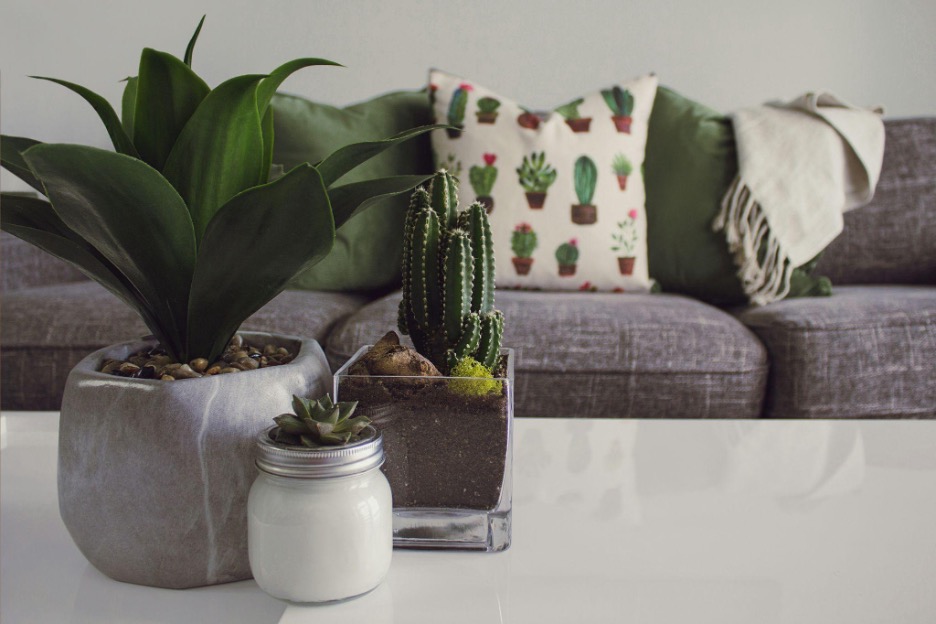
Hard surfaces usually receive the most attention during routine cleaning because dirt and dust are easier to see. Soft surfaces are different. Curtains, rugs, couches, decorative pillows, and blankets can quietly collect dust, pet hair, and odors over long periods of time.
These materials often influence how a room feels because they occupy large portions of the living space. A sofa may appear perfectly clean while holding odors that have accumulated gradually. Curtains can collect dust even when windows and floors look spotless.
Refreshing fabrics before guests arrive can significantly improve the overall atmosphere of a room without requiring extensive cleaning efforts elsewhere.
The Guest Bathroom Deserves More Than a Quick Wipe-Down
Most homeowners remember to clean the bathroom, but they often focus only on obvious surfaces such as sinks, mirrors, and countertops. Guests frequently notice details that regular occupants overlook.
Hand towels, soap dispensers, trash bins, baseboards, and storage areas all contribute to the overall impression of the space. Replacing partially used items, restocking necessities, and spending a few extra minutes on finishing touches can make the room feel more polished and prepared.
A guest bathroom does not need to look luxurious. It simply needs to feel clean, organized, and ready for use.
The Small Details Create the Biggest Difference
Preparing for visitors is rarely about achieving perfection. Most guests are not evaluating a home’s cleanliness against professional standards. What they tend to notice is whether the space feels comfortable, welcoming, and cared for.
Fresh air, organized spaces, clean fabrics, and attention to commonly overlooked areas often have a greater impact than repeatedly cleaning the same visible surfaces. By focusing on the details that are easiest to miss, homeowners can create an environment that feels noticeably fresher and more inviting throughout the entire visit.
In many cases, the most effective preparation happens in the areas that rarely make it onto a standard cleaning checklist.