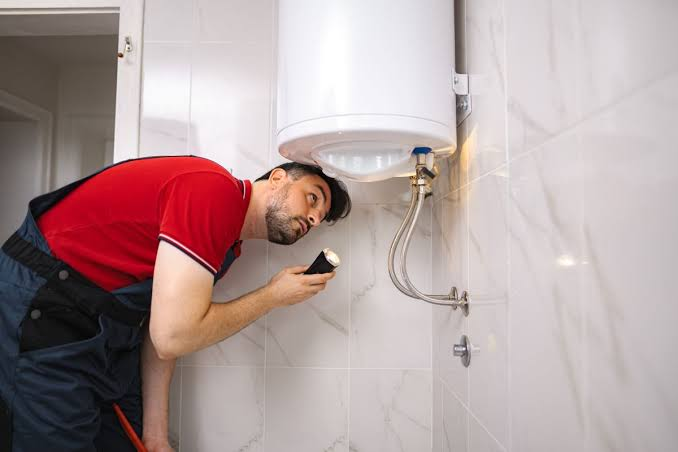
When your hot water system plays up, the big question is simple: fix it or replace it? The right answer depends on the age of the unit, which part has failed and how much life the tank has left. This guide covers the main factors so you can make a sensible call.
A licensed Perth hot water system plumber can pinpoint the fault, but it helps to know the basics first.
Start With the Age of the Unit
Age is the first clue. Gas and electric storage tanks are commonly said to last around 8 to 12 years. Some last longer, some fail sooner. Water quality, daily use and maintenance all play a part. Continuous flow units have no storage tank to corrode, so they’re often expected to last longer than tank systems.
The manufacture date is usually on the compliance plate on the side of the unit. On a unit near or past its expected lifespan, repairs become more of a gamble.
Faults That Are Often Worth Repairing
Many problems come down to a single part. Common repairs include:
- Thermostat: If the water is too hot or not hot enough, a faulty thermostat may be the cause.
- Heating element: Electric systems use an element to heat the water. When it fails, hot water can stop entirely, but the element can be replaced.
- Temperature and pressure relief valve: This safety valve lets water out if pressure or temperature climbs too high. A small discharge is normal, but a constant flow may mean the valve needs replacing.
- Pilot or ignition parts: Gas units can stop heating because of a faulty thermocouple or ignition component. A licensed gas fitter can usually fix these.
If the tank is still sound, repairs like these can give you several more years of hot water.
Don’t Forget the Anode
Most glass-lined steel tanks contain a sacrificial anode, a metal rod that corrodes so the tank doesn’t. Once it wears away, the tank itself starts to rust. Many plumbers suggest checking it around every five years, though the right timing depends on your water and the model. Stainless steel tanks generally don’t use one. Replacing a worn anode in time can extend a tank’s life.
When Replacement Makes More Sense
Some problems point clearly toward a new unit:
- The tank itself is leaking. Water coming from the tank body, not a valve or fitting, usually means internal corrosion. Tanks can’t be patched.
- Repeated breakdowns. If you’ve paid for several repairs in a short time, those costs add up fast.
- The repair costs a big share of a new system. Pouring money into an old unit rarely pays off.
- Your needs have changed. A bigger household or a different energy source can make a new system the smarter choice.
A Note on WA Rules
In Western Australia, replacing a water heater can trigger rules on the temperature of hot water delivered to bathrooms, which is generally limited to 50°C using a device such as a tempering valve. A licensed plumber will tell you if your installation needs one, so check the replacement price covers it.
Making Your Decision
Weigh up the age of the unit, the type of fault, the repair price and the condition of the tank. A young system with one failed part is usually worth fixing. An older system with a leaking tank or constant problems is usually ready to retire. Ask for a clear price on both options, then pick the one that gives you reliable hot water for the years ahead.