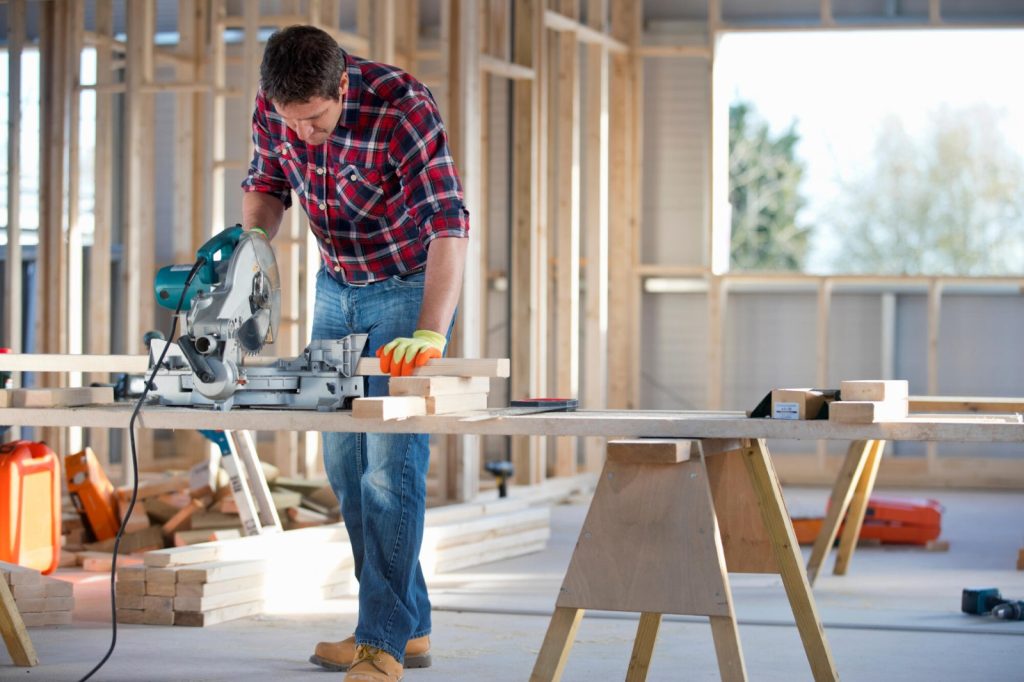
A high-end home workshop should feel organized, useful, and comfortable. It should also match the quality and design of the rest of the home. A good workshop is not only about owning expensive tools. It is about creating a space where every tool has a place and every task can be done safely.
The right layout can make projects easier and reduce wasted time. Strong storage, clear work zones, proper lighting, and reliable tools all matter.
Choose Tools That Match Your Main Projects
Before buying tools, think about the type of work you plan to do most often.
A workshop used for woodworking will need different equipment from one focused on auto work or home repairs. Buying tools without a clear plan can quickly fill the space with items that are rarely used.
Start with the basics. A strong drill, quality hand tools, measuring equipment, and good safety gear can cover many common tasks.
Then add more special tools as your needs grow.
Useful categories may include:
- Power tools
- Hand tools
- Measuring tools
- Cutting tools
- Safety equipment
Quality matters more than quantity. A smaller set of dependable tools can be more useful than a large collection of low-quality items.
Build a Layout Around Clear Work Zones
A good workshop layout should support the way you move through a project.
Instead of placing tools wherever they fit, create separate zones for different tasks.
You might have one area for cutting, another for assembly, and another for storage.
Keep the tools you use most often close to the main workbench. Less-used equipment can be stored farther away.
Try to leave enough open floor space to move safely around larger projects.
A clear layout can reduce the need to carry tools across the room.
Think about where power outlets are located before placing large equipment.
Invest in Strong and Reliable Tool Storage
Tool storage is one of the most important parts of a high-end workshop.
Good storage protects tools from damage and makes them easier to find.
Wall-mounted systems can keep commonly used items in view. Cabinets and drawers can hide clutter and protect more valuable equipment.
Large tools may need dedicated shelves or floor space.
Homeowners comparing professional-grade equipment may also review sources such as Genuine Tools when researching tool kits and buying options.
Labeling drawers and shelves can make organization easier.
Try to return every tool to the same place after use. This simple habit saves time and helps keep the workshop looking clean.
Make Lighting a Major Part of the Design
Good lighting is essential for both safety and comfort.
A workshop should have bright general lighting across the room. This helps reduce dark corners and makes it easier to move safely.
Task lighting is also useful over workbenches and other detailed work areas.
LED lights are a common choice because they can provide strong light while using less energy.
Natural light can also improve the space. If the workshop has windows, keep them clear when possible.
However, avoid placing work surfaces where strong glare may become a problem.
Lighting should make it easy to see measurements, cuts, screws, and small parts.
A well-lit workshop can also feel larger and more inviting.
Do not treat lighting as a final detail. Plan it early so fixtures are placed where they will be most useful.
Add a Durable and Comfortable Workbench
The workbench is often the center of the workshop.
It should be strong enough to handle the type of projects you plan to complete.
Choose a surface that can resist scratches, weight, and regular use.
The height should feel comfortable. A bench that is too low or too high can make long projects tiring.
Storage under the bench can help save floor space.
Drawers, shelves, or cabinets can hold tools and supplies that you use often.
A wall behind the bench can also be used for pegboards, tool racks, or small shelves.
If you need more flexibility, consider a mobile bench with locking wheels.
Use Space-Saving Ideas Without Creating Clutter
Even a large workshop can become crowded if storage is poorly planned.
Use wall space whenever possible. Shelves, hanging racks, pegboards, and tall cabinets can free up valuable floor space.
Ceiling storage may work for lightweight items that are not used often.
Fold-down tables can also help in smaller spaces. They provide extra work area when needed and can be stored flat against the wall later.
Avoid placing too many items on open shelves. Too much visible equipment can make even a large workshop feel messy.
Keep daily-use tools easy to reach and store seasonal items higher up.
Focus on Safety and Clean Air
A luxury workshop should also be a safe workshop.
Wear proper eye, ear, and hand protection when using tools. Keep safety equipment where it is easy to reach.
Dust and fumes can also become a problem, especially during cutting, sanding, painting, or finishing work.
Good ventilation can help improve air quality.
For woodworking, a dust collection system can reduce the amount of fine material in the air.
Keep flammable products in proper storage areas and away from heat sources.
Make sure fire safety equipment is easy to find.
Match the Workshop to the Rest of the Home
A high-end workshop can be practical without looking plain.
Choose finishes that fit the style of your home. Matching cabinets, clean hardware, and simple wall colors can create a more polished look.
Durable flooring can also improve the design.
Epoxy, sealed concrete, or other strong surfaces may be easier to clean than unfinished floors.
If the workshop is visible from other parts of the home, closed cabinets can help hide tools and supplies.
You can also add small design details such as matching storage bins, framed plans, or neat display areas.
Conclusion: Create a Workshop That Works for You
A high-end workshop should combine strong tools, smart storage, good lighting, and a clear layout.
Start by thinking about the projects you complete most often. Then build the space around those needs.
Choose reliable tools, create safe work zones, and use storage that keeps clutter under control.
Do not forget comfort and design. A workshop can be practical while still matching a luxury home.
Review your current space and identify one area that could work better. Improving the layout, lighting, storage, or tool setup can make every future project easier and more enjoyable.
If you’d like to learn more, check out more articles on our blog.