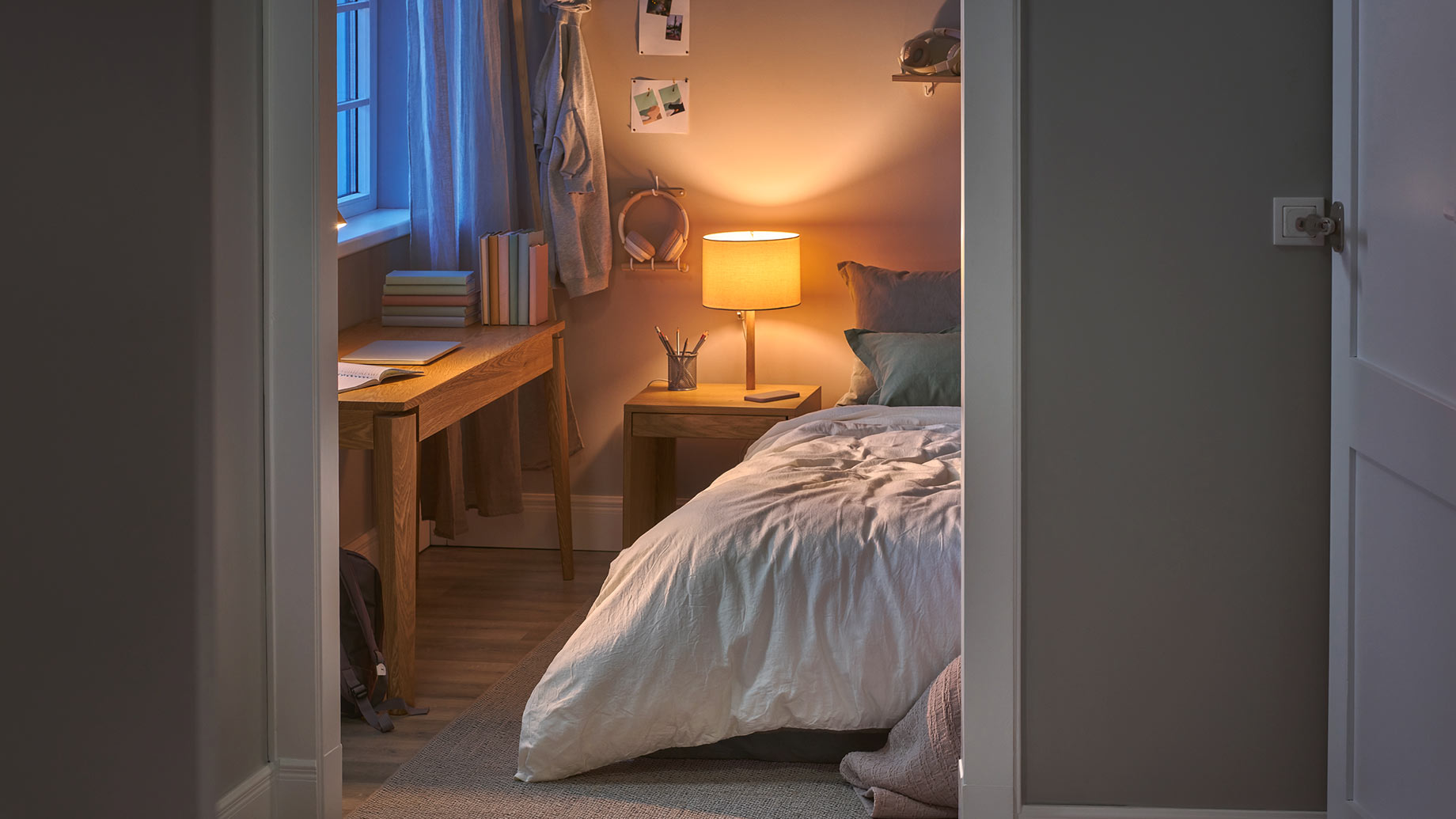
For many teenagers, the bedroom has become much more than a place to sleep. It is where homework gets finished, friendships unfold through a phone screen, videos play late into the night, and the pressures of school, sports, family life, and social media follow them behind a closed door.
That makes the condition of the room more important than it first appears.
A cluttered, noisy, bright, or uncomfortable bedroom can add another layer of stress to an already overloaded day. A calmer space does not erase academic pressure or emotional struggles, but the home environment plays a role in how easily the body shifts from alert mode into rest.
For parents looking at teen wellness from a home and design perspective, the bedroom has become an increasingly relevant part of the conversation.
Start With the Room’s Main Job: Sleep
Teen bedrooms often have competing identities. They are bedrooms, study areas, gaming stations, changing rooms, entertainment centers, and sometimes makeshift dining spaces.
The problem is that the brain does not always switch between those roles as quickly as teenagers expect.
When homework papers cover the bed and notifications continue after midnight, the room remains connected to activity. Even small details such as a laptop glowing beside the pillow or clothes piled across a chair can make the space feel unfinished.
Sleep deserves priority because stress and poor sleep tend to feed each other. A teenager who feels overwhelmed can struggle to fall asleep. After a poor night’s rest, normal school problems can feel much bigger the next morning.
Simple design choices influence that atmosphere. Soft lighting, clean bedding, enough ventilation, and a room temperature that feels comfortable all make the space feel more suited to rest.
The phone changes the bedroom
Phones deserve special attention because they have effectively erased the old boundary between public and private life.
A teen can physically leave school at 3 p.m. but still carry classmates, grades, group chats, sports rankings, and social pressure into bed at midnight.
That constant connection matters when stress starts affecting mood or daily functioning. Some families also seek outside resources such as therapy for teens and young adults when emotional pressure extends beyond what changes to the home environment can address.
The bedroom cannot solve everything. But it can stop adding unnecessary noise.
Clutter Is More Than a Design Problem
Instagram and Pinterest tend to present organization as an aesthetic exercise. Real teenage bedrooms are rarely that polished.
There are backpacks, half-finished projects, chargers, shoes, water bottles, sports equipment, makeup, books, laundry, and whatever else arrived during the week.
Some mess is normal.
The issue begins when clutter makes basic routines harder. Hunting for a school uniform at 6:30 a.m. or searching through piles for an assignment adds tiny bursts of frustration to an already busy morning.
Those moments seem minor individually. Together, they create friction.
A healthier room gives everyday items predictable places. Storage does not need to look like a showroom. A basket for laundry, a tray for small electronics, a clear section of the desk, and somewhere to place a school bag can make the room easier to use.
And there is another side to this. An extremely controlled bedroom can feel stressful too.
Teenagers need some ownership over their space. Posters, photos, collections, mismatched pillows, concert tickets, sports medals, or strange little objects that adults do not understand can give a room personality. Healthier does not mean sterile.
Light, Noise, and Air Quietly Shape the Mood
The most noticeable bedroom features are usually furniture and decor. Yet some of the less glamorous details have a major impact on comfort.
Light is one.
Bright overhead lighting works for cleaning or studying but feels harsh late at night. Lamps and warmer light sources create a clearer transition between daytime activity and evening rest. Morning daylight also helps the bedroom feel less closed off.
Noise matters for the same reason. Traffic, television from another room, gaming audio, or household conversations can keep the nervous system alert even when a teenager is trying to settle down.
Then there is air quality.
Dust, stale air, excess humidity, pet dander, and strong fragrances can make a bedroom uncomfortable. Opening windows when conditions allow, keeping bedding clean, and dealing with damp areas can make the space feel fresher without turning the room into a science project.
Stress sometimes shows up in unexpected ways
Not every stressed teenager looks obviously anxious.
Some become irritable. Others withdraw. Sleep schedules shift. School attendance changes. Risk-taking can increase. Substance use also becomes part of the picture for some young people, especially when they begin using alcohol or drugs as a way to manage difficult emotions.
When anxiety and substance use appear together, families sometimes encounter specialized services such as an anxiety and addiction treatment program. These situations go far beyond bedroom design, but they show why changes in a teen’s home habits deserve attention rather than being dismissed as laziness or ordinary teenage behavior.
A Study Zone Can Keep School Stress Out of Bed
Homework has a habit of spreading.
It starts at the desk, moves to the floor, reaches the bed, and eventually ends with a laptop resting on a pillow at 1 a.m.
Creating even a small visual boundary between schoolwork and sleep helps separate those parts of the day.
A full home office is not necessary. A compact desk, a wall-mounted surface, or even one clearly defined corner can establish a work area.
Good lighting matters here too. So does a chair that supports normal posture. Teens can spend several hours sitting while studying, gaming, editing videos, or scrolling, and physical discomfort adds to mental fatigue.
Once schoolwork regularly moves into bed, the bed stops feeling like a place reserved for rest.
That line becomes especially important during exam periods, college applications, sports seasons, and other stretches when teenagers already feel watched, measured, or compared with their peers.
The Bedroom Should Feel Safe, Not Perfect
There is a strange contradiction in modern home design.
People want calm spaces, yet social media constantly shows bedrooms that look professionally styled. That can turn relaxation itself into another performance.
A teenager does not need a perfectly coordinated room.
They need somewhere they can decompress without feeling judged.
Privacy matters. So does knowing that personal belongings will be respected. Parents still need household rules, of course, but teenagers are building independence. Their bedroom often becomes the first physical space where that independence takes shape.
Mental health concerns can also become more serious than ordinary stress. When substance use has already reached the point where stopping safely becomes a concern, families can encounter medical services such as a drug and alcohol detox program as part of a much broader treatment process.
That distinction matters. A relaxing bedroom supports everyday wellbeing. It does not replace professional care when the problem has moved beyond everyday stress.
Small Home Details Can Reveal Bigger Changes
Parents often notice changes at home before anyone else does.
A teen who suddenly keeps blackout curtains closed all day, stops changing bedding, abandons hobbies, rarely leaves the room, or stays awake through most of the night is communicating something through behavior, even if they are not ready to explain it.
One messy weekend means very little. A clear and lasting change in habits tells a different story.
The room itself can become a useful clue.
So can what disappears from it. Sports equipment that once got used every afternoon gathers dust. Art supplies remain untouched. Friends stop visiting. School papers pile up unopened.
When emotional distress, substance use, or major behavioral changes continue, broader programs providing addiction and mental health treatment reflect the level of care involved when problems extend beyond changes to routine or environment.
For everyday stress, however, the bedroom still matters in a simpler way.
It is one of the few places where a teenager gets to shut the door on the outside world.
A room with comfortable bedding, softer evening light, fresh air, manageable clutter, personal objects, and some separation between study and sleep will not remove every pressure a teenager faces.
But it can give the day a clearer stopping point.
And for a stressed teen, having somewhere that genuinely feels like the day has stopped can matter more than having the most stylish bedroom in the house.