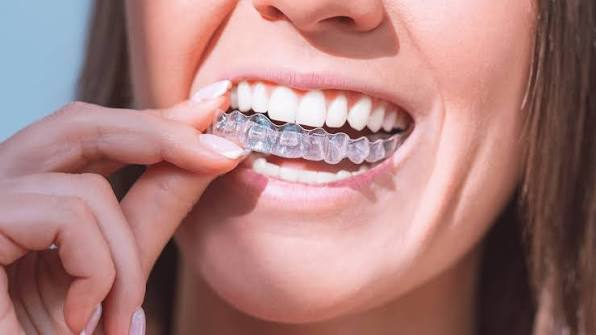
Clear aligners have become a popular choice for people who want straighter teeth without traditional fixed braces. They are discreet, removable and often fit well around adult life, which is why many people begin their smile journey by researching Invisalign or similar aligner systems.
However, clear aligners are not the right solution for every person or every orthodontic problem. They can be very effective in the right cases, but suitability depends on the position of the teeth, the bite, gum health, patient discipline and the complexity of movement needed.
Clear Aligners Work Best for Mild to Moderate Cases
Clear aligners are often used to treat mild to moderate alignment issues. These may include slightly crooked teeth, small gaps, mild crowding or teeth that have shifted after previous orthodontic treatment.
They work by using a series of custom-made trays that gradually move the teeth into improved positions. Each aligner is worn for a set period before moving to the next one in the series.
For many patients, this can be a comfortable and discreet way to improve their smile. But the movement still needs to be carefully planned and monitored by a dental professional.
They Can Help with Crowding
Crowding happens when there is not enough space for the teeth to sit neatly in the jaw. This can cause teeth to overlap, rotate or appear uneven.
Clear aligners can often help with mild or moderate crowding by gradually moving teeth into better alignment. In some cases, small amounts of space may need to be created between teeth to allow movement.
However, severe crowding may need a different approach. If there is not enough room for the teeth to move safely, fixed braces, extractions or more complex orthodontic planning may be required.
Gaps May Also Be Treatable
Small gaps between teeth are another common reason people consider clear aligners. These gaps may appear naturally or develop over time due to tooth movement, missing teeth, gum issues or previous dental work.
In suitable cases, aligners can gradually close spaces and create a more even smile. However, it is important to understand why the gaps exist before starting treatment.
If gaps are linked to gum disease, missing teeth or bite issues, those factors may need to be addressed first. Closing a space without understanding the cause may not provide a stable long-term result.
Bite Problems Need Careful Assessment
Many people think of teeth straightening as purely cosmetic, but the bite is just as important. The way the upper and lower teeth meet can affect comfort, wear, jaw function and long-term oral health.
Clear aligners may help with some mild bite issues, depending on the case. However, more complex overbites, underbites, crossbites or open bites may need specialist orthodontic treatment.
This is one of the main reasons a consultation is so important. A smile may look like a simple alignment issue from the front, but the bite may be more complicated once properly assessed.
Patient Discipline Matters
One major benefit of clear aligners is that they are removable. This makes eating, brushing and flossing easier than with fixed braces. However, removability also means the patient has more responsibility.
Aligners usually need to be worn for most of the day and night to work properly. If they are left out too often, treatment may slow down or the teeth may not move as planned.
Anyone considering aligners should be honest about whether they can commit to wearing them consistently. Clear aligners are convenient, but they only work if they are used correctly.
Gum Health Comes First
Before any orthodontic treatment begins, the mouth needs to be healthy. Gum disease, untreated decay or poor oral hygiene can affect whether aligner treatment is suitable.
Moving teeth while gum health is poor can create risks. This is why a dentist may recommend hygiene treatment, fillings or other dental work before starting aligners.
A healthy foundation gives the treatment a better chance of success and helps protect the teeth during movement.
Attachments and Refinements May Be Needed
Some people imagine clear aligner treatment as simply wearing a sequence of plastic trays. In reality, treatment can involve additional steps.
Small tooth-coloured attachments may be placed on certain teeth to help the aligners grip and move them more predictably. These attachments are usually discreet, but they are part of many treatment plans.
Refinements may also be needed near the end of treatment. This means taking new scans and creating extra aligners to make final adjustments. Refinements are common and should not be seen as a failure. They are part of achieving a better result.
Know the Limitations Before Starting
Clear aligners can be excellent for the right patient, but expectations need to be realistic. They may not be suitable for severe crowding, complex bite correction, significant rotations or cases needing major tooth movement.
For anyone researching treatment, it is useful to understand what Invisalign can and cannot fix before assuming aligners are the right answer.
A proper consultation can confirm whether clear aligners are suitable or whether another option may give a better result.
Retainers Are Part of the Process
Teeth can move after orthodontic treatment. This is why retainers are usually needed once aligner treatment is complete.
Retainers help keep the teeth in their new position. Without them, there is a risk that the teeth will gradually shift back. Anyone considering aligners should understand that retention is not optional if they want to protect the result.
Final Thoughts
Invisalign and other clear aligner systems can be a great option for many people, especially those with mild to moderate alignment concerns who want a discreet treatment. They can help with crowding, spacing and some bite issues when the case is suitable.
However, clear aligners are not right for everyone. The best results come from proper assessment, realistic expectations, good oral health and patient commitment.
Before starting treatment, it is important to understand what aligners can achieve, where their limits are and what aftercare will be needed to maintain the result.