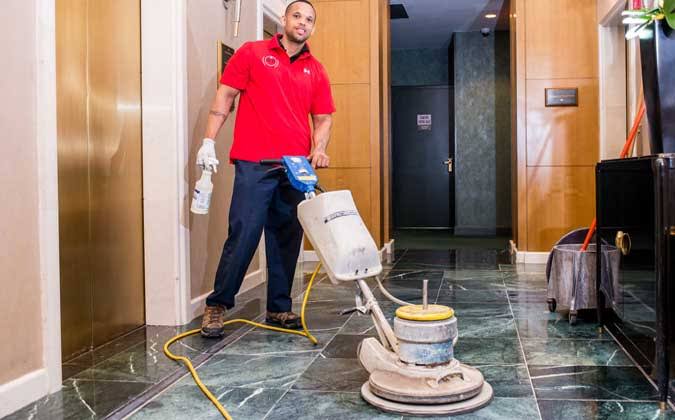
A commercial building rarely fails all at once. It fails in small ways first. A drain runs slow. A light flickers. A tile cracks in the corner of a hallway. Nobody stops to look. Weeks later, that small issue becomes a big bill. This is the pattern behind most property problems. They start small. They start quiet. And they are almost always preventable.
Property managers know the cost of reacting late. A burst pipe does not just ruin a ceiling. It shuts down a business for a day, maybe more. A broken HVAC unit in summer does not just make tenants uncomfortable. It can drive them to leave when their lease ends. Every deferred repair carries a hidden price tag, one that grows the longer it waits.
Why Small Problems Turn Into Big Ones
Buildings are systems. Plumbing connects to electrical. Roofing connects to insulation. HVAC connects to air quality. When one part fails, it puts stress on the parts around it. A leaking roof does not stay a roof problem. Water finds its way into walls, then into wiring, then into flooring. What began as a small leak becomes a full renovation.
The same logic applies to parking lots, elevators, fire systems, and even landscaping. Cracked pavement lets water seep under the surface. That water freezes in winter and expands. The crack grows. Left alone for a year or two, a small crack becomes a pothole that damages cars and invites lawsuits.
None of this needs to happen. Regular inspection catches these issues while they are still cheap to fix. A five-dollar sealant job today can prevent a five-thousand-dollar repair next year.
The Case for a Maintenance Schedule
Many property owners still treat maintenance as a reactive task. Something breaks, they call someone, it gets fixed. This approach feels efficient in the short term. It is not. It trades small, planned costs for large, unplanned ones.
A better approach is scheduled maintenance. This means someone walks the property on a set calendar. They check the roof each season. They test the HVAC before summer and winter. They inspect fire extinguishers, smoke detectors, and exit signs on a fixed timeline. They look at plumbing fixtures for slow leaks before those leaks become floods.
This kind of schedule does more than prevent damage. It creates a paper trail. If a tenant is ever injured or a system ever fails, a documented maintenance history protects the property owner. It shows that reasonable care was taken. Insurance companies and courts pay attention to this kind of record.
Common Problems Property Owners Miss
Some issues hide in plain sight. Gutters clogged with leaves seem harmless until a storm sends water pouring down the side of a building. Old caulking around windows looks fine from a distance but lets in drafts and moisture that damage frames over time. Worn carpet in a lobby is not just a cosmetic issue. It becomes a trip hazard, and trip hazards become lawsuits.
Electrical systems are another blind spot. Outlets that spark, breakers that trip often, or panels that feel warm to the touch are warning signs. Most owners ignore these signs until a fire happens. A trained eye catches these problems in a routine walk-through, long before they turn dangerous.
Pest control also falls into this category. A few ants near a break room seem like nothing. Left unchecked, that colony can spread through walls and become a health code violation. Prevention here is far easier and cheaper than an infestation later.
The Value of Outside Expertise
Not every property manager has the time or training to catch every issue. This is where working with an outside team pays off. A dedicated maintenance partner brings trained eyes to the property on a regular basis. They know what to look for. They know which small signs point to big problems down the road.
Bringing in a firm like Blu Collar Solutions gives owners a structured system instead of a patchwork of one-off fixes. Rather than waiting for a tenant complaint or a failed inspection, a proactive partner builds a checklist around the building’s specific risks and works through it on schedule. Over time, this steady rhythm of care keeps small issues from ever becoming expensive ones.
The value goes beyond the physical building. Tenants notice when a property is well kept. Clean common areas, working elevators, and fast repair response times build trust. That trust turns into longer leases and fewer vacancies. A well maintained building markets itself.
Building a Culture of Prevention
Prevention is not just about hiring the right team. It is also about mindset. Owners and managers need to treat maintenance as an investment, not an expense. Every dollar spent on inspection and upkeep is a dollar that protects a much larger asset.
Staff and tenants can also play a role. Encouraging tenants to report small issues quickly, rather than waiting until they get worse, closes the gap between problem and fix. A simple system for logging complaints, paired with fast response, keeps minor issues from festering.
Technology helps here too. Digital maintenance logs, automated reminders for seasonal checks, and shared calendars between owners and maintenance teams all reduce the chance that something slips through the cracks. The goal is simple: catch problems while they are still small and cheap.
Conclusion
Commercial property problems rarely announce themselves loudly. They start as small signs that are easy to miss and easy to ignore. But those small signs are exactly where prevention does its best work. A scheduled inspection plan, a trained eye, and a proactive maintenance partner can turn expensive emergencies into routine tasks. The buildings that hold their value over time are not the ones that avoid problems by luck. They are the ones where someone caught the problem early, before it had the chance to grow.