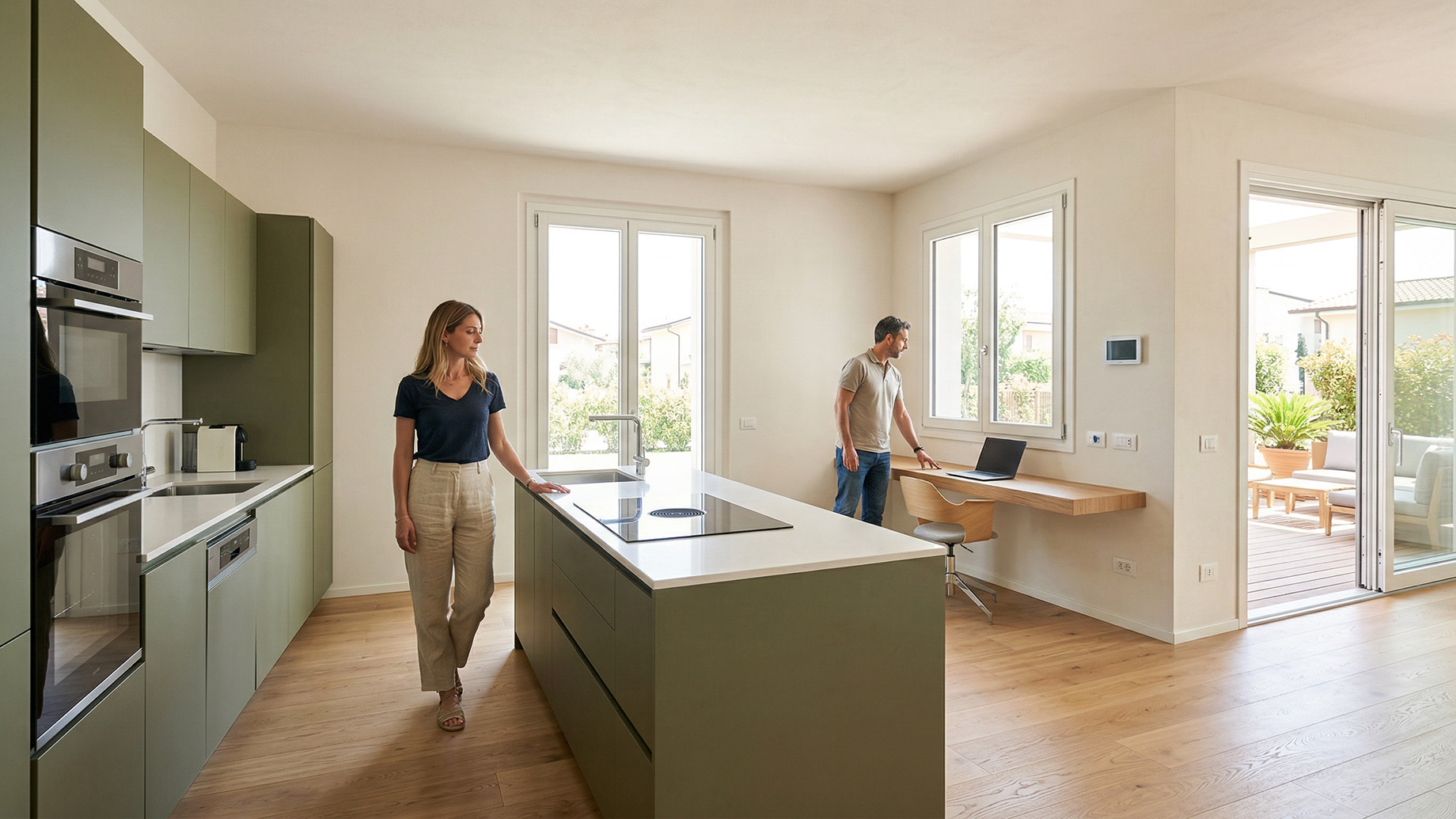
Nowadays, buyers walk into a space already thinking about how it will function once daily life begins. Attention moves across surfaces, transitions, and systems in a way that feels almost automatic. A room is no longer just a room. It becomes part of a routine that includes working, relaxing, managing tasks, and moving between spaces throughout the day. This mindset changes what stands out during a showing. Instead of focusing on what looks appealing in the moment, buyers examine how much of the home already supports their lifestyle without requiring changes.
Buyers don’t rush through every room. They pause, often without realizing why, and take in how the space feels over a few minutes rather than a few seconds. A hallway, a corner near a window, or the transition between rooms can hold more attention than a staged centerpiece.
Roof Condition
The roof remains one of the most important elements in a home, even though it rarely becomes the main focus during a walkthrough. Buyers don’t need to see it directly to form an opinion. They look for indirect signs that suggest its condition. Clean ceiling edges, consistent surfaces, and the absence of marks near upper corners all contribute to a sense that the structure above is stable and well-maintained. Such details are picked up quickly and influence the overall impression without requiring a detailed inspection.
A particular emphasis is placed on the roof as it often dictates the stability of the entire structure. Given this, many sellers consider high-quality roof replacements to attract potential buyers. It gives buyers a good understanding that a major part of the home has already been addressed with care and attention. This knowledge reduces the need to plan for immediate repairs or future upgrades in that area.
Light and Ventilation
Buyers pay attention to how light enters a space and how it interacts with different surfaces. They notice whether it spreads evenly across a room or concentrates in certain areas. The direction and quality of light often shape how comfortable a space feels, especially during longer walkthroughs where subtle differences become more noticeable.
Ventilation works alongside light in shaping that experience. Airflow becomes noticeable within moments, particularly when moving from one room to another. Buyers sense whether a space feels balanced and comfortable or slightly closed in. This awareness often leads them to pause and observe how the environment responds over time.
Energy Efficiency
Energy efficiency shows up through the way a home maintains its internal environment. Buyers observe how temperature feels across different areas and how consistent that experience remains as they move through the space. Subtle differences in warmth or cooling are often noticed without needing to check any system directly.
A home that maintains a balanced environment instills a strong sense of reliability. Buyers connect this stability with long-term comfort and predictable performance. It suggests that the systems supporting the home are working effectively with the structure itself. This perception reduces uncertainty and allows buyers to focus on how the home fits into their daily routine rather than considering adjustments that may be needed later.
Kitchen Workflow
The kitchen has become one of the most closely evaluated spaces during a showing because it plays such a central role in daily life. Buyers observe how the layout supports movement and how easily different areas connect to each other. They consider how tasks will flow from one point to another, often without consciously thinking about it.
A well-planned kitchen allows this movement to feel natural and uninterrupted. Buyers can imagine preparing meals, organizing items, and managing daily tasks without needing to adjust their habits. The placement of key elements such as storage, preparation areas, and appliances contributes to this experience.
Flexible Spaces
Rooms that support multiple uses tend to hold attention longer during a showing. Buyers look at these spaces and consider how they can adapt to different needs throughout the week. A single room may serve as a workspace during the day, a quiet area in the evening, or a guest space when needed.
This flexibility adds practical value because it reduces the need for future changes. Buyers recognize that a space capable of supporting different functions can adjust to their routine over time. They spend more time in these rooms, testing how the layout feels and how easily it accommodates different uses.
Renovation Consistency
Buyers now pay attention to how updates are carried across the entire home rather than focusing on one standout area. A kitchen may look newly renovated, yet attention quickly shifts to adjacent spaces to see if that same level of care continues. Flooring transitions, wall finishes, and ceiling details are all observed as part of a larger picture. When one area feels updated while another feels untouched, it introduces a sense of imbalance that stays with the buyer as they move through the property.
A home where renovations feel consistent across rooms creates a smoother experience during a walkthrough. Each space connects naturally to the next without raising questions about what might need attention later. Buyers recognize this continuity as a sign that the home has been maintained with a clear plan in mind.
Outdoor Readiness
Outdoor spaces have taken on a more active role in how homes are used, which has changed how buyers evaluate them. Patios, yards, and seating areas are viewed as extensions of daily living rather than occasional-use features. Buyers look for spaces that are already prepared for regular use without requiring immediate updates or adjustments.
A well-prepared outdoor area may include stable surfaces, functional lighting, and defined zones for seating or activity. Buyers imagine how these spaces will be used during evenings, weekends, or gatherings. They consider how easily the area supports those activities without needing additional work.
Privacy in Layout
Privacy within a home has become a noticeable factor during walkthroughs, especially in layouts where multiple activities happen at the same time. Buyers observe how spaces are positioned in relation to each other and how easily different areas can function independently.
A layout that allows separation between shared spaces and quieter areas supports a more comfortable living experience. Buyers often pause to consider how sound, movement, and visibility carry from one room to another. They think about conversations, work calls, or quiet time and how those activities fit within the layout.
Electrical and Smart Features
Electrical systems and smart features have become part of everyday expectations. Buyers look for setups that support connected devices, modern appliances, and convenient control of different systems within the home.
A home that includes updated wiring, accessible outlets, and integrated smart features creates a smoother daily experience. Buyers consider how easily they can connect devices, manage lighting, or control systems without needing additional installations. This level of readiness supports a sense of convenience and aligns with how homes are used today.
The home search process now centers on how well a property supports everyday living without added effort. Buyers move through spaces with a focus on performance, consistency, and long-term usability. Each detail contributes to a larger picture of how the home will function once it becomes part of daily life.
