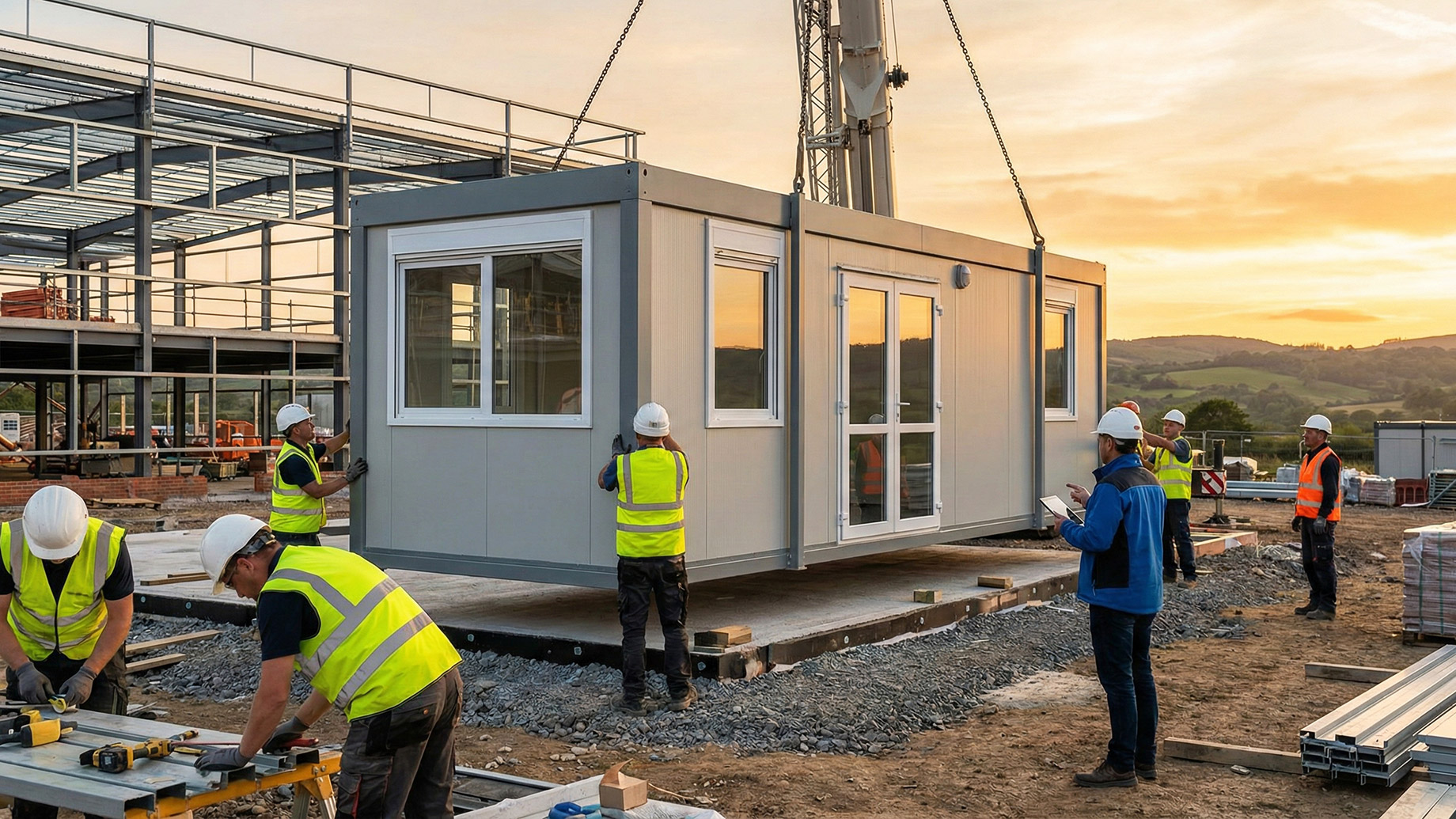
For project managers and building managers, securing adequate space is a persistent challenge. Site conditions are rarely static; projects evolve, timelines shift, and operational requirements can transform at a pace that permanent architecture simply cannot match. When the need for additional space becomes urgent, the flexibility of a temporary structure is often the most logical solution. However, the critical question remains whether it is more advantageous to invest in a permanent asset or to opt for a rental agreement.
While both procurement methods serve specific purposes, portable building hire frequently emerges as the more sophisticated and adaptable choice. This is particularly true when factors such as time constraints, budget volatility, or project uncertainty are at play. Choosing to hire allows an organisation to access high-quality, professional accommodation without the burden of a long-term financial commitment, all while benefiting from modern standards of comfort, safety, and reliability.
Defining the Path: Hiring vs. Buying
To make an informed choice, one must first grasp the fundamental differences between these two financial models. Purchasing a building represents a significant capital investment. While this turns the structure into a company asset, it also transfers every associated responsibility to the owner. This includes the costs of maintenance, the logistical headache of storage when the unit is not in use, the expense of future relocations, and the ongoing burden of ensuring the building remains compliant with evolving building regulations.
Conversely, portable cabin hire is typically structured as a short to medium-term arrangement. In this model, you pay only for the building’s utility during its use. The provider generally assumes responsibility for the heavy lifting, including delivery, professional installation, eventual collection, and any necessary technical support. For project-led environments where agility is prized, removing these long-term liabilities is often the primary driver behind the decision to rent.
The Ideal Solution for Short-Term and Temporary Works
The most compelling case for portable building hire lies in short-term projects. Construction sites, infrastructure developments, large-scale refurbishment programmes, and seasonal events often require a sudden influx of space for a strictly limited period. These requirements might range from site offices and secure meeting rooms to essential welfare facilities or dry storage.
In these instances, the justification for a capital purchase is often weak. Once a project concludes, the owner is left with a physical asset that requires storage, resale, or a new location, all of which incur additional costs. By utilising portable buildings for hire, project managers can align their accommodation expenditure exactly with the lifespan of the work. When the contract is completed, the building is simply collected, leaving the site clear and the budget free from the costs of managing redundant assets.
Navigating Uncertain Timelines and Fluctuating Programmes
Even the most meticulously planned projects are subject to change. Delays in the supply chain, extensions in scope, and shifting planning permissions are common realities, particularly on complex industrial or commercial sites. In such a volatile environment, a fixed asset can become a hindrance.
Choosing portable cabin hire provides the essential “breathing room” required to adapt to these changes. If a project duration is extended, the hire period can usually be adjusted to suit the new timeline. Should the team expand, additional units can often be integrated into the existing setup with minimal friction. Unlike buying, which locks an organisation into a specific capacity, hiring supports uncertainty by offering a scalable solution that works with the project rather than against it.
Financial Health and Cash Flow Optimisation
Budgetary management is a constant priority for building managers and finance teams alike. The outright purchase of a unit involves a substantial upfront cost. While this may offer theoretical value over the course of a decade of use, it can place immense pressure on capital budgets in the short term.
Opting for portable cabin hire allows an organisation to spread the cost over the duration of the project, significantly easing the strain on cash flow. From an accounting perspective, hire costs are often categorised as operational expenditure (OPEX) rather than capital expenditure (CAPEX). This distinction can be highly beneficial, allowing businesses to preserve their capital for core activities, such as purchasing materials or hiring specialised staff, rather than tying up liquid assets in temporary housing.
Eliminating the Burden of Maintenance and Storage
The hidden costs of ownership can be significant. When a company owns its temporary units, it must manage routine structural maintenance, electrical testing, and aesthetic repairs. Furthermore, as safety standards and energy efficiency regulations change, the owner must fund any necessary upgrades to keep the building fit for purpose.
When an organisation selects portable buildings for hire, these obligations remain with the supplier. Safety checks, maintenance calls, and the eventual decommissioning of the unit are typically included in the service agreement. For a busy site manager, this reduction in workload and risk is invaluable. It allows the team to maintain its focus on the project’s primary objectives, safe in the knowledge that site accommodation is being managed by specialists.
Strategic Applications: Decant Spaces and Compliance
Hiring is often the better option when the need arises from a specific, temporary problem. This is common during “decant” phases, where staff or pupils must be moved out of a permanent building during its refurbishment. In these scenarios, the portable unit is a transitional tool. Once the permanent facility is back online, the hired cabin is no longer required.
Similarly, portable building hire is an effective way to meet temporary health and safety compliance. If a site suddenly requires additional welfare units or social distancing space to meet new regulations, hiring provides a compliant solution that can be removed once the requirement is lifted. This avoids the long-term commitment to a structure that may become redundant within twelve months.
Testing and Logistical Flexibility
Occasionally, hiring serves as a low-risk trial. An organisation may be contemplating a new site layout or a different way of working, but is hesitant to commit to a permanent change. By utilising portable buildings for hire, they can test the configuration in real-world conditions. If the layout proves successful, they can then proceed with a permanent modular installation, with the benefit of evidence-based confidence.
Furthermore, on sites with restricted access or limited space, such as urban development plots, the ability to deliver and install units quickly is essential. If the site layout needs to evolve as construction progresses, hired units can be relocated or exchanged more easily than permanent fixtures. This logistical agility is a hallmark of the hire model.
Accessing Modern Standards and Energy Efficiency
A common misconception is that hiring involves receiving older, inferior stock. In reality, modern portable buildings for hire are high-performance structures. They are well-insulated, equipped with modern heating and lighting, and designed to provide a professional environment that mirrors a permanent office.
By choosing portable cabin hire, businesses often gain access to newer units that feature the latest energy-efficient technologies. This not only supports corporate sustainability goals but also ensures a comfortable and productive environment for the workforce. For building managers responsible for staff wellbeing, providing a high-quality, modern workspace is a key factor in maintaining morale on site.
Partnering for Success: Portable Building Hire with GCS Group
The decision between hiring and buying ultimately depends on the duration of the need, the certainty of the timeline, and the desire to remain free from maintenance liabilities. For the majority of modern projects, the hire model offers the most effective balance of cost control and operational freedom.
GCS Group brings decades of expertise to the sector, providing premium portable buildings for hire across a diverse range of industries. Whether you require a single-site office, a complex of welfare units, or temporary classrooms, their team provides solutions that are practical, fully compliant, and delivered to your exact schedule.
If you are evaluating your space requirements for an upcoming project, contact the experienced team at GCS Group. They can help you navigate your options and ensure your site is equipped with the right solution for your budget and your timeline.
