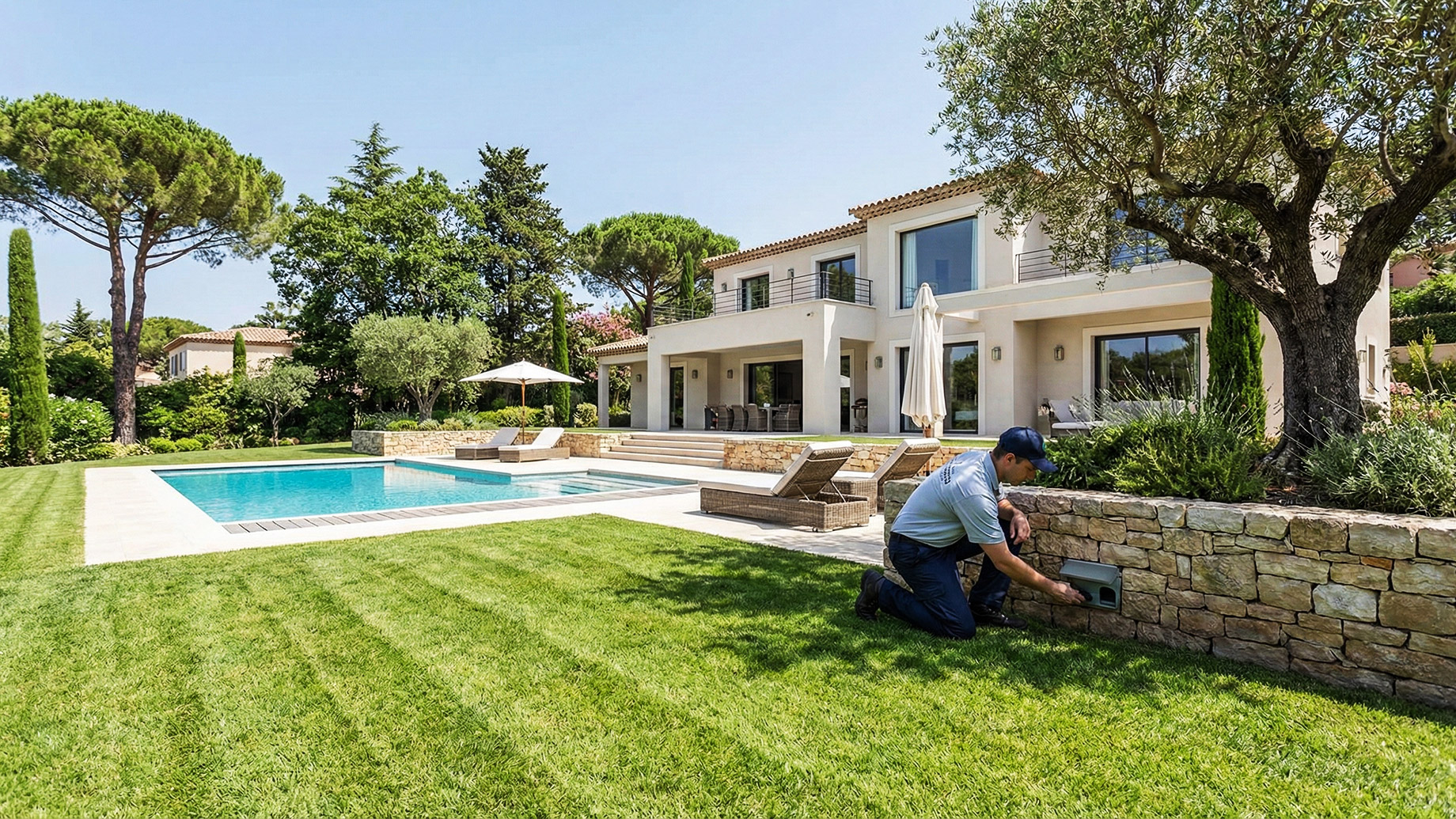
Luxury residences are designed to offer comfort, privacy, and an elevated living experience. From high end interiors to landscaped outdoor spaces, every detail is carefully considered. However, even the most well maintained properties are not immune to pest activity. In fact, large homes with gardens, water features, and multiple entry points often face higher pest risks throughout the year.
Seasonal changes play a major role in pest behavior. Temperature shifts, rainfall, and changes in human activity all influence when and where pests appear. For owners and managers of luxury residences, understanding these seasonal patterns is essential. Addressing pest risks early helps preserve property value, protect occupants, and avoid disruptive infestations.
The following seasonal pest control tips focus on prevention, awareness, and strategic planning, rather than reactive fixes.
Spring Pest Control Considerations
Spring marks the beginning of increased pest activity. As temperatures rise, many insects emerge from dormant states, and rodents become more active after winter. Luxury residences with gardens, patios, and outdoor entertaining areas are especially vulnerable during this period.
Ants are among the first pests to appear in spring. They search for food and water and often enter homes through tiny cracks around windows, doors, or foundations. Termites also become a concern during spring, particularly in properties with wooden structures or moisture issues.
To reduce spring related pest risks, property owners should focus on inspecting the exterior of the home. Cracks in walls, gaps around doors, and damaged seals should be addressed promptly. Landscaping should be maintained carefully, ensuring that soil and mulch are kept at appropriate distances from the structure.
Spring is also an ideal time to schedule a thorough inspection with a pest control expert, as early intervention is far more effective than dealing with a fully developed infestation later in the year.
Summer Pest Control Challenges
Summer brings warmth, humidity, and increased outdoor activity. These conditions create an ideal environment for insects such as mosquitoes, flies, cockroaches, and wasps. Luxury residences with swimming pools, outdoor kitchens, and large windows face unique challenges during this season.
Standing water is one of the most significant summer pest attractants. Pools, fountains, planters, and drainage areas must be monitored regularly to prevent mosquito breeding. Even small amounts of water can lead to rapid population growth.
Indoor pests also become more noticeable in summer. Cockroaches seek cool and dark spaces, often hiding in kitchens, utility rooms, and storage areas. Proper ventilation, consistent cleaning, and controlled humidity levels play a key role in reducing indoor pest activity.
High end homes often rely on discreet and minimally invasive solutions. This is where professional pest control becomes essential, as treatments must be effective without compromising aesthetics or comfort.
Autumn Pest Prevention Strategies
Autumn is a critical transition period for pest management. As temperatures begin to drop, many pests seek shelter indoors. Rodents, spiders, and insects look for warm and secure environments, making luxury residences an attractive target.
Rodents are particularly active during autumn. They enter properties through garages, basements, and service entry points. Once inside, they can cause significant damage to insulation, wiring, and stored items.
Autumn is also the season to prepare landscaping for winter. Fallen leaves, overgrown hedges, and uncollected debris provide ideal hiding spots for pests. Keeping outdoor areas clean and trimmed reduces the likelihood of pests settling close to the home.
Winter Pest Risks in Luxury Homes
Winter does not eliminate pest problems. Instead, it changes their behavior. Pests that cannot survive cold conditions outdoors actively seek indoor shelter. Luxury residences with multiple rooms, storage spaces, and heating systems offer ideal environments.
Rodents remain a primary concern during winter. They are drawn to warmth and food sources and may nest within walls or attics. Because winter activity is often hidden, infestations can grow unnoticed for months.
Spiders and other insects may also appear indoors, especially in less frequently used areas of the home. While these pests may seem minor, their presence often indicates underlying entry points or environmental conditions that need attention.
Winter is an excellent time to focus on internal inspections and maintenance. Addressing humidity issues, sealing internal gaps, and monitoring storage areas can significantly reduce pest survival during colder months.
Year Round Best Practices for Luxury Residences
Seasonal strategies are most effective when supported by year round best practices. Luxury residences benefit from a proactive approach that integrates maintenance, monitoring, and education.
Key practices include maintaining strict cleanliness standards, storing food properly, and ensuring waste is managed efficiently. High quality materials and finishes should be protected through pest conscious maintenance routines.
Staff training is also important in larger residences. Housekeeping and maintenance teams should be able to recognize early signs of pest activity and report them promptly. Early reporting often prevents minor issues from escalating.
Regular inspections and tailored treatment plans ensure that pest control efforts align with the unique structure and lifestyle of luxury properties.
Conclusion
Seasonal pest control is not about reacting to visible problems. It is about understanding how pests behave throughout the year and addressing risks before they become disruptions. Luxury residences require a higher level of care, discretion, and planning when it comes to pest management.
By aligning pest prevention strategies with seasonal changes, property owners can maintain a safe, comfortable, and pristine living environment. Attention to detail, consistency, and early action are the foundations of effective pest control.
A well managed home is not only visually impressive but also resilient against the hidden challenges that each season brings.
