Buying a new home is an exciting milestone, but once the keys are in your hand, responsibility sets in quickly. The first 90 days of homeownership are critical for identifying hidden issues, preventing costly repairs, and setting your home up for long-term comfort and safety. Many problems don’t show up during a standard home inspection, especially once you’ve lived in the house through daily use and changing weather conditions.
Whether your home is brand new or previously owned, knowing what to inspect early can save you thousands of dollars and countless headaches. This guide walks new homeowners through the most important areas to check during the first three months—and when it’s smart to call a professional or a local handyman in Brentwood, TN for expert support.
1. Structural Integrity and Foundation
Start with the bones of your home. During the first 90 days, keep an eye out for cracks in walls, ceilings, or floors. Small hairline cracks can be normal as a house settles, but large or expanding cracks may indicate foundation issues.
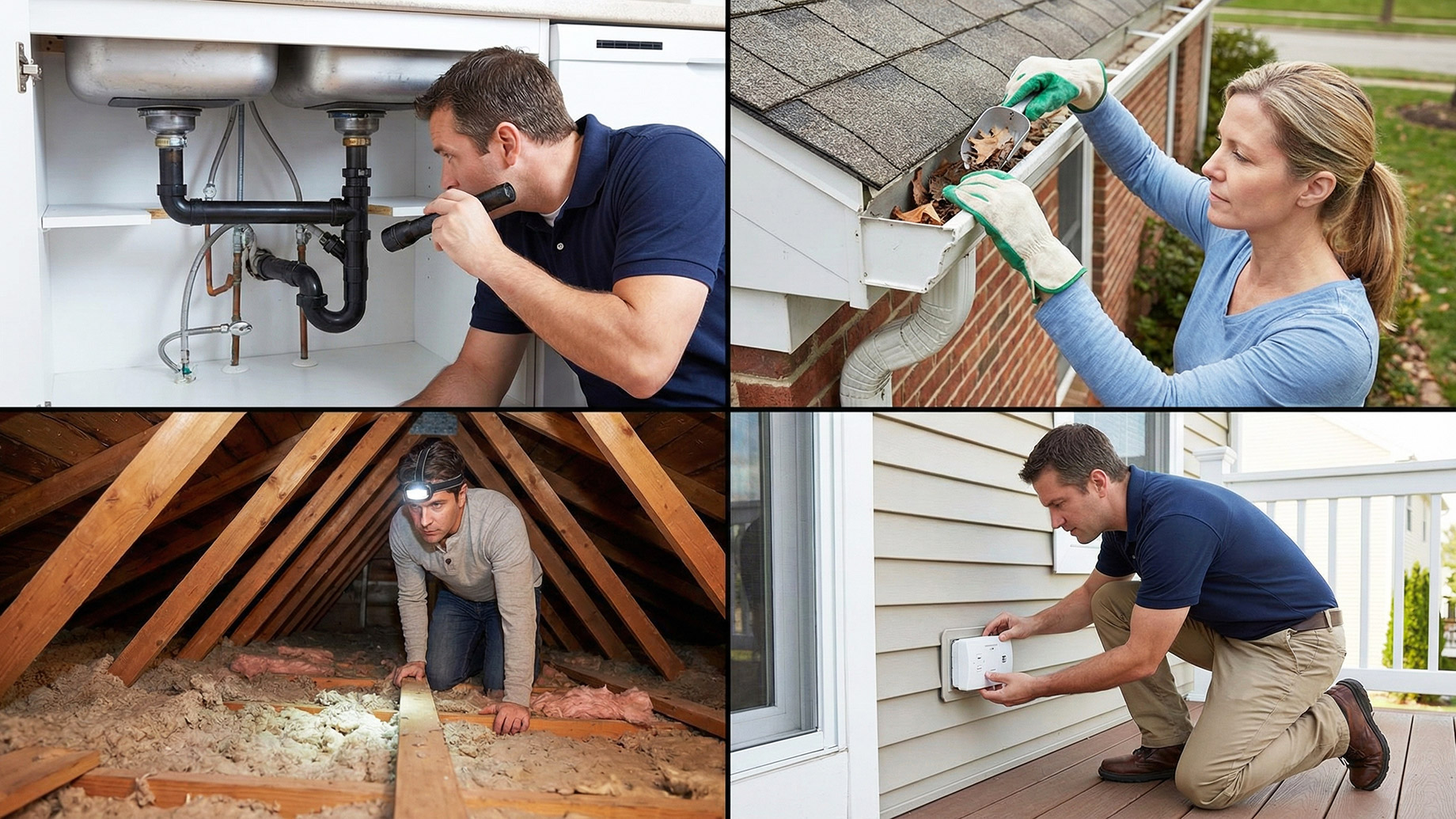
Check doors and windows to see if they stick or no longer close properly. These subtle signs can point to shifting structures. Inspect the basement or crawl space for moisture, mold, or standing water, especially after heavy rain. Early detection allows you to address problems before they turn into expensive structural repairs.
2. Roof, Gutters, and Exterior Drainage
Your roof is your home’s first line of defense against the elements. Even if it passed inspection before purchase, it’s wise to visually check for missing shingles, soft spots, or signs of leaks after storms.
Gutters should be securely attached and free of debris. Poor drainage can lead to water pooling near the foundation, which may cause long-term damage. Walk around the home during or after rainfall to see how water flows away from the property. Proper drainage within the first 90 days can prevent erosion and basement leaks later on.
3. Plumbing System and Water Pressure
Plumbing problems often reveal themselves once a home is in regular use. Check all faucets, toilets, and showerheads for leaks or inconsistent water pressure. Listen for dripping sounds under sinks and inspect cabinets for moisture.
Test hot water delivery time and check the water heater for signs of corrosion or leaks. Also, flush all toilets multiple times to ensure proper drainage. If you notice slow drains or water stains, addressing these issues early—possibly with help from a local handyman—can prevent water damage and mold growth.
4. Electrical System and Safety
Electrical issues are not only inconvenient but potentially dangerous. In the first 90 days, test all outlets, light switches, and circuit breakers. Make sure GFCI outlets in kitchens, bathrooms, and outdoor areas are working correctly.
Pay attention to flickering lights, warm outlets, or frequently tripped breakers. These can be signs of wiring problems that should be addressed immediately. Installing additional outlets or upgrading fixtures early on can improve both safety and convenience.
5. HVAC Performance and Air Quality
Your heating and cooling system plays a major role in home comfort. Run both the heating and air conditioning systems during your first 90 days, even if the weather doesn’t require constant use. This helps identify performance issues before peak seasons.
Change air filters and inspect vents to ensure airflow is consistent throughout the house. Uneven temperatures or strange noises may indicate duct or system problems. A quick inspection now can help you avoid breakdowns during extreme temperatures.
6. Windows, Doors, and Insulation
Check all windows and doors for drafts, broken seals, or difficulty opening and closing. Poor insulation can lead to higher energy bills and reduced comfort. Look for condensation between window panes, which may signal seal failure.
Inspect weatherstripping around doors and windows and replace it if necessary. These small fixes can make a big difference in energy efficiency and indoor comfort during your first year in the home.
7. Attic and Crawl Space Inspection
Many homeowners overlook these areas, but they can reveal important information about your home’s condition. In the attic, look for signs of leaks, mold, or inadequate insulation. Proper ventilation is key to preventing moisture buildup and extending the life of your roof.
In crawl spaces, check for pests, standing water, or damaged insulation. Early inspection ensures these hidden areas don’t become sources of major repair costs later.
8. Appliances and Fixtures
Test every appliance that came with the home, including the dishwasher, oven, refrigerator, washer, and dryer. Run full cycles to ensure everything works as expected. If appliances are under warranty, identifying issues early allows you to address them at little or no cost.
Check built-in fixtures such as ceiling fans, bathroom exhaust fans, and garbage disposals. Minor repairs or adjustments handled early can improve daily living and prevent bigger problems down the line.
9. Safety Features and Security
Your family’s safety should be a top priority. Test smoke detectors, carbon monoxide alarms, and any home security systems. Replace batteries and ensure detectors are properly placed throughout the house.
Inspect stair railings, decks, and outdoor steps for stability. Loose railings or uneven steps are safety hazards that should be repaired as soon as possible.
10. Create a Maintenance Plan
The first 90 days are also the perfect time to establish a long-term maintenance schedule. Document any issues you find and prioritize repairs. Having a trusted local handyman can make routine maintenance and small repairs easier, especially if you’re not comfortable handling them yourself.
Regular upkeep not only protects your investment but also helps maintain your home’s value over time.
Final Thoughts
The first three months of homeownership are about more than settling in—they’re about learning your home and protecting it. By inspecting key areas early, you can catch problems while they’re still manageable and plan improvements that enhance comfort, safety, and efficiency.
Taking a proactive approach during the first 90 days builds confidence and sets the foundation for stress-free homeownership. Whether you handle inspections yourself or work with professionals, staying attentive now ensures your new home remains a place of security and enjoyment for years to come.
