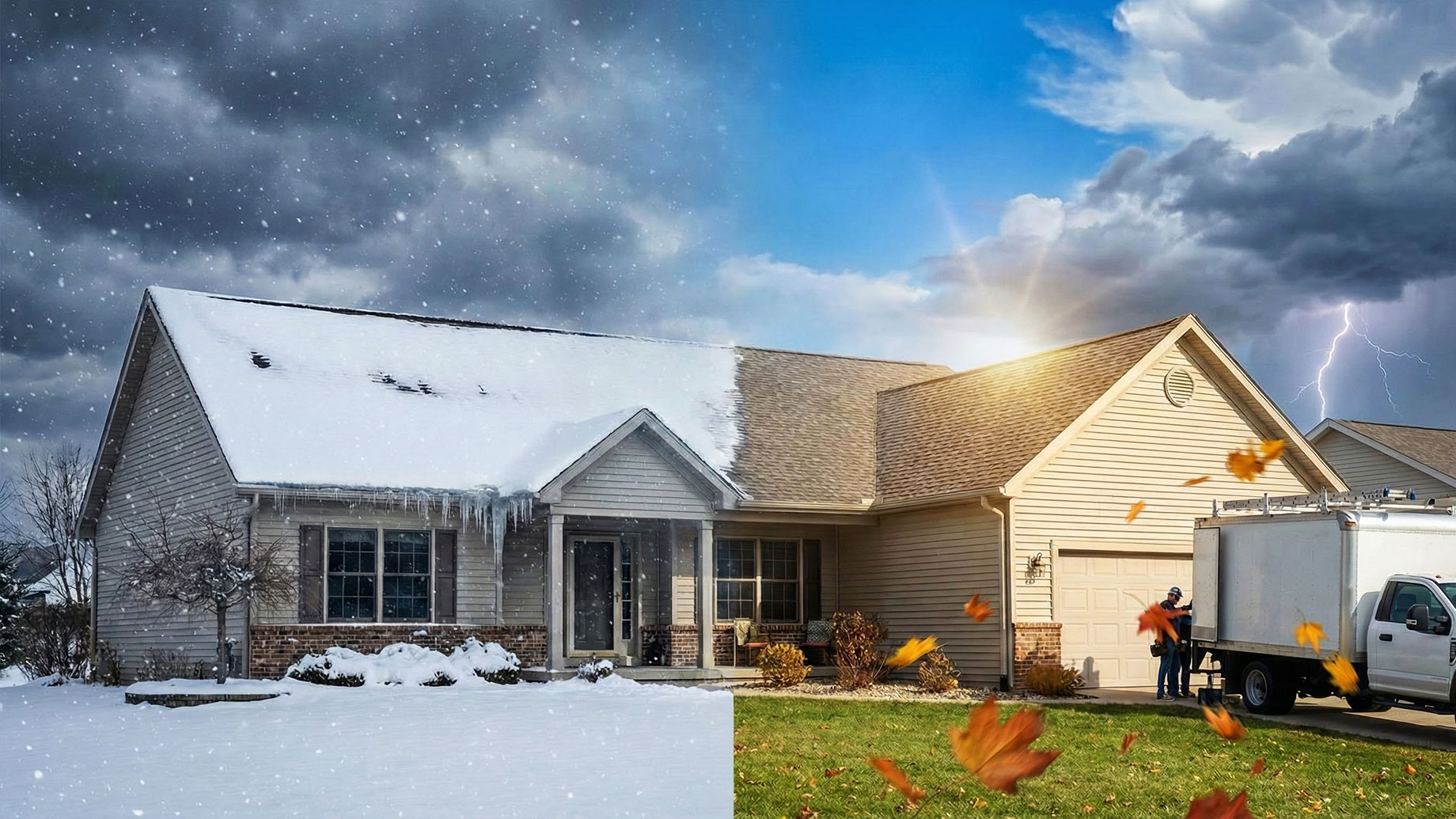
Owning a home in the Midwest is a lesson in resilience. Indiana is famous for its “four seasons in one week” weather patterns, where a sunny, humid afternoon can quickly turn into a severe thunderstorm, followed by a sharp drop in temperature. While this variability is a conversation starter for residents, it is a brutal test for residential structures.
The roof is the unsung hero of the Indiana home. It endures the weight of February snows, the relentless pounding of spring hail, and the blistering UV rays of July. Over time, these elements take a toll, often in ways that are not immediately visible from the driveway. Understanding the specific challenges of the local climate is the first step in protecting your investment.
The Science of “Thermal Shock”
One of the biggest enemies of roofing materials in Indiana is temperature fluctuation. It is not uncommon for roof surface temperatures to soar above 150°F on a summer day, only to cool rapidly at night. This cycle causes asphalt shingles and metal flashing to expand and contract repeatedly.
This phenomenon, often called “thermal shock,” can lead to micro-cracks in the shingles and the separation of seams. Once these seals are broken, the roof becomes vulnerable to wind uplift and water infiltration. In winter, this problem is compounded by the freeze-thaw cycle. If water seeps into a small crack and freezes, it expands, widening the breach and potentially causing significant structural damage over a single season.
Recognizing the Signs of Distress
Most homeowners do not realize they have a problem until water is dripping onto the dining room table. However, a roof usually gives warning signs long before a catastrophic leak occurs.
- Granule Loss: If you clean your gutters and find a sludge of ceramic granules, your roof is losing its sunscreen. These granules protect the asphalt from UV degradation; without them, shingles become brittle and fail.
- Ice Dams: In winter, thick ridges of ice forming at the eaves indicate poor attic ventilation. This trapped heat melts snow on the roof, which refreezes at the gutters, forcing water backward under the shingles.
- Curling or Cupping: When shingles start to curl at the edges, it indicates that the material has dried out and lost its flexibility, signaling the end of its lifespan.
The Importance of Professional Remediation
When these signs appear, reactive patching is rarely enough. Effective roof repair in Indiana requires a holistic approach that addresses not just the missing shingle, but the underlying ventilation and insulation issues that may have caused the failure.
Attempting to DIY these repairs can be dangerous and often voids manufacturer warranties. A professional assessment will determine if the damage is localized or if the entire system has been compromised. For instance, storm damage from hail—common in the spring—can “bruise” a shingle, fracturing the fiberglass mat underneath without breaking the surface. Only a trained eye can spot these subtle indicators that lead to future leaks.
Finding a Partner in Preservation
The quality of the installation is just as important as the quality of the materials. In affluent communities where aesthetics and property values are paramount, who you hire matters. Residents need a partner who understands local building codes and HOA requirements.
Selecting a reputable roofing company in Carmel, IN ensures that you are working with neighbors who have a stake in the community. Local experts, like those at Element Roofing, prioritize communication and transparency. They understand that a roof repair is not just a construction project; it is a restoration of your peace of mind. They can navigate the complexities of insurance claims if storm damage is involved, ensuring you receive the coverage you are entitled to.
Conclusion
Your home is likely your most significant financial asset. Ignoring the condition of your roof is a gamble that rarely pays off. By staying vigilant for signs of wear and partnering with established local professionals, you can ensure that your home remains a safe, dry, and comfortable sanctuary, no matter what the Indiana forecast brings.