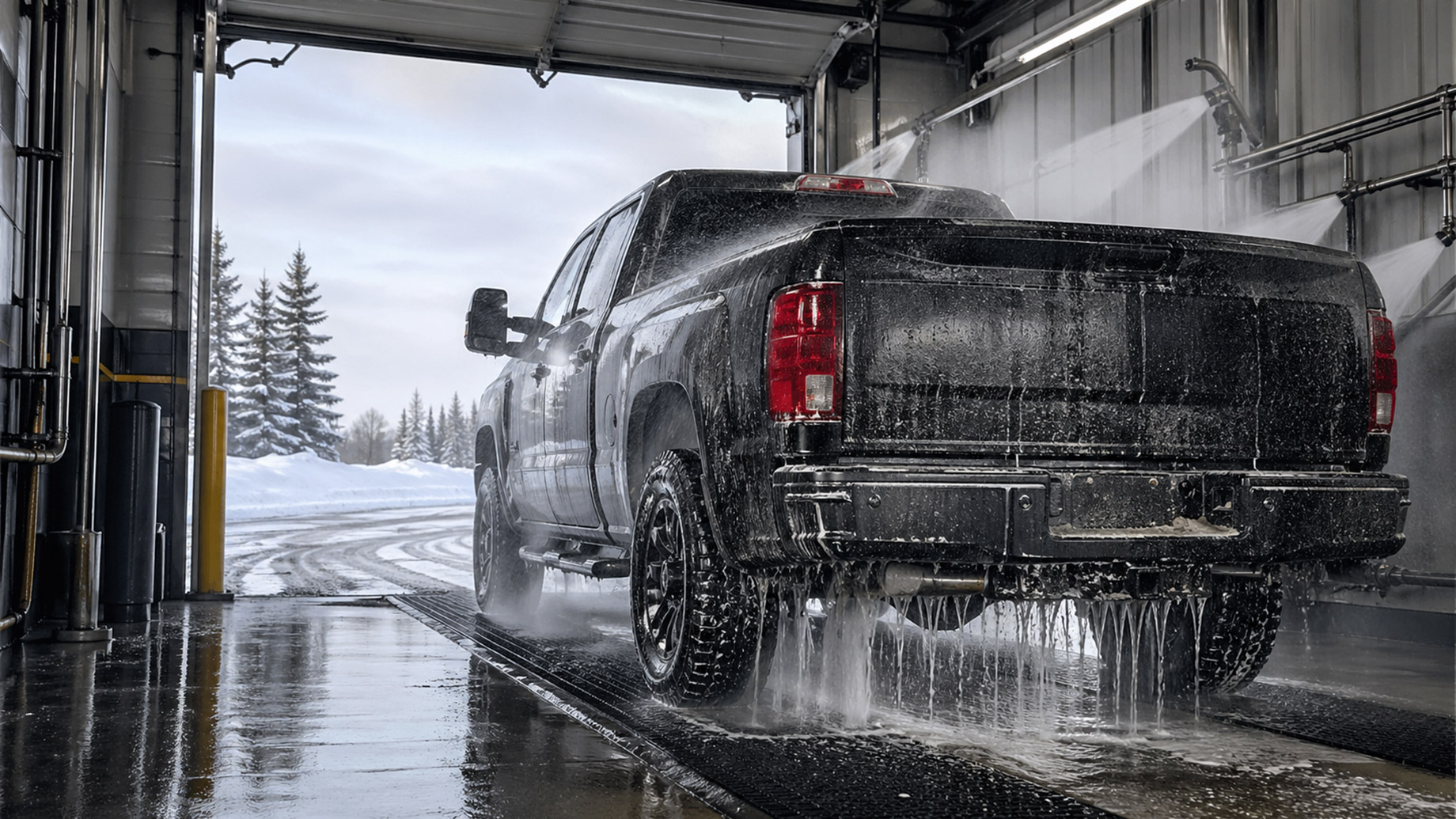
Winter in Canada is more than just a season — it’s a full experience. The kind where snow drifts pile along highways, winds whip across the prairies, and slush clings to every inch of your vehicle. Whether you drive a work truck, an RV, or your family’s daily commuter, winter road conditions challenge your vehicle in ways few countries can match. From deep freezes to sudden thaws, from icy roads to heavy salt treatments, winter transforms the road into an obstacle course of moisture, grime, and corrosive chemicals.
And that’s precisely why winter is the season when your vehicle needs the most attention — especially when it comes to washing.
For many drivers, the first instinct after a snowy, slippery commute is to search for a quick, reliable touchless car wash to blast away the layers of salt and slush. Others head to facilities built for large vehicles, often finding themselves typing truck wash near you into their phones after navigating winter’s hardest stretches.
No matter your vehicle type, washing regularly in winter isn’t optional — it’s essential.
The Canadian Winter Effect: What Makes It So Tough on Vehicles
Canada’s winter climate is unique in its extremes. Long nights, cold winds, freezing rain, and heavy snowfalls all play a role. But it’s the combination of these elements with road treatments that causes real damage.
Salt: The Silent Vehicle Killer
Road salt is extremely effective at preventing ice buildup — but it’s equally effective at corroding metal. When mixed with snow, slush, and moisture, salt forms a thin film that clings tightly to:
- Brake lines
- Mufflers
- Wheel wells
- Undercarriages
- Body panels
- Suspension components
If left untouched, salt works its way into the tiniest seams and joints, beginning the rusting process long before you can see its effects.
Sand and Gravel
Many provinces use sand or gravel to improve traction. While helpful, these materials scratch paint, dull chrome, and stick beneath fenders.
Moisture and Freeze-Thaw Cycles
Water seeps into cracks and freezes overnight, expanding and damaging protective coatings.
All these factors make winter washing not just a cosmetic habit, but a crucial part of vehicle preservation.
Why Many Drivers Prefer Touchless Washing in Winter
When temperatures drop below freezing, drivers want fast, efficient, safe cleaning. Touchless systems check every box. A touchless car wash uses:
- High-pressure, heated water
- Precise spray patterns
- Strong but safe detergents
- Zero brushes or physical contact
This is especially important during winter because:
- Brushes can freeze or trap grit
- Physical contact may scratch cold, brittle surfaces
- Ice beads form inside traditional wash systems
- Vehicles are more vulnerable to damage when temperatures drop
Touchless washing is gentle yet powerful — ideal for removing salt without adding micro-scratches.
Large Vehicles Need Even More Winter Care
Winter does not go easy on trucks, vans, and RVs. These vehicles travel farther, carry heavier loads, and are exposed to more road contaminants.
Salt, slush, and sand get flung higher on trucks due to their large wheels. Undercarriages trap more moisture. Trailers accumulate grime in corners that are hard to reach.
That’s why so many drivers rely on winter-ready wash bays specifically designed for oversized vehicles. A simple search for a truck wash near me often leads to facilities with:
- Extra-height clearance
- High-pressure rinse systems
- Dedicated undercarriage washing
- Oversized wash lanes
- Heavy-duty cleaning equipment
Professional setups ensure large vehicles get the level of winter cleaning their size demands.
A Clean Vehicle Is a Safer Vehicle — Especially in Winter
Winter brings reduced visibility and unpredictable road conditions. Keeping your vehicle clean plays a major role in safety.
Clear Lights
Salt and slush dim headlights and brake lights dramatically. Clean lenses improve visibility for both you and other drivers.
Clean Cameras and Sensors
Modern vehicles rely heavily on:
- Backup cameras
- Blind-spot sensors
- Parking sensors
- Lane detection systems
Even a thin coating of dirt can throw these systems off — something no driver wants during winter.
Better Mirror Visibility
Cold, dark mornings demand perfectly clear mirrors to ensure safe lane changes and turns.
Windshield Health
Salt streaks on windshields create glare during nighttime driving — a significant risk in winter’s long evenings.
A regular wash helps maintain the visibility essential for winter roads.
The Undercarriage: The Most Important Part to Clean in Winter
Drivers often focus on the body of the vehicle, but true winter damage happens underneath.
The undercarriage is where salt collects and begins eating away at the metal. Regular undercarriage washing:
- Removes salt deposits
- Prevents corrosion
- Protects anchors, joints, and brake lines
- Extends the life of the vehicle
- Preserves resale value
Winter washing is incomplete without an undercarriage rinse — and professional facilities are best equipped for this task.
How Often Should You Wash in Winter?
It depends on the weather, but a good guideline is:
Every 7–10 days, especially after:
- Snowfall
- Slush-filled roads
- Highway trips
- Exposure to heavy salt
- Temperature swings above freezing
In milder winter weeks, wash more frequently to remove corrosive residue.
Why Washing at Home Isn’t a Good Winter Option
Although washing in your driveway might seem convenient, there are challenges:
1. Water Freezing on the Ground
Icy runoff becomes a slip hazard.
2. Inadequate Pressure
Garden hoses can’t cut through salt buildup.
3. Environmental Concerns
Salt-filled runoff pollutes soil and municipal drainage systems.
4. Improper Rinsing
Undercarriages are hard to reach at home.
Professional facilities solve all these problems safely and effectively.
Tips for Winter Washing Success
To get the best results during freezing temperatures:
- Choose touchless when temperatures are extremely low
- Wash after the vehicle warms up from driving
- Always include the undercarriage cycle
- Opt for a spot-free rinse to avoid freezing streaks
- Dry door seals afterwards to prevent sticking
- Apply protective sprays before heavy storms
- Keep washer fluid topped up with winter-grade formula
These small habits protect your vehicle during even the harshest weeks.
The Feel-Good Moment After a Winter Wash
There’s something undeniably comforting about seeing your vehicle clean in the dead of winter — like clearing your windshield after a storm or pulling into a warm garage after icy roads. The steam rising from a freshly washed truck, the shine returning to the paint, and the satisfying absence of salt streaks all signal that your vehicle is ready for another week of Canadian weather.
A clean winter vehicle shows resilience, care, and readiness — a quiet confidence in the face of cold winds and snowy highways.
Final Thoughts
Winter might be one of Canada’s biggest challenges, but it doesn’t have to be hard on your vehicle. Keeping your ride clean in the colder months protects its performance, longevity, and safety. Whether you’re stopping by a winter-ready touchless car wash for a quick cleanse or searching for a heavy-duty truck wash near me to tackle the salt buildup on larger vehicles, regular winter washing is one of the simplest ways to preserve what you drive.
A clean vehicle in winter isn’t just about appearance — it’s about smart maintenance, improved safety, and peace of mind, kilometre after kilometre.
