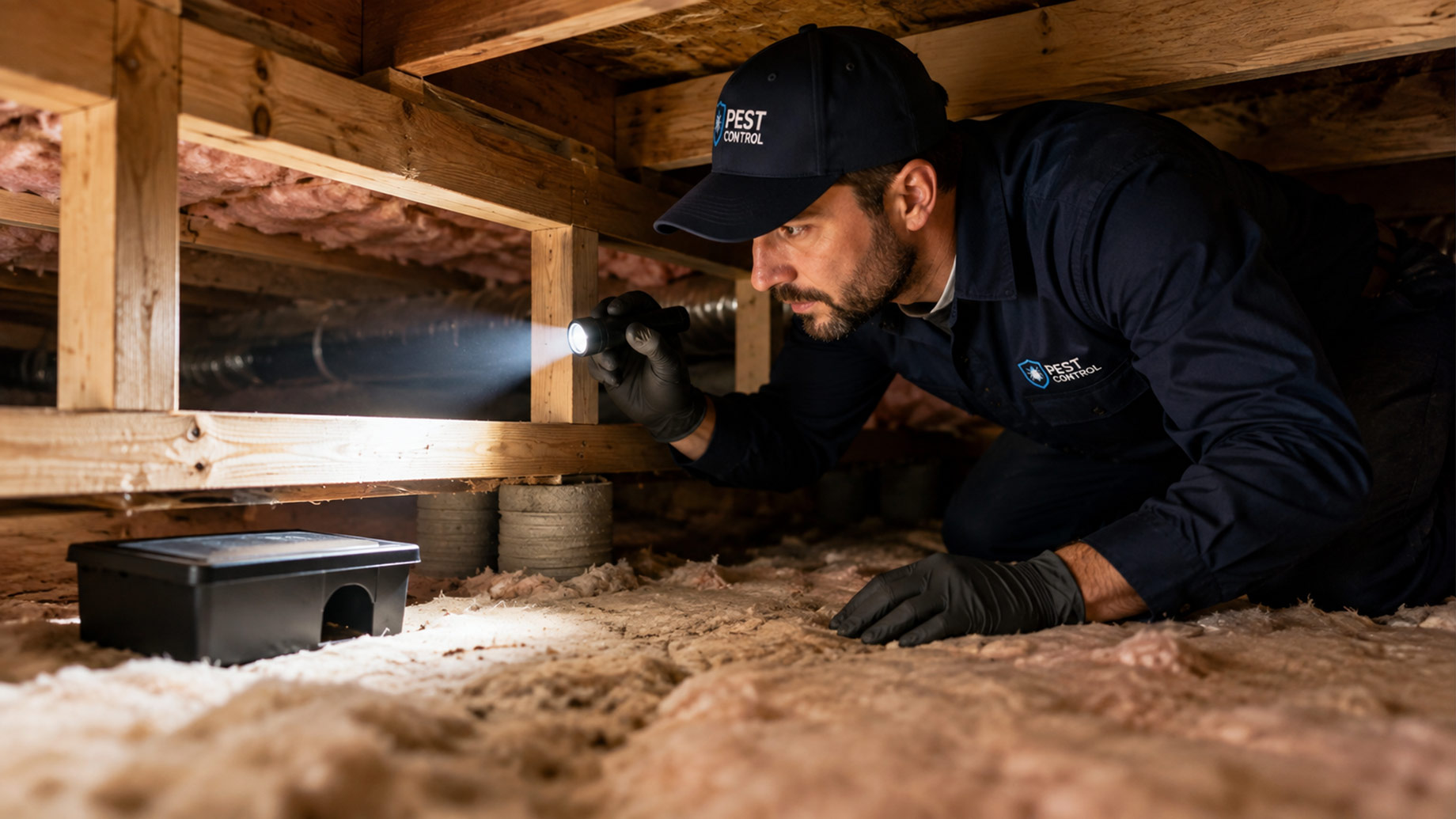
Large homes offer space, comfort, and privacy, but they also create hidden opportunities for pests to settle in unnoticed. When a property spans multiple bedrooms, entertainment areas, basements, wine rooms, attics, garages, and guest suites, it becomes far more difficult to keep a consistent eye on every corner. Pest activity that would be spotted quickly in a smaller home can go undetected for weeks or even months in a sprawling one. This is why a room-by-room monitoring approach matters more as square footage increases, and why many homeowners eventually turn to a structured plan rather than relying on occasional spot checks.
The Challenge of Monitoring Expansive Properties
The larger the home, the more entry points, moisture zones, and storage areas exist for pests to exploit. A modest house might have one or two vulnerable spaces, but an expansive property often has a dozen or more. Guest suites that sit empty for months, basements used only for storage, and attics that homeowners rarely climb into all become quiet zones where pests can establish themselves without interference.
This isn’t just a matter of inconvenience. Termites, for instance, can cause structural damage over long periods without producing obvious signs until the damage is significant. Rodents can nest in insulation or wall voids for months, breeding steadily while remaining out of sight. Cockroaches and ants often gravitate toward the least-visited parts of a home, particularly areas with residual moisture or forgotten food sources. The scale of a large property means these problems can grow substantially before anyone notices.
Rarely Used Spaces Are the Most Vulnerable
Every large home has sections that see less daily traffic. Wine rooms, for example, are often climate-controlled with stable humidity, conditions that can also support certain pests if not properly sealed and monitored. Garages tend to accumulate boxes, tools, and stored items, all of which create shelter for rodents and insects. Guest suites, especially those used only a few times a year, can develop dust, moisture buildup, or small structural gaps without anyone realizing it.
Attics and basements deserve particular attention. Attics can experience temperature swings and roof-related moisture intrusion, both of which attract pests looking for shelter. Basements often have higher humidity levels than the rest of the house, making them appealing to cockroaches, silverfish, and even termites if wood-to-soil contact exists near the foundation. Because these areas are inspected infrequently, problems can persist far longer than they would in a kitchen or living room. This is one of the clearest reasons Montclair pest control professionals recommend structured inspections for larger properties instead of relying solely on what homeowners happen to notice during daily routines.
Building a Practical Room-by-Room Monitoring Plan
A room-by-room strategy doesn’t need to be complicated, but it does need to be consistent. The goal is to treat each section of the home as its own micro-environment with its own risk factors, rather than assuming a general walkthrough is sufficient. A few key elements should guide this process:
- Moisture checks in basements, bathrooms, laundry rooms, and any area near plumbing lines, since damp conditions attract a wide range of pests.
- Storage inspections in garages, attics, and closets, looking for cardboard, cluttered boxes, or fabric items that rodents and insects often use for nesting.
- Food source reviews in kitchens, pantries, and even guest suites where snacks or unused food items may be forgotten.
- Structural gap assessments around windows, doors, vents, and foundation lines, since even small openings can allow pests to enter.
- Visual signs of activity, including droppings, shed skins, discarded wings, or damaged wood, which often appear before an infestation becomes severe.
Homeowners who walk through each room with this checklist in mind, ideally on a monthly or seasonal basis, are far more likely to catch early warning signs. This is particularly true for larger homes where problems in one wing may not be visible from another.
Why Larger Properties Benefit From Professional Oversight
While homeowners can manage basic monitoring, larger properties often require a more comprehensive approach than a single person walking through can provide. Multiple structures, expansive attics, and finished basements all introduce complexity that benefits from trained observation. Pest control professionals are equipped to identify subtle signs that untrained eyes might miss, such as the specific texture of termite mud tubes or the faint scent associated with certain rodent infestations.
According to general pest management industry guidance, early detection significantly reduces both the cost and scope of treatment. This holds especially true in larger homes, where a delayed discovery in an unused guest suite or storage room can allow a colony or infestation to expand considerably before it’s addressed. A seasonal professional inspection, paired with the homeowner’s own room-by-room checks, creates a layered system of awareness that catches problems from multiple angles.
Seasonal changes also play a role. Rodents often seek shelter indoors as temperatures drop, while termites may become more active during warmer, humid months. A monitoring plan that accounts for these shifts, rather than treating pest prevention as a one-time task, tends to be far more effective over the long run.
Final Analysis
Large homes demand a different level of attention than smaller properties, simply because there is more space for pests to hide and more time for problems to develop unnoticed. A room-by-room monitoring strategy, one that accounts for moisture, storage habits, food sources, and structural vulnerabilities, gives homeowners a realistic way to stay ahead of potential infestations. Pairing this consistent, room-specific awareness with periodic professional inspections offers the most reliable way to protect a sprawling property from the kind of hidden pest activity that often goes unnoticed until it becomes a significant issue.
