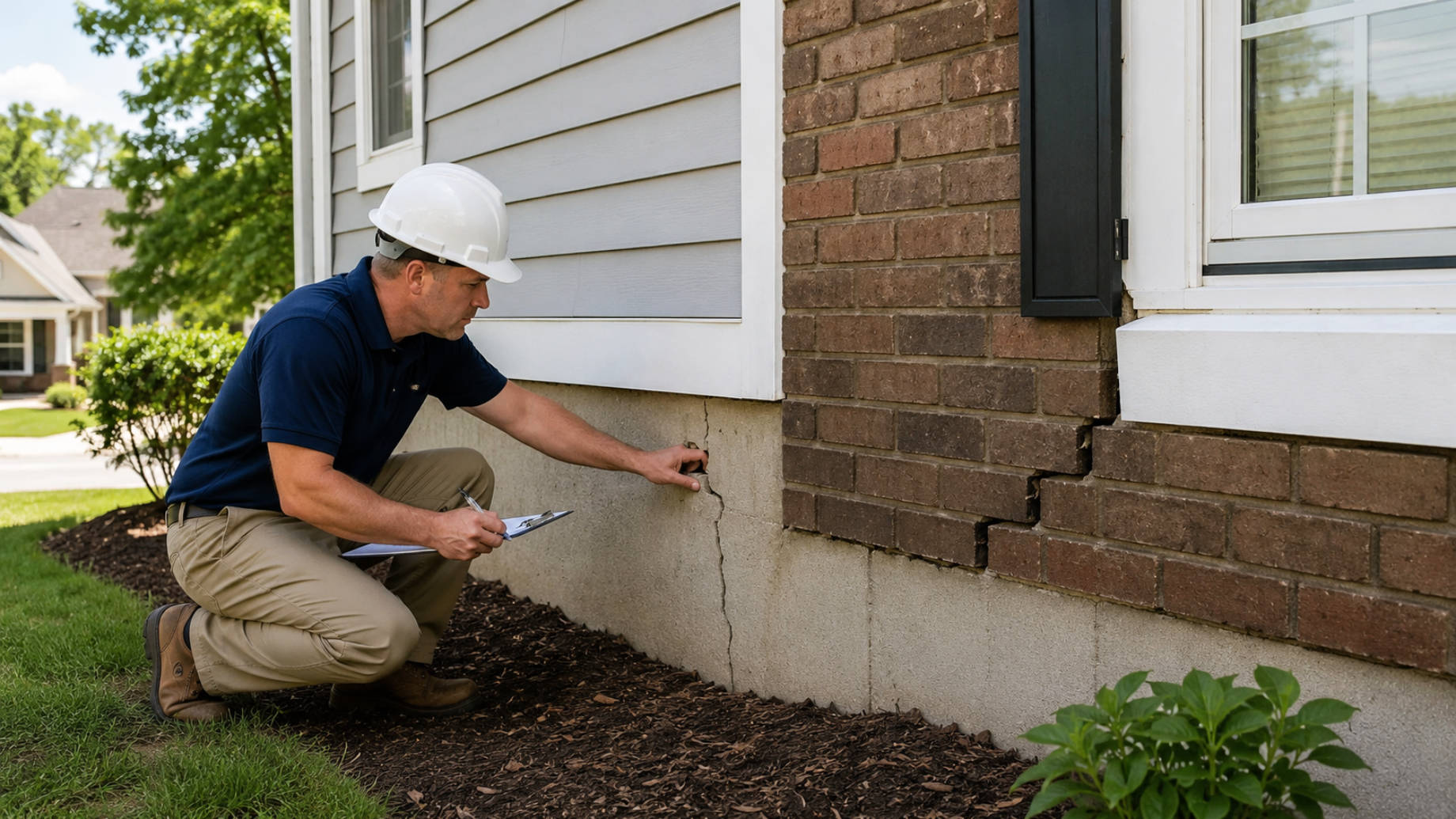
A home’s foundation supports the entire structure above it. When foundation problems develop, they can affect nearly every part of the property, from walls and floors to plumbing systems and roofing components. While some homeowners hope small cracks or shifting signs are merely cosmetic, foundation issues often worsen over time if left unaddressed.
Because these problems typically develop gradually, it can be tempting to postpone repairs or assume the situation is not urgent. In reality, delaying action can allow structural damage to spread and repair costs to increase significantly. That’s why it’s so important to contact a foundation repair specialist right away if you know or suspect there is a problem.
The Foundation Supports the Entire Structure
The foundation is responsible for distributing the weight of the home evenly into the ground below. When the foundation shifts, settles unevenly, cracks, or weakens, the structural balance of the property can become compromised.
Even relatively small foundation changes may affect how other parts of the home align and function. Doors may stop closing properly, floors may slope, windows may stick, and cracks may begin appearing throughout the interior.
As the structural movement continues, stress often spreads into other portions of the house. What initially appears to be a small foundation issue can gradually affect multiple systems throughout the property. This is one reason foundation problems rarely remain isolated over the long term.
Foundation Damage Often Gets Worse Over Time
Unlike some home maintenance issues that remain stable for years, foundation problems frequently progress if the underlying cause is not addressed. Soil movement, drainage problems, moisture intrusion, and structural pressure continue affecting the foundation unless corrective measures are taken. Seasonal weather changes may also worsen shifting or expansion problems over time.
As movement increases, cracks may widen, floors may become more uneven, and structural stress may spread further throughout the home. Early repairs are often less invasive and less expensive than waiting until the damage becomes severe, and delaying action usually allows the problem to become both structurally and financially larger.
Small Warning Signs Can Signal Larger Problems
Many homeowners first notice foundation issues through relatively subtle symptoms. Hairline wall cracks, sticking doors, uneven flooring, gaps around windows, or separated trim may not initially seem alarming. However, these symptoms sometimes indicate underlying structural movement occurring beneath the home.
Exterior warning signs can include stair-step brick cracks, leaning chimneys, visible foundation cracks, or separation between walls and attached structures.
Naturally, not every crack automatically means catastrophic foundation failure. Homes naturally settle somewhat over time. The key issue is whether movement appears ongoing, uneven, or progressively worsening. Professional evaluation helps distinguish ordinary settling from more serious structural concerns.
Property Value Can Decline Significantly
Foundation problems can also affect a home’s marketability and long-term value. Many buyers are understandably cautious about purchasing homes with unresolved structural issues. Mortgage lenders and insurance companies may also raise concerns depending on the severity of the damage.
Even relatively moderate foundation issues can complicate inspections, negotiations, or financing during a future sale. That said, addressing problems early and maintaining proper documentation of professional repairs often helps preserve property value much more effectively than postponing action. A repaired foundation issue is typically viewed more favorably than an unresolved one that continues worsening over time.
Professional Inspection Is Extremely Important
Because foundation problems can involve multiple potential causes, professional evaluation is critical. Foundation specialists, structural engineers, or experienced contractors can assess whether movement is minor, moderate, or severe and help determine the underlying source of the issue. This evaluation may include measuring cracks, inspecting drainage conditions, evaluating soil movement, and examining structural alignment throughout the home.
Professional assessment also helps homeowners avoid both overreacting to harmless cosmetic settling and underestimating serious structural concerns. An accurate diagnosis is essential because effective repairs depend heavily on addressing the actual cause of the movement.
Repair Methods Vary Depending on the Problem
As you may expect, foundation repair is not a one-size-fits-all process. Some homes may only require drainage improvements or moisture management corrections. Others may need pier systems, underpinning, crack repair, structural reinforcement, or slab stabilization techniques. The appropriate repair strategy depends on factors such as soil conditions, foundation type, severity of movement, and the underlying cause of the damage. A trustworthy professional should explain the reasoning behind recommended repairs rather than immediately pushing the most aggressive or expensive option available. Just keep in mind that long-term stability matters more than cosmetic fixes alone.
Addressing Foundation Problems
Foundation problems are important because they affect the structural integrity, safety, value, and long-term stability of the entire home. What may begin as a small crack or uneven floor can gradually expand into broader structural and financial challenges if ignored for too long. The most important step is obtaining a professional evaluation early when warning signs first appear; early intervention often leads to simpler, more affordable solutions and helps prevent larger structural complications down the road.
