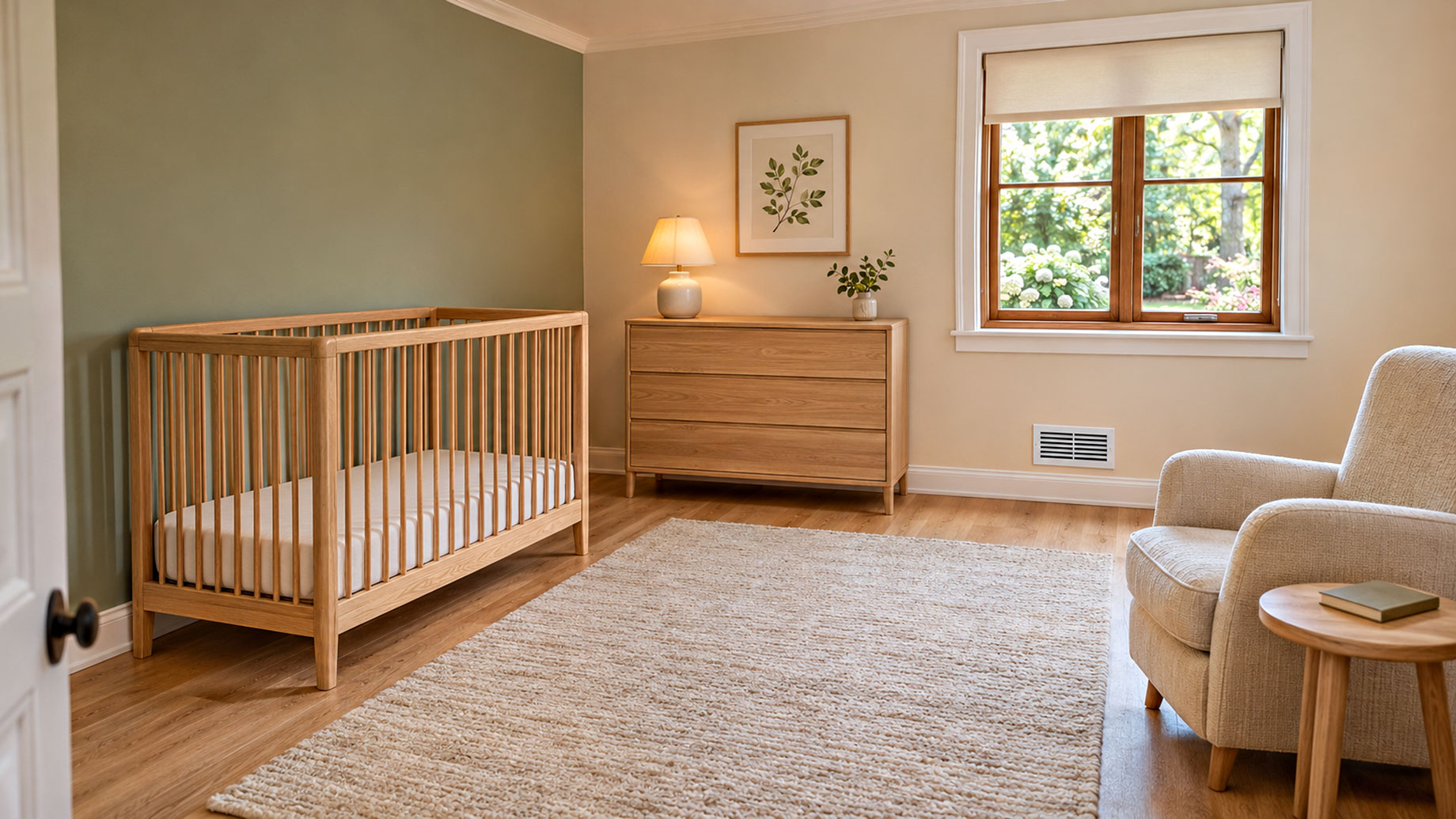
Preparing a nursery is one of the most exciting milestones for expectant parents. From selecting cribs to choosing paint colors, transforming a rarely used guest bedroom or storage space into a cozy haven for a newborn brings immense joy. However, spare rooms that have sat unused for months or years often harbor hidden issues. Parents often focus heavily on aesthetic choices and nursery furniture while unintentionally overlooking basic indoor environmental factors like dusty textiles, blocked supply vents, stagnant air, and significant temperature variances.
A room that feels comfortable enough for occasional guest visits may present unseen challenges for a infant whose lungs and thermoregulation systems are still developing. Preparing early allows you to address structural, environmental, and layout details well before the baby arrives, ensuring the room is not just visually appealing, but truly healthy, safe, and comfortable around the clock.
Preparing the Nursery Space Well in Advance
Starting your nursery preparation months before your due date provides the necessary buffer to handle unexpected repairs, deep cleaning, and spatial adjustments without added stress. Unused spare rooms frequently accumulate dust, humidity, and stale air, requiring more than a surface-level wipe-down to make them infant-ready. Beginning early allows paint, new carpets, and fresh furniture time to properly off-gas organic compounds before the baby spends extended periods inside.
It also gives you ample opportunity to evaluate how light and temperature shift throughout the day across different seasons. Taking the time to clear out stored belongings, wash stored window treatments, and inspect window seals early prevents frantic last-minute fixes right before your baby’s arrival.
Evaluating Airflow and Inspecting Vent Condition
Proper ventilation and clear airflow are crucial when converting an underutilized room into a nursery. Spare bedrooms often have air vents blocked by stored boxes, old furniture, or heavy drapes, restricting proper heating and cooling circulation. Before moving cribs or dressers into place, inspect every supply and return vent to ensure they are open, clean, and unobstructed.
Take a flashlight and look directly inside the grilles; if you notice heavy build-up or visible debris near the opening, contacting professional local air duct cleaners in Windermere, FL can clear out stubborn buildup before your infant moves in. While routine duct cleaning is not an absolute requirement for every home, investigating visible dust inside vents ensures cleaner air circulates freely throughout the entire room.
Balancing Temperature Variances and Insulation Concerns
Spare bedrooms situated at the end of HVAC runs or above garages frequently suffer from noticeable temperature differences compared to the rest of the home. Newborns are particularly sensitive to ambient temperature changes because their bodies cannot regulate heat as efficiently as adults. Spend a few days monitoring the nursery’s temperature during both peak afternoon sun and late-night hours using a reliable room thermometer.
Drafty windows, poor attic insulation, or uninsulated exterior walls can create cold spots or trap excessive heat, making the space uncomfortable. Installing thermal blackout curtains, sealing window gaps with weatherstripping, or adjusting home thermostat registers helps maintain a steady, comfortable environment suitable for sleep.
Arranging Furniture Around Circulation and Safety
Where you place furniture inside the nursery directly impacts both safety and overall air quality. A common mistake is pushing bulky dressers, changing tables, or cribs directly against air vents or radiators, which disrupts airflow and causes uneven heating. Keep the crib positioned along an interior wall away from direct window drafts, heating units, and hanging blind cords.
Ensure supply vents remain completely unobstructed so fresh air circulates evenly across the entire bedroom. Leaving a few inches of clearance between large furniture pieces and walls also prevents dust buildup and allows for easier cleaning routines once the baby is home.
Selecting Safe Decorative Paints and Low-VOC Finishes
Refreshed walls and new furniture bring life to a nursery, but chemical fumes from paints and synthetic materials can compromise indoor air quality. Traditional paints and varnishes release Volatile Organic Compounds (VOCs) that linger in enclosed spaces long after application. Opt for zero-VOC or low-VOC interior paints, sealants, and finishes to minimize off-gassing and harsh lingering odors.
Complete all painting, wallpapering, and furniture assembly several weeks before the baby moves into the room, keeping windows open to allow continuous ventilation. This preparation window guarantees that fumes dissipate completely, leaving behind a fresh, clean environment for your newborn.
Deep Cleaning Dusty Textiles and Hidden Surfaces
Spare rooms typically act as catch-all storage areas, accumulating dust in carpets, heavy curtains, upholstered furniture, and closet corners. Before moving nursery essentials inside, conduct a deep clean of all soft textiles and hidden surfaces. Steam clean existing carpets or area rugs, wash closet shelves, and launder or replace old window drapes that trap allergens.
Wipe down baseboards, ceiling fan blades, and light fixtures where dust quietly settles over time. Eliminating trapped dust and allergens from every surface ensures your infant breathes clean, fresh air from their very first night in the room.
Establishing an Ongoing Nursery Maintenance Routine
Once the nursery is clean, decorated, and furnished, maintaining a consistent cleaning routine keeps the space healthy for the long term. Regularly check and replace your home’s central HVAC air filters every 60 to 90 days to capture airborne particles effectively. Vacuum carpets with a HEPA-filtered vacuum twice a week and dust flat surfaces with damp microfiber cloths to prevent dust accumulation.
Keep air vents clear of toys, laundry hampers, or decorative pillows as the space evolves. Consistent, simple maintenance ensures the nursery remains a safe, comfortable, and healthy sanctuary throughout your baby’s growth and development.
Frequently Asked Questions (FAQs)
How early should we start converting a spare room into a nursery?
It is best to start preparing the nursery around the fourth or fifth month of pregnancy (between 16 to 20 weeks). Starting early allows plenty of time to paint, assemble furniture, deep clean, and allow paint fumes and new furniture materials to off-gas completely before the baby arrives.
Is professional air duct cleaning necessary before bringing a baby home?
Air duct cleaning is not a routine requirement for every nursery. However, if you inspect your vents with a flashlight and notice visible debris, mold growth, heavy dust accumulation, or if the home recently underwent major renovations, having the ducts professional cleaned and inspected is a beneficial step.
What is the ideal temperature for a baby’s nursery?
The recommended room temperature for a nursery is generally between 68°F and 72°F (20°C to 22°C). Maintaining a steady, comfortable temperature helps reduce the risk of overheating and promotes safer, more comfortable sleep for newborns.
How can I improve airflow in a room that feels stuffy or drafty?
Ensure all supply and return vents are fully open and unblocked by furniture or rugs. Using a quiet ceiling fan running on low (in a clockwise direction during winter or counter-clockwise in summer) or an indoor air purifier can help circulate air without creating harsh drafts directly over the crib.
Are low-VOC paints really necessary for nursery decoration?
Yes, using low-VOC or zero-VOC paints is strongly recommended. These paints contain fewer volatile organic compounds, significantly reducing harmful chemical off-gassing and lingering odors, which creates a safer indoor breathing environment for sensitive newborn lungs.
Conclusion
Transforming an unused spare bedroom into a nursery involves far more than picking out crib bedding and wall decor. Prioritizing environmental checks such as inspecting vent grilles for debris, balancing room temperature, arranging furniture to support natural airflow, and choosing low-emission decorating materials ensures your baby’s space is both beautiful and healthy. By starting your preparations early and addressing hidden dust, insulation gaps, and air circulation issues, you create a calm, clean, and safe sanctuary where your baby can rest and thrive.
