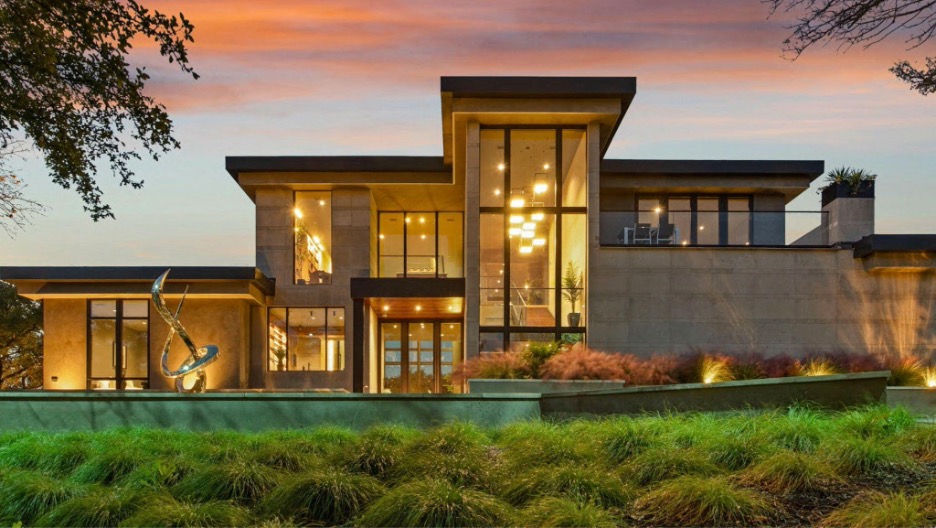
Luxury homes are often associated with impressive architecture, premium materials, desirable locations, and carefully designed living spaces. While these visible features attract attention, they rarely tell the full story. Behind many luxury properties are financial habits and long-term decisions that receive far less attention than the homes themselves.
Although every homeowner’s situation is different, many individuals who purchase and maintain high-end properties tend to share several common financial characteristics. These habits often help create the stability required to acquire valuable assets while continuing to grow wealth over time.
They Focus on Long-Term Wealth Building
One of the most consistent traits among financially successful homeowners is a long-term perspective. Rather than concentrating solely on short-term gains, they often make decisions based on how those choices may affect their financial position years or even decades into the future.
This approach influences everything from investment strategies to property purchases. A luxury home is frequently viewed as one component of a broader financial picture rather than an isolated achievement. Decisions are often evaluated based on sustainability, risk management, and long-term value creation.
Individuals who maintain this mindset tend to avoid making major financial decisions based solely on temporary market movements or emotional reactions.
They Understand the Difference Between Income and Wealth
High income and long-term wealth are not necessarily the same thing. Many luxury homeowners recognize that earning money is only part of the equation. Preserving and growing assets often requires disciplined planning, investment management, and thoughtful decision-making.
This distinction helps explain why some individuals continue building wealth even during uncertain economic periods. Rather than focusing exclusively on what they earn, they pay close attention to how capital is allocated and how assets contribute to their overall financial goals.
As wealth grows, the emphasis frequently shifts from generating income alone to managing resources efficiently and protecting long-term financial flexibility.
They Rely on Systems Rather Than Impulses
Successful investors and business owners often develop processes that reduce emotional decision-making. Whether evaluating investment opportunities, business expansion plans, or major purchases, they typically rely on frameworks that help them assess risk and potential outcomes objectively.
This preference for structured analysis is one reason many investors seek tools that help organize information and identify opportunities using consistent criteria. Platforms such as https://www.vectorvest.com/ are built around the idea that disciplined evaluation can support more informed investment decisions than reactions driven purely by market sentiment.
The principle extends beyond investing. Financially successful individuals frequently apply systematic thinking across multiple areas of their lives, helping them make decisions more consistently over time.
They Prioritize Asset Growth

Luxury homeowners often understand that assets can play different roles within a financial strategy. Some assets generate income, some provide growth potential, and others offer stability or diversification.
Because of this, many focus on building a collection of assets that work together rather than relying on a single source of wealth. Real estate, businesses, investments, and other holdings may each contribute differently to long-term financial objectives.
This diversified approach can help reduce dependence on any one market or income stream while creating multiple avenues for future growth.
Read more: The Hidden Value of Deep Cleaning in Luxury Home Maintenance
They Think Beyond Immediate Consumption
One characteristic that frequently separates wealth builders from high spenders is the ability to distinguish between purchases that provide short-term satisfaction and decisions that contribute to long-term objectives.
Luxury homeowners often enjoy high-quality experiences and possessions, but many also evaluate how those choices fit into a broader financial plan. Major purchases are typically considered within the context of overall asset allocation, future obligations, and long-term goals.
This perspective allows them to enjoy success while still maintaining focus on future opportunities.
They Continue Learning About Money
Financial markets, tax environments, economic conditions, and investment opportunities constantly evolve. Individuals who maintain significant wealth often recognize that financial education is not a one-time achievement but an ongoing process.
They continue refining their understanding of markets, risk, and asset management throughout their lives. Rather than assuming they already know everything, they remain open to learning, adapting, and improving their decision-making processes.
This willingness to keep learning can become a competitive advantage over time because it helps individuals respond more effectively to changing conditions.
Wealth Is Often Built Through Consistency
While dramatic success stories attract headlines, long-term financial strength is often the result of consistent decisions made over many years. Careful investing, disciplined saving, strategic planning, and thoughtful risk management may not appear exciting on a daily basis, but their cumulative impact can be substantial.
Many luxury homeowners share this commitment to consistency. They understand that significant financial achievements rarely depend on a single decision. More often, they emerge from a series of disciplined choices that compound over time.
The homes themselves may be impressive, but the financial habits behind them often reveal the more valuable lesson. Long-term thinking, disciplined decision-making, continuous learning, and a focus on asset growth are qualities that frequently appear among individuals who build and maintain substantial wealth.