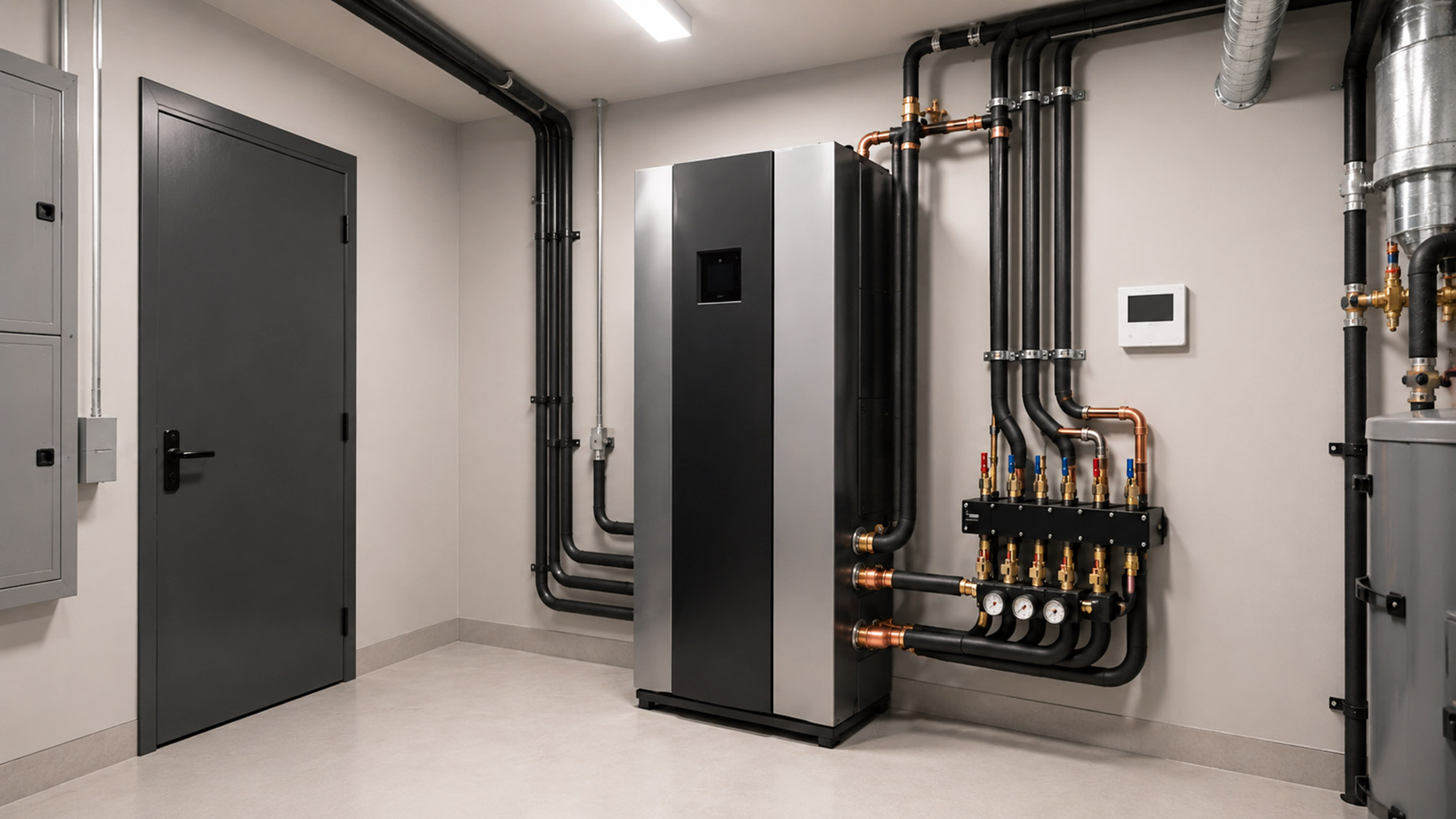
For homeowners focused on long-term comfort, energy efficiency, and sustainable home performance, geothermal HVAC systems can be an excellent investment. They are known for stable operation, reduced energy consumption, and impressive durability compared with many traditional heating and cooling systems. But while geothermal systems are often praised for requiring less frequent attention, they are not maintenance-free.
Like any major home system, geothermal equipment still depends on proper upkeep and timely service. When issues go unnoticed or routine maintenance is delayed, even a highly efficient system can lose performance over time. Homeowners may begin to notice uneven temperatures, increasing utility costs, or longer run times without realizing that a repair issue is developing behind the scenes.
Understanding how geothermal systems work, what warning signs to watch for, and how to protect system performance can help homeowners get the most from their investment. And when something does go wrong, professional geothermal repair is often the key to restoring efficiency before a small issue becomes a much larger one.
Why Geothermal Systems Appeal to Modern Homeowners
Geothermal HVAC systems have become increasingly attractive to homeowners who want both comfort and efficiency. Unlike conventional systems that exchange heat with outdoor air, geothermal systems transfer heat to and from the ground, where temperatures are much more stable throughout the year.
This allows geothermal units to operate with less strain during both hot summers and cold winters. The result is often:
- Lower monthly energy costs
- More consistent indoor comfort
- Quieter operation
- Reduced environmental impact
- Long-term system value
For homeowners building, renovating, or upgrading a property, geothermal can be particularly appealing because it supports a more efficient and future-focused home. In many cases, these systems also complement broader goals related to sustainability, energy savings, and property value.
However, performance depends on the system being kept in proper working condition. Even though geothermal units are efficient by design, they are still mechanical systems with components that wear over time.
How a Geothermal HVAC System Works
A geothermal system works by moving heat rather than generating it in the same way a furnace does. In colder months, the system pulls heat from the ground and brings it into the home. In warmer months, it removes heat from the home and transfers it back into the earth.
The system usually includes several key components:
- A ground loop system
- A heat pump
- An air handler
- A blower
- Thermostat controls
- Pumps and electrical components
Because underground temperatures remain relatively stable, the system can heat and cool more efficiently than many air-based alternatives. But this also means diagnosis and repair require a provider who understands not just general HVAC principles, but the specific operating behavior of geothermal equipment.
Signs a Geothermal System May Need Attention
Many homeowners assume that if a geothermal system is still turning on, everything must be fine. In reality, performance issues often appear gradually. Catching these signs early can prevent more expensive repairs later.
Rising energy bills
One of the most common early warnings is a utility bill that begins trending upward without a clear explanation. If a geothermal system is no longer running efficiently, it may be using more energy to deliver the same level of comfort.
Uneven indoor temperatures
If some rooms feel too warm while others stay cool, or if your system struggles to maintain the set temperature, there may be an issue with airflow, controls, or system output.
Strange noises
Geothermal systems are typically quieter than traditional HVAC systems. New rattling, humming, grinding, or repeated clicking sounds can indicate a mechanical or electrical issue.
Longer run times
When a system has to run longer than usual to heat or cool the home, that often signals declining efficiency. The system may still be working, but not at the level it should.
Reduced airflow
Weak airflow from vents can point to issues with the blower, duct system, filters, or internal components that support comfort distribution throughout the home.
Why Prompt Repairs Matter
A common mistake homeowners make is postponing service because the system has not fully stopped working. But delayed HVAC repairs almost always lead to greater costs over time.
When one part of the system struggles, other components often have to work harder to compensate. That extra strain can shorten equipment life and increase the chance of secondary failures. What starts as a manageable repair can gradually turn into a more expensive and disruptive problem.
Prompt service matters because it can:
- Restore efficiency sooner
- Prevent additional wear
- Improve comfort consistency
- Reduce the chance of emergency breakdowns
- Preserve the long-term value of the system
This is especially important with geothermal systems, where homeowners typically expect many years of dependable service. Protecting that lifespan starts with responding early when performance changes appear.
Maintenance Is Essential Even for High-Efficiency Systems
One reason geothermal systems have such a strong reputation is that they are designed for long-term performance. But long-term performance does not happen automatically. Routine maintenance is still essential.
A professional maintenance visit may include:
- Inspecting filters and airflow
- Checking thermostat function
- Reviewing blower performance
- Examining electrical connections
- Testing system operation
- Evaluating heat pump performance
- Identifying early signs of wear
These appointments help catch issues before they interfere with comfort. They also give homeowners a better understanding of how the system is performing overall.
Skipping maintenance can slowly reduce one of geothermal’s biggest advantages: efficiency. A system that was once delivering strong energy savings may lose that edge if service needs are ignored.
Repair Problems Are Not Always Obvious
One of the challenges with geothermal systems is that symptoms do not always point directly to the root cause. A homeowner may notice temperature inconsistency and assume the thermostat is faulty, when the real problem is related to circulation, blower performance, or another internal issue.
That is why accurate diagnosis matters. Instead of focusing only on visible symptoms, a qualified technician should evaluate system performance as a whole. This allows the actual cause of the issue to be addressed rather than just the most obvious effect.
For homeowners, this means it is important to work with a provider who understands geothermal systems specifically, not just general heating and cooling service.
Geothermal Efficiency and Home Value Go Hand in Hand
Today’s homeowners are looking more closely at how their homes perform over time. Efficiency is no longer seen as just a nice feature. It is part of overall home value.
A well-maintained geothermal system can support:
- Lower long-term operating costs
- Better indoor comfort
- Stronger resale appeal
- Reduced dependence on less efficient systems
- A more modern and environmentally responsible home profile
But if the system begins underperforming and stays that way, those advantages can start to fade. The home may still have geothermal installed, but the actual living experience and cost savings may no longer reflect its full potential.
That is why maintenance and repair should be viewed as part of protecting the property itself, not just fixing equipment.
Choosing the Right HVAC Professional
Not every HVAC company is equally equipped to evaluate and repair geothermal systems. Because this technology works differently from conventional heating and cooling equipment, experience matters.
Homeowners should look for a provider who can:
- Explain problems clearly
- Diagnose the full system, not just one component
- Recommend practical repair options
- Focus on efficiency as well as immediate function
- Communicate honestly about repair versus replacement when needed
A trustworthy service partner helps homeowners make better long-term decisions instead of simply reacting to short-term issues.
Repair Versus Replacement: What Homeowners Should Consider
When geothermal systems begin having problems, homeowners often wonder whether repair still makes sense or whether replacement should be considered. The answer depends on the age of the system, the type of issue involved, and whether repair problems are becoming frequent.
In many cases, a targeted repair is the right choice, especially if the system has otherwise been performing well. But if breakdowns are happening more often or if efficiency has dropped substantially, a broader conversation may be appropriate.
The important thing is that homeowners receive transparent guidance. They should understand:
- What is wrong
- What the repair will accomplish
- How likely future issues may be
- How system age affects the decision
- Whether overall performance is still strong
That kind of clarity leads to smarter investments and less uncertainty.
Final Thoughts
A geothermal HVAC system can be one of the most efficient and valuable comfort systems a homeowner installs. But like any major home investment, it needs proper attention to continue performing at a high level.
Routine maintenance, fast action when warning signs appear, and support from a qualified professional can all help preserve efficiency, comfort, and reliability. Homeowners who stay proactive are far more likely to enjoy the full benefits geothermal systems are meant to provide.
