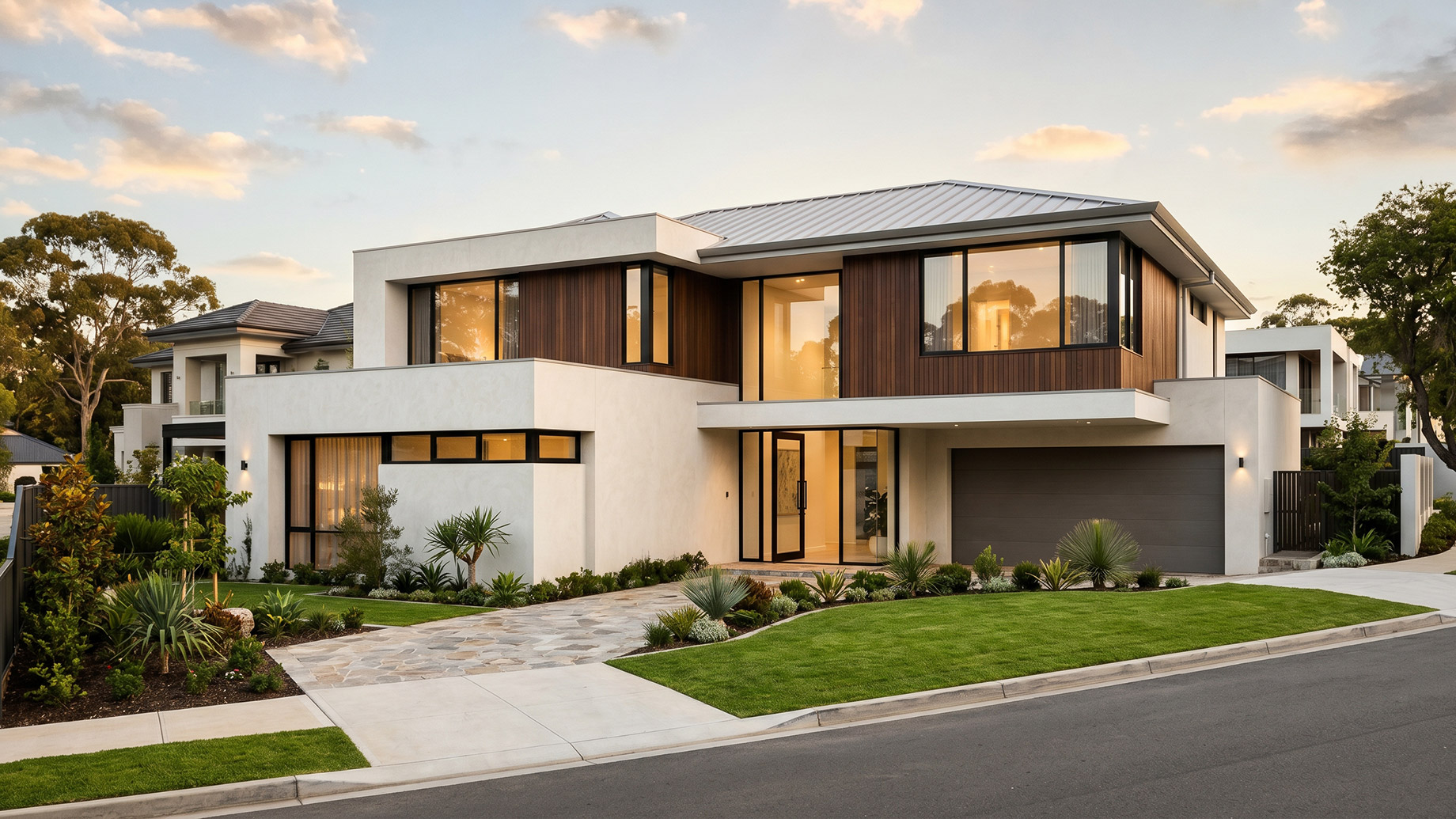
You need to know the stages of building a house when you’re planning your dream home. The construction phase takes between 16 to 24 weeks to complete, though builds can extend from 5 to 12 months depending on complexity. Each construction stage comes with specific milestones and inspections that require progress payments throughout the house building process.
Finding the right home builders Melbourne residents trust is one of the most important decisions you’ll make before breaking ground. We’ve created this detailed guide to walk you through the construction stages, from site preparation and slab pouring to the final handover. You’ll learn what happens during each phase and when inspections occur. The steps in building a house connect to create your finished home.
Understanding the House Building Process Timeline
How Long Does the Construction Process Take
The average Australian house takes 4 to 12 months to build once you purchase land and finalise the design. A quality home with two storeys takes 10 to 12 months as the norm. Custom-built homes need more time and average 12 months for completion with few delays. Complex custom builds can extend from 12 to 24 months though.
Single-storey homes move faster through construction stages. A standard single-storey design with no modifications built on flat land takes 18 weeks on average, about 4.5 months. Double-storey homes need 24 weeks or 6 months on average. These timeframes assume no delays from weather or post-contract variations.
Standard volume-built homes with fixed floor plans finish faster than custom or semi-custom designs. Builders who have constructed project homes repeatedly benefit from optimised processes and bulk material ordering. This accelerates the timeline.
Key Factors That Affect Build Duration
Weather is one of the most important uncontrollable factors. Rain can halt earthworks, bricklaying and concreting. Worksites become inaccessible. Hot weather also causes delays. Builders are encouraged to stop work when temperatures hit 35 degrees or during high humidity periods.
Soil conditions affect both timeline and cost. Soil testing determines what foundation materials and designs you need. More reactive soil demands additional stabilisation measures and adds time to the build. Blocks that need levelling or retaining walls extend the construction process further.
Council approvals consume weeks or months depending on local regulations. Objections from neighbours, heritage overlays and environmental restrictions prolong approval times. Sites that need tree removal permits or geotechnical surveys for flood-prone areas face additional delays.
Material availability and labour shortages affect progress. Supply chain issues can delay builds if you don’t plan for materials in advance. The shortage of skilled tradespeople creates scheduling challenges across many trades.
Design changes during construction create the most avoidable delays. Even small modifications affect electrical wiring placement and need rescheduling tradespeople. Relocating a power point is one such example.
Progress Payments and Inspection Points
Progress payments are arranged with defined construction stages rather than arbitrary percentages. Payments occur at base, frame, lock-up and fixing stages when each phase completes according to contract terms. Standard schedules allocate 10% at base stage, 15% at frame stage, 35% at lock-up stage and 25% at fixing stage for contracts building all stages.
Inspections occur at critical points when elements remain visible before subsequent work conceals them. Pre-slab inspections verify piers, steel and formwork before concrete pours. Frame stage inspections check structural framework for compliance with Australian Standard AS 1684. Pre-plaster inspections provide the last chance to examine walls and roof framing before covering. Final handover inspections identify all visible defects before you take possession.
Early Construction Stages: Foundation and Framework
Site Preparation Stage
Site preparation begins with soil testing through borehole analysis. This determines ground reactivity and load-bearing capacity. Soil classification influences footing design and slab specifications. Reactive soils require deeper piers or specialised slabs. Builders conduct contour surveys after land registration and confirm service availability for water, sewer, stormwater, electricity and gas connections.
Physical works include clearing vegetation and cutting and filling to establish the building platform. Site access is created. Sloping blocks may require retaining walls or engineered fill to manage level changes. Temporary erosion controls are installed to prevent runoff onto neighbouring properties. The site undergoes inspections for footing excavation and pier placement before formal construction begins.
Slab Stage (Base)
Surveyors complete the peg-out phase. They place reference pegs connected with string to mark the foundation footprint. Excavators create the rough outline. Plumbing contractors then dig trenches and install underground drainage and pipework beneath where the slab will sit.
Wooden or steel formwork panels are assembled around the pegged outline. A plastic membrane lines them. Polystyrene blocks serve as filler material. Reinforcing steel mesh covers them and plastic risers suspend it. Concrete is poured and agitated to eliminate air pockets. It’s then screeded for a smooth finish. Single-storey slabs require at least one week to cure before underground service connections commence.
Frame Stage
Wall frames consist of upright beams joined by noggins. This creates sturdy structures for external wrapping and internal plasterboards. Frame construction takes about one day for single-storey homes and two to five days for double-storey builds based on complexity.
Windows and external doors are installed during or right after framing. Double-storey homes include floor joists and chipboard flooring for the second level. The electrical fuse box becomes incorporated into the frame structure. It was previously mounted on a temporary pole.
Lock-Up Stage
Lock-up marks the point when your home becomes weatherproof and secure. External wall cladding or brickwork is completed. Building wrap is installed and fascia and soffits are fixed. All windows and external doors are secured, though builders often use temporary lockable doors to prevent damage to final fixtures.
Roof covering, tiles or metal sheeting and gutters are installed. Internal rough-in work begins. Electricians run cables and plumbers install pipes before plasterboard covers the framework. Insulation is fitted throughout walls and roof spaces.
Interior Development and Finishing Stages
Fixing Stage
After lock-up, internal plaster covers walls and ceilings. This creates smooth surfaces ready for finishing. Architraves frame doorways while skirting boards connect walls to floors and conceal expansion gaps. Internal doors are hung. Cabinetry installation transforms kitchens and bathrooms into functional spaces.
Tiling happens at this phase. You need to think about durability, maintenance requirements and aesthetic appeal for each room. Floor coverings include timber, carpet or vinyl. Selection depends on room-specific needs. A 20% progress payment becomes due when the fixing stage completes.
Completion Stage (Fit-Off)
Painting begins on walls, ceilings, trims and exteriors. Your colour selections come to life. Electricians return to install power points, light switches and fixtures. This completes the electrical work started earlier. Plumbers fit taps, showerheads, toilets and sink connections. All plumbing installations are finalised.
Benchtops, shower screens, mirrors and door hardware are installed. Floor coverings are laid as one of the final tasks. This prevents damage from ongoing work. A final progress payment of 15% is due at settlement day and includes any approved variations.
Quality Assurance Throughout Construction
Quality assurance prevents issues before they arise. Structured processes and procedures are implemented throughout construction stages. Inspections happen at various points. They verify that structural elements, electrical systems and plumbing installations meet Australian standards and Building Code of Australia requirements.
Detailed records document every inspection, test result and non-conforming issue. This ensures prompt resolution and accountability. Quality control inspectors conduct assessments at each stage. They catch problems before they escalate and maintain construction integrity.
Final Steps: Handover and Beyond
Practical Completion Inspection
Your builder notifies you 2 to 3 weeks before practical completion. They provide at least 5 business days’ written notice. We recommend you arrange a pre-handover inspection about a week before the nominated date. This gives you a final chance to address remaining problems before official handover.
You and the builder complete a defects document listing minor defects and omissions both parties agree upon during the walkthrough. Both parties must sign this document, and it must state when the contractor will attend to matters. The home must be suitable for occupation as well. This means it functions with power, water and weatherproof protection.
Handover Day Process
The contractor provides copies of outstanding documentation. This includes the practical completion certificate, certificates of inspection, product warranties for installed appliances and reports from service providers. Final payment becomes due once practical completion is reached. You receive keys, garage remotes, manuals and maintenance instructions.
Post-Handover Support and Warranties
Statutory warranties in Australia mandate builders cover major structural defects for six years and non-structural problems for two years. Most contracts include a defects liability period of 13 weeks. Builders address minor defects appearing after handover during this period.
Moving In: What to Expect
Minor settling is normal as materials acclimatise. You may notice small plaster cracks, doors swelling slightly or hairline grout separations. Check all utilities are connected and assemble beds right away. Connect internet services and keep all building documents for future reference.
Conclusion
A new home build requires you to navigate multiple construction stages, each with specific milestones and inspections. Understanding this process helps you manage progress payments, anticipate delays, and communicate with your builder effectively. We’ve covered everything from site preparation to final handover and given you the knowledge to approach your build with confidence. Use this piece as your roadmap. You’ll be better prepared to turn your dream home into reality.
