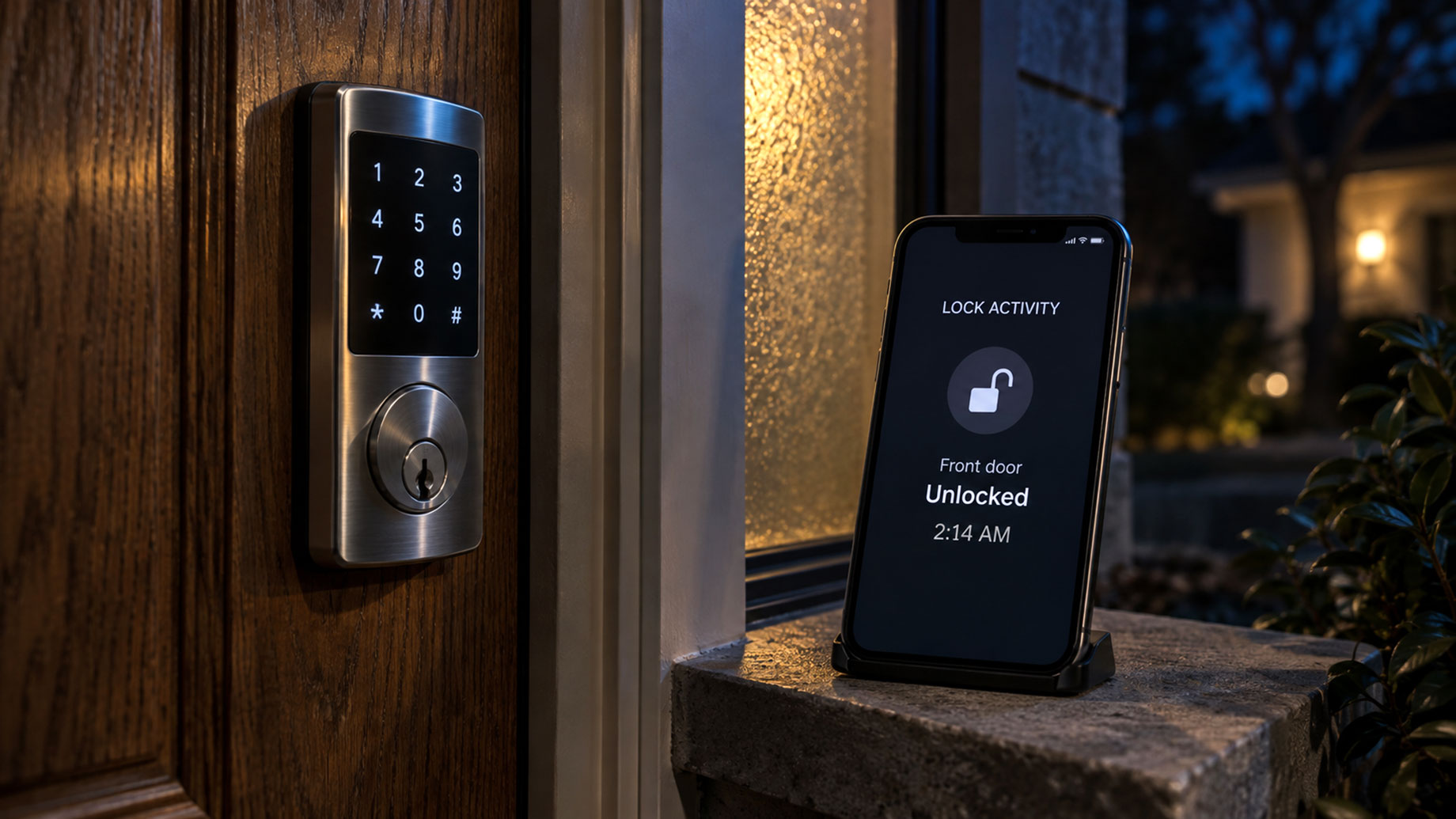
At 2:14 AM, a smart lock records an unlock event. Months later, that single timestamp could become part of a police investigation, insurance dispute, or criminal case. What looks like a routine entry in a homeowner’s app can take on a very different meaning once investigators start asking who had access to the house and when.
Smart locks can create detailed digital records of activity, including timestamps, user credentials, and interactions with connected devices. But those records don’t necessarily tell the whole story on their own.
Understanding what the data shows, how it was collected, and how it should be preserved can become just as important as the timestamp itself.
Hand Over the Log Voluntarily or Make Them Ask
The first fork in the road usually arrives as a friendly request. An officer asks the homeowner to open the app and screenshot the last week of entries. It feels cooperative. It also skips every safeguard the process was built with.
A voluntary export is fast and looks helpful, but it strips context. The app view rarely shows firmware versions, offline events, failed attempts, or the audit trail a forensic examiner would pull from the vendor directly. If the log later turns out to be incomplete or ambiguous, the person who exported it owns that ambiguity.
The alternative is to let the request run through a warrant or subpoena to the vendor. It’s slower, but the record that comes back is the full record, with metadata intact and a clean chain of custody. Before making that call on the porch, most people should talk to a criminal defense attorney, even if no one has been charged with anything yet.
Trust the Timestamp or Challenge It
A smart lock log looks authoritative because it looks like a receipt, and it shouldn’t get that treatment without questions. Whether you’re the prosecution leaning on it or the defense trying to knock it out, the same weaknesses apply.
Security researchers have already shown that popular smart deadbolts can be spoofed, replayed, or knocked offline in ways the owner never sees. A recent USENIX vulnerability study on Master Lock devices is one example among many. That doesn’t make the log worthless. It just makes the log a data point rather than a verdict.
Preserve Everything Now or Lose It Quietly
Cloud logs don’t sit around forever. Retention windows vary by vendor, by subscription tier, and by device. Some keep a rolling 30 days on the free plan, some keep a year, some purge failed-attempt data almost immediately. Deleting the app, changing the account email, or letting a subscription lapse can all trigger cleanup.
If a smart-home record might matter to a case, whether criminal, civil, or a coming insurance fight, the preservation letter goes out early. Write to the lock manufacturer, the hub provider, and any linked platform, and ask them to hold the account data pending legal process. Anyone building a case around IoT evidence learns this the hard way once, and never again.
The homeowner side of this is simpler and often skipped: do not start deleting users, resetting codes, or wiping devices in the days after an incident. It looks like cleanup in the moment and reads like something else in hindsight.
Fight Admissibility or Fight the Story the Log Tells
Defense lawyers face a strategic choice once the log is in discovery. Attack whether it comes in at all, or accept that it will and go to work on what it actually means. The admissibility fight is real but narrower than most people think. Machine-generated records and certified digital evidence have become easier for the government to get in the door, and judges are increasingly comfortable treating a vendor’s business records as authenticated with a custodian’s declaration rather than live testimony. Winning a full exclusion is uncommon.
The narrative fight is usually where cases move, and connected-device records have already reshaped how these arguments get made. An unlock entry logged in the small hours does not, on its own, identify who held the phone, whether the door actually opened, or whether someone was already inside and simply toggled the lock. Cross-examination lives in that space, in the distance between what the log records and what a jury is being asked to infer from it.
Buy the Convenience, Buy the Exposure With It
Homeowners choosing what to install are no longer weighing only convenience against cost. Every connected lock, doorbell, and hub is also a future witness, one that answers subpoenas without asking you first.
That’s not a reason to rip the hardware out. It’s a reason to know what each device retains, how long it retains it, who at the vendor can release it, and which household members have credentials that will show up under their own name in an audit trail. A short conversation with a lawyer before a dispute is far cheaper than one after.
The lock will keep writing its log through the night whether anyone reads it or not. The choices that matter are the ones made before it gets read out loud.
