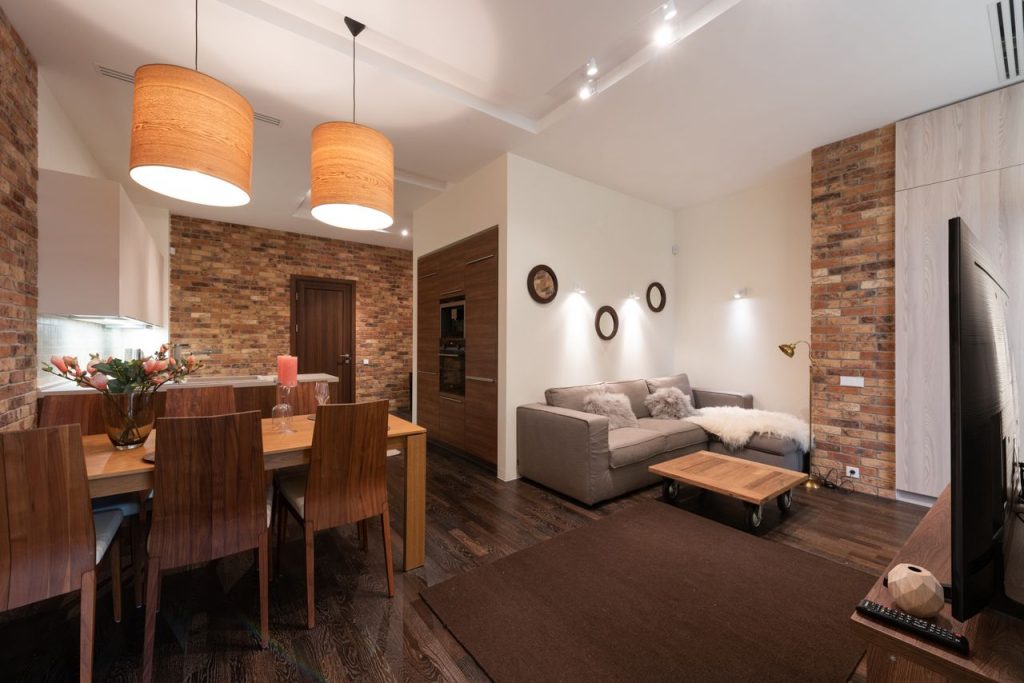
A well-designed home rarely depends on a single source of light. Instead, designers combine different types of lighting to create depth, improve comfort, and highlight the features that make each space unique. Selecting a modern flush mount light as part of a broader lighting plan helps establish a balanced foundation that supports both function and style. When every layer works together, the result is an interior that feels refined throughout the day and into the evening.
The Foundation Begins at the Ceiling
Ceiling lighting provides the base layer for most interiors. It delivers broad illumination that allows people to move comfortably through a space while supporting everyday activities.
Flush mount fixtures are especially valuable because they provide generous light without extending far below the ceiling. Their clean profile suits contemporary homes and spaces where maintaining open sightlines is important.
Starting with reliable overhead lighting creates a strong foundation for every additional design decision.
Task Lighting Supports Daily Life
Every room serves a different purpose, and lighting should reflect those needs. Kitchens benefit from focused illumination over work surfaces, while reading areas need comfortable light that reduces eye strain.
Task lighting makes everyday routines easier without overwhelming the room. Table lamps, desk lamps, under-cabinet fixtures, and adjustable wall lights all contribute to a practical environment.
When task lighting is planned alongside ceiling fixtures, each layer serves a clear purpose.
Read more: How Seasonal Lighting Enhances the Perception of Luxury Homes
Accent Lighting Adds Depth
Accent lighting introduces dimension by drawing attention to architectural details, artwork, shelving, or textured materials. These smaller lighting elements help create visual interest without dominating the space.
Carefully placed accent lights encourage the eye to travel naturally through a room. They also help establish a welcoming atmosphere during the evening when softer lighting often feels more comfortable.
This subtle layer gives luxury interiors much of their character.
Decorative Fixtures Express Personality
Lighting fixtures do more than provide illumination. They also contribute to the overall design language of a home.
A carefully selected pendant, chandelier, wall sconce, or flush mount fixture can reinforce the architectural style while complementing nearby furniture, finishes, and artwork. Materials, shapes, and proportions all influence how a fixture interacts with the surrounding space.
Decorative lighting succeeds when it feels connected to the rest of the interior rather than standing apart from it.
Balance Creates a Comfortable Environment
Layered lighting allows homeowners to adjust the atmosphere throughout the day. Bright illumination supports cooking, cleaning, and entertaining, while softer combinations create a calm setting for relaxing or spending time with family.
Using several light sources also reduces harsh shadows and distributes illumination more evenly across the room. This balanced approach improves both visual comfort and the overall appearance of interior finishes.
A flexible lighting plan helps every space adapt to changing activities.
Lighting Works With Architecture
The best lighting plans respond to the architecture of the home. Ceiling height, window placement, room proportions, and circulation all influence where fixtures should be located.
Designers often study these elements before selecting lighting because placement affects both performance and appearance. A fixture that fits naturally within the architecture contributes to a sense of order throughout the home.
When lighting respects the structure of the space, the design feels complete.
Material Choices Shape the Experience
The finish and material of a lighting fixture influence how it reflects light and how it complements surrounding surfaces. Metal introduces definition, glass creates brightness, and textured materials add warmth and visual richness.
Repeating similar finishes across lighting, hardware, and furnishings creates continuity from room to room. This thoughtful coordination helps luxury interiors feel cohesive without appearing overly matched.
Small material decisions often have a lasting impact on the overall atmosphere.
A Complete Lighting Plan Enhances Every Room
Luxury interiors achieve their strongest results when every layer of lighting works together. Ceiling fixtures establish the foundation, task lighting supports everyday activities, accent lighting introduces depth, and decorative fixtures reinforce the home’s personality.
Rather than treating lighting as a final detail, experienced designers consider it throughout the design process. This thoughtful approach creates interiors that feel welcoming, functional, and visually balanced while allowing architecture, furnishings, and carefully selected finishes to shine.