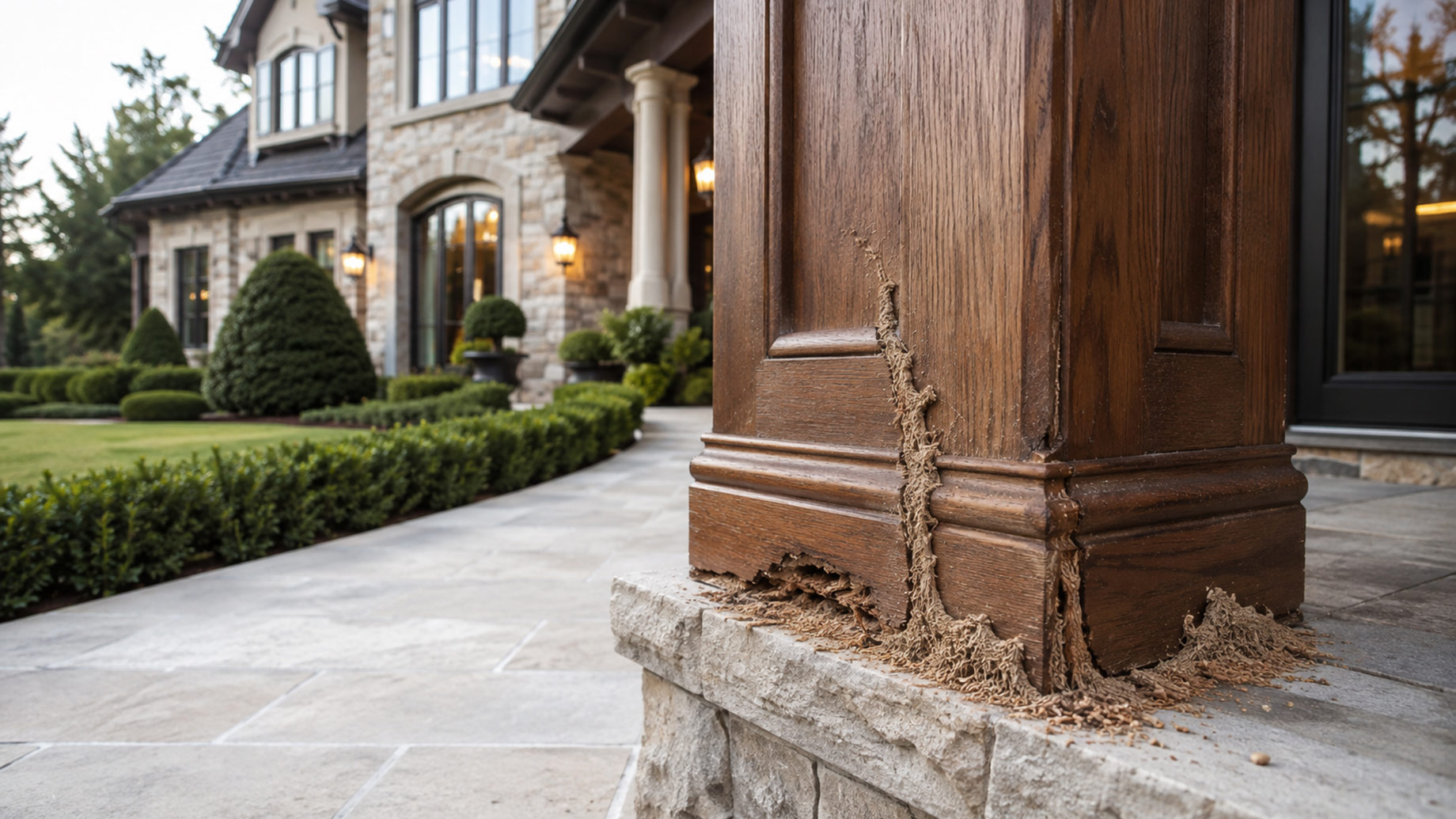
Luxury homes are built to impress, soaring ceilings, imported hardwood, custom cabinetry, and sprawling grounds that rival small parks. Yet the same features that make these properties remarkable also make them vulnerable. Pests do not discriminate based on property value. In fact, larger homes with more square footage, more outbuildings, and more untouched corners often give infestations exactly what they need most: time and privacy to grow before anyone notices.
Homeowners who invest heavily in architectural detail and premium materials sometimes assume that quality construction offers natural protection against pests. It doesn’t. Termites, rodents, carpenter ants, and cockroaches are drawn to shelter, warmth, and moisture, not price tags. Understanding how these pests operate, and where they tend to hide in expansive properties, is the first step toward protecting a significant investment.
Why Size and Seclusion Work Against Luxury Properties
A modest home has fewer places for pests to hide simply because there is less square footage to search. Luxury properties are different. Wine cellars, guest suites, home theaters, finished basements, and multi-car garages create numerous secluded zones that go unused for weeks or months at a time. Detached structures such as guesthouses, pool houses, and outdoor kitchens add even more space that rarely gets the same daily attention as the main living areas.
This seclusion is precisely what allows infestations to establish themselves undetected. A termite colony can work through structural wood for months before visible damage appears, and rodents often nest in insulation or wall voids long before homeowners hear scratching sounds. By the time an infestation becomes obvious, the damage is often already extensive, which is one reason routine pest control inspections matter more on larger properties, not less.
The Real Cost of Damage to High-Value Features
Luxury finishes are expensive to install and even more expensive to repair or replace. Several pests pose particular risk to the elements that define upscale properties:
- Termites feed on structural framing, custom millwork, hardwood flooring, and decorative wood beams, often from the inside out
- Carpenter ants excavate wood to build nests, weakening support beams and trim without necessarily consuming the material
- Rodents chew through electrical wiring, a leading cause of house fires, while also shredding insulation for nesting material
- Cockroaches contaminate wine storage areas, pantries, and kitchen spaces, and can trigger allergic reactions in sensitive individuals
- Wood-boring beetles damage antique furniture and architectural woodwork that may be difficult or impossible to replicate
According to the National Pest Management Association, termites alone cause billions of dollars in property damage annually in the United States, and most standard homeowners insurance policies do not cover this type of damage. For a property with extensive custom woodwork or a temperature-controlled wine room, the financial exposure can be substantial.
Vulnerable Zones That Deserve Closer Attention
Certain areas of a luxury home carry disproportionate risk simply because they are used less frequently or built with materials that attract pests. Wine rooms, for example, often maintain the humidity levels that many insects favor, while their wood racking and cork storage can become nesting material. Guesthouses and pool cabanas, meanwhile, may sit empty for extended stretches, giving rodents and ants uninterrupted access to build nests in wall cavities or under flooring.
Roofing systems on expansive homes also deserve scrutiny. Complex rooflines with multiple valleys, dormers, and chimneys create more entry points and more places where moisture can collect, conditions that termites and carpenter ants find especially appealing. A well-planned Pflugerville pest control strategy typically includes these secondary structures and zones, not just the main residence, since pests frequently move between connected spaces such as attached garages, breezeways, and covered walkways.
Practical Prevention Steps for Expansive Properties
Preventing pest damage on a large estate requires a more deliberate approach than a standard home inspection routine. Because so much of the property may go unused day to day, homeowners benefit from building specific habits into their maintenance schedule rather than relying on chance discovery.
Seldom-used rooms should be checked on a regular basis, even if only briefly, to look for droppings, wood shavings, discarded wings, or unusual odors. Moisture control is equally important, since damp conditions in crawl spaces, basements, and bathrooms create ideal breeding grounds for termites and cockroaches alike. Fixing leaks promptly and ensuring proper drainage around the foundation reduces this risk considerably.
Landscaping also plays a larger role than many homeowners realize. Mulch beds pressed directly against the foundation, overgrown shrubs touching exterior walls, and standing water in ornamental features can all serve as bridges that carry pests toward the home. Trimming vegetation back from the structure and maintaining a clear perimeter helps limit this pathway.
Detached structures deserve their own monitoring plan. Guesthouses, workshops, storage sheds, and outdoor kitchens should be inspected on the same cycle as the primary residence, since they are just as susceptible to termite and rodent activity — and their isolation often means problems go unnoticed longer.
Final Analysis
Owning a luxury property comes with a responsibility that goes beyond aesthetics. The same size, complexity, and seclusion that make these homes desirable also create conditions where pests can thrive quietly for extended periods. Termites, carpenter ants, rodents, and cockroaches are capable of causing real financial harm to custom woodwork, wiring, insulation, and specialty spaces like wine rooms and guesthouses — damage that often costs far more to repair than routine prevention would have cost to maintain.
Consistent attention to seldom-used rooms, moisture control, landscaping upkeep, and detached structures gives homeowners a meaningful defense against infestation. Combined with periodic professional inspections tailored to the scale of the property, this kind of proactive vigilance is what protects both the structural integrity and the long-term value of a high-end home.
