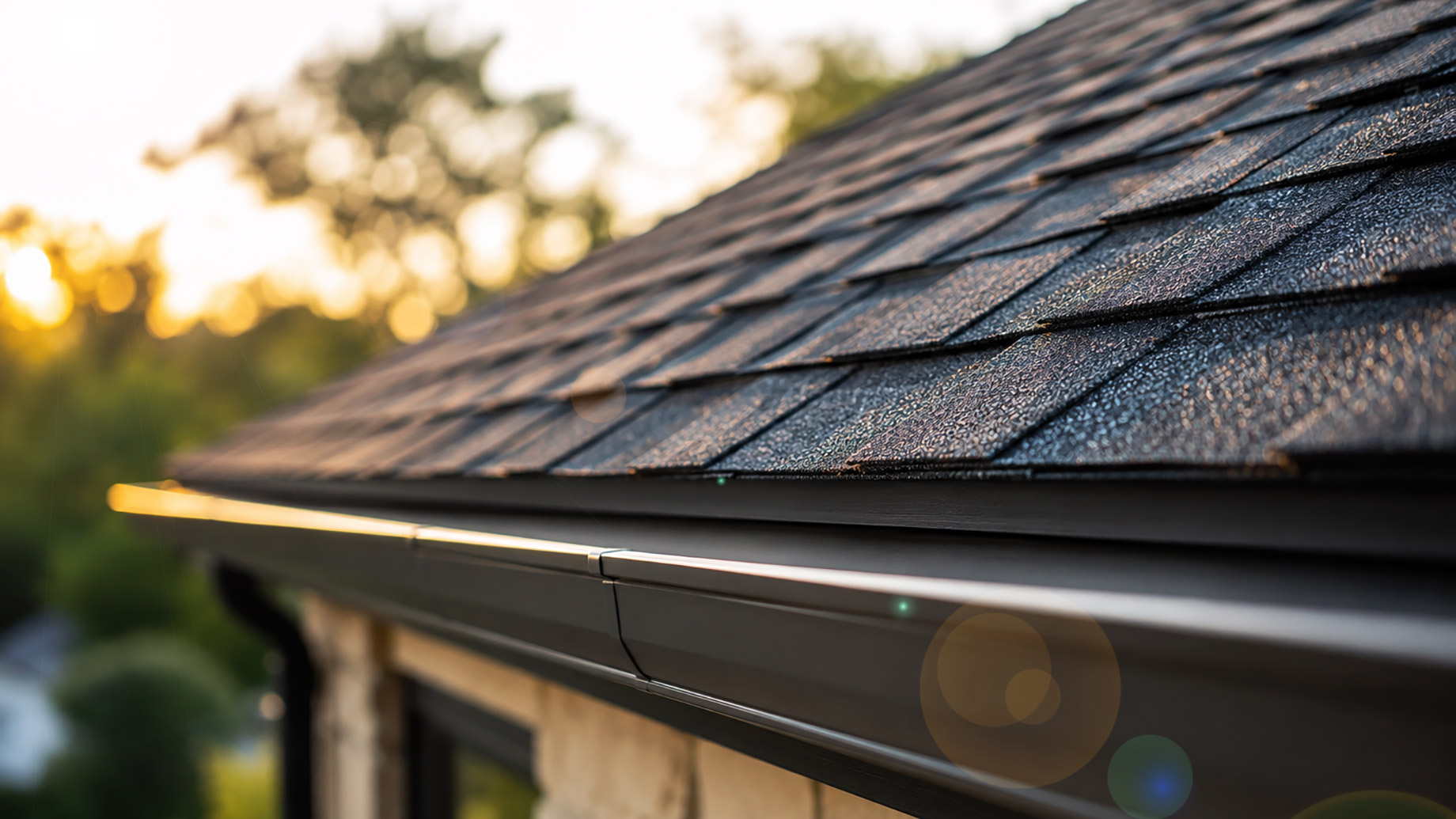
Texas homeowners need roofing systems that can handle heat, hail, wind, heavy rain, and sudden storm conditions. From North Texas and Central Texas to the Gulf Coast and West Texas, roofs are exposed to demanding weather patterns that can affect performance, appearance, and long-term durability.
A strong roof protects more than the top of the house. It helps prevent water intrusion, supports energy efficiency, improves curb appeal, and preserves property value. For homeowners, regular inspections and timely roofing work can reduce the risk of larger structural problems later.
Why Roofing Matters in Texas
Texas weather can be hard on residential roofs. Long periods of sun and heat can age shingles, dry out materials, and weaken roof surfaces. Severe thunderstorms can bring damaging wind, hail, and heavy rain. In some areas, hurricanes, tropical storms, and wind-driven rain can also create serious roof concerns.
The Texas Department of Insurance describes the roof as a home’s first line of defense against severe weather, which makes roof condition especially important for insurance, maintenance, and long-term ownership planning.
Damage is not always visible from the ground. Hail can bruise shingles, loosen granules, dent vents, and reduce the life of a roof without causing an immediate leak. Wind can lift shingles or damage roof edges, creating weak points that may worsen during the next storm.
Common Roofing Services in TX
Roofing needs vary depending on the age of the home, the roofing material, the local climate, and the extent of any storm damage. Common services include:
- Roof inspections after hail, wind, or heavy rain
- Shingle repair and replacement
- Leak detection and repair
- Flashing repair around vents, chimneys, skylights, and roof edges
- Gutter and drainage assessment
- Storm damage documentation
- Roof ventilation review
- Full roof replacement
A roof inspection is especially useful after severe weather. The National Weather Service uses 1-inch hail and 58 mph wind gusts as severe-thunderstorm thresholds, both of which can create conditions capable of damaging exterior home systems.
Roof Repair vs. Roof Replacement
Not every roofing issue requires full replacement. Minor problems, such as a few missing shingles, small flashing defects, or an isolated leak, may be repairable if the rest of the roof is in strong condition.
Replacement may be more practical when the roof is older, has widespread granule loss, repeated leaks, storm damage across multiple slopes, or deteriorated materials. Continual patching can become expensive when the underlying system is already near the end of its useful life.
Working with a roofing and construction company in Texas can help homeowners evaluate roof condition, compare repair and replacement options, and choose a solution suited to the property.
Permits, Insurance, and Contractor Due Diligence
Texas does not currently require a statewide roofing contractor license. The Roofing Contractors Association of Texas notes that the Texas Department of Licensing and Regulation does not administer roofing contractor licensure, so homeowners should be careful when selecting a contractor.
Before approving roofing work, homeowners should ask for written estimates, proof of insurance, warranty information, project timelines, and references. They should also confirm whether a city or county permit is required. Permit requirements can vary by location and project scope; for example, Georgetown, Texas states that a permit is required for a new roof within city limits.
For storm-related claims, homeowners should document damage, contact their insurance company, and avoid making major commitments before understanding the claims process and coverage terms.
Protecting Long-Term Home Value
Roofing is a major part of home value. A clean, properly installed roof improves curb appeal, reduces buyer concerns, and helps protect the interior from moisture damage. For luxury homes and high-value properties, roof condition is especially important because buyers expect visible exterior systems to be well maintained.
Homeowners can protect long-term value by scheduling inspections, repairing damage early, maintaining gutters, trimming nearby branches, and keeping records of roofing work, permits, warranties, and insurance documents.
Final Thoughts
Roofing services in TX are essential because Texas weather can be intense and unpredictable. Heat, hail, wind, rain, and storm activity all place pressure on residential roofing systems.
By taking a proactive approach, homeowners can reduce repair risks, improve roof durability, and protect one of the most important parts of the property. A strong roof supports safety, comfort, appearance, and long-term home value from the top down.
