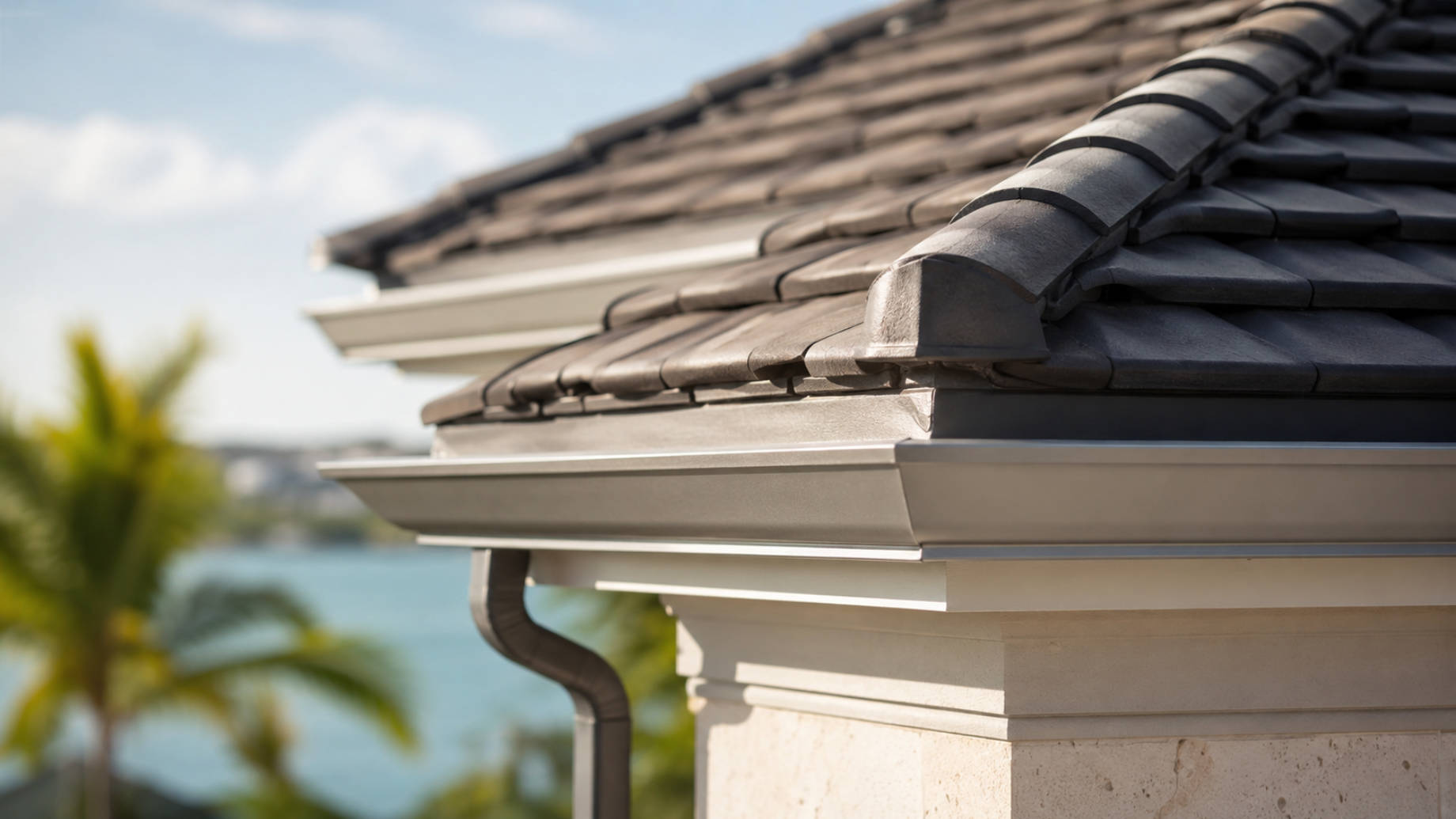
A roof carries more responsibility in Sarasota than it might in many inland markets. Homes along Florida’s Gulf Coast face strong sun, heavy rain, humidity, wind, salt air, tropical systems, and seasonal storm exposure. For homeowners, roofing is not only about appearance or short-term repairs. It is about protecting the structure, preserving property value, and reducing the risk of water intrusion when weather conditions change quickly.
Choosing the right roofing contractor in Sarasota, FL is therefore an important decision. The best roofing partner should understand local building conditions, coastal weather risks, material performance, permitting expectations, and the practical needs of homeowners who want reliable protection without unnecessary disruption.
Why Roofing Matters in Sarasota
Sarasota homes are exposed to a demanding coastal environment. Heat and ultraviolet exposure can age roofing materials over time. Moisture can test flashing, underlayment, vents, and roof penetrations. Wind-driven rain can reveal weaknesses that may not be visible during ordinary weather.
For luxury homes and well-maintained residential properties, the roof also affects curb appeal. A roof that is worn, stained, mismatched, or poorly installed can make even a beautiful home appear neglected. More importantly, small roofing failures can move quickly into attic spaces, insulation, ceilings, walls, and interior finishes.
A strong roofing system should manage water, resist weather exposure, support ventilation, and complement the architectural style of the home.
Common Roofing Issues Homeowners Should Watch For
Roofing problems often begin before there is an obvious leak. Homeowners should schedule an inspection if they notice:
- Missing, lifted, cracked, or curling shingles
- Broken or displaced tiles
- Damaged flashing around chimneys, vents, skylights, or roof edges
- Water stains on ceilings or upper walls
- Granules collecting in gutters
- Gutter overflow or drainage problems
- Soft spots or sagging sections
- Debris impact after storms
- Repeated leaks in the same area
Not every issue requires a full roof replacement. Some problems can be corrected with targeted repair. The important point is to determine the cause before the damage spreads.
Repair or Replacement: Making the Right Decision
A qualified roofing contractor should not recommend replacement by default. The decision should be based on the roof’s age, material condition, storm exposure, leak history, and the extent of visible and hidden damage.
Roof repair may be appropriate when the problem is isolated. This may include a small flashing failure, a limited number of damaged shingles, or a localized leak. Roof replacement may be more practical when the system is near the end of its service life, has repeated leak problems, or has widespread storm-related damage.
For Sarasota homeowners, the long-term plan for the property also matters. A homeowner preparing to sell may prioritize documentation and curb appeal. A homeowner planning to stay long term may value durability, warranty strength, ventilation, and higher-performing materials.
What to Expect from a Professional Roofing Inspection
A proper roofing inspection should be more than a quick look from the driveway. A contractor should review the visible roof surface, flashing, roof edges, vents, gutters, drainage paths, and signs of interior water intrusion when relevant.
The homeowner should receive a clear explanation of what was found. Photos are useful because they allow the homeowner to see the condition of the roof without climbing onto it. The estimate should define the scope of work, materials, timeline, warranty details, and any assumptions about hidden damage.
Clear documentation is especially important after storms. If insurance becomes part of the process, organized records help homeowners understand what happened, what needs to be repaired, and what the contractor is proposing.
Choosing Materials for Sarasota Homes
The right roofing material depends on the home’s design, roof slope, exposure, budget, maintenance expectations, and neighborhood standards. Asphalt shingles, tile, and metal roofing can all be appropriate in different circumstances.
A good contractor should explain the benefits and limitations of each option. In Sarasota, homeowners should pay close attention to wind resistance, water management, underlayment, flashing quality, ventilation, and installation standards. Materials matter, but workmanship determines whether those materials perform as intended.
For higher-end homes, roof selection should also respect the property’s architecture. The roof should look integrated with the home rather than added as an afterthought.
Why Gutters, Flashing, and Ventilation Matter
A roof is a complete system. Shingles or tiles are only one part of it. Gutters move water away from the structure. Flashing protects vulnerable transition points. Ventilation helps manage heat and moisture inside the attic. Underlayment provides another layer of protection below the visible surface.
When one part of the system fails, the rest of the home can be affected. A roof may appear acceptable from the street while water is entering through a weak flashing point or poor drainage detail. That is why experienced contractors evaluate the entire system instead of focusing only on the most visible surface.
Warning Signs When Hiring a Contractor
Homeowners should be cautious when a contractor uses pressure tactics, offers vague pricing, avoids written documentation, or asks for a large payment before work begins. Roofing work should be handled through a clear written agreement.
Before signing, homeowners should ask:
- Are you properly licensed and insured?
- What exactly is included in the estimate?
- Which materials will be used?
- What warranties apply to labor and materials?
- How will the property be protected during the project?
- Who will supervise the work?
- What happens if hidden damage is discovered?
- How will cleanup be handled?
- Will photos or documentation be provided after completion?
A professional contractor should be able to answer these questions directly.
Why the Lowest Estimate Is Not Always the Best Value
A low roofing estimate may appear attractive at first, but it can become expensive if the work excludes proper preparation, quality materials, ventilation review, flashing detail, cleanup, or warranty protection. Poor installation can lead to leaks, repeat service calls, interior damage, and premature replacement.
The better measure is value. Homeowners should look for a contractor who provides careful inspection, appropriate materials, skilled installation, written documentation, and accountability after the work is finished.
Final Thoughts
Roofing services in Sarasota, FL require local knowledge, technical skill, and attention to detail. Coastal homes face weather conditions that make roof performance especially important. Homeowners should not wait for visible interior damage before taking roofing concerns seriously.
The right contractor can help identify problems early, explain repair and replacement options clearly, and install a roofing system that supports long-term protection. For Sarasota homeowners, that means greater confidence in the home, stronger curb appeal, and better preparation for the conditions that come with living on Florida’s Gulf Coast.
Frequently Asked Questions
How often should Sarasota homeowners inspect their roof?
Homeowners should check their roof visually after major storms and schedule a professional inspection when they notice missing materials, leaks, damaged flashing, gutter issues, or ceiling stains.
Is roof repair enough, or is replacement better?
Repair may be enough for isolated damage. Replacement may be better when the roof is aging, repeatedly leaking, or widely damaged.
What should a roofing estimate include?
A roofing estimate should include the scope of work, materials, labor, timeline, warranty details, payment terms, cleanup responsibilities, and any conditions related to hidden damage.
Why is flashing important?
Flashing protects vulnerable areas where the roof meets walls, chimneys, vents, skylights, valleys, and other transitions. Poor flashing is a common source of leaks.
Should homeowners choose the cheapest roofing bid?
Not automatically. A roof is a long-term protective system, and the cheapest bid may not include the same materials, workmanship, documentation, or warranty support.
