Retirement should be a time of comfort, enjoyment, and purpose. It’s a period when lifestyle choices begin to matter more than schedules or deadlines. That’s why you need a living environment or nursing home that supports the way you want to spend your days.
Choosing a retirement community is one of the most important decisions you’ll make in your later years. With so many options available, understanding which features truly enhance daily life can make the choice much easier. This insight helps you make a confident decision, whether it’s for yourself or someone you care about.
Here are a few key aspects to consider when evaluating a retirement community.
Wellness Centers That Promote Health and Vitality
A strong focus on wellness goes beyond exercise. Many retirement communities now offer state-of-the-art fitness centers designed specifically for older adults. These spaces often include low-impact equipment, resistance training areas, and group exercise classes tailored to varying mobility levels. Wellness programs may also incorporate yoga, tai chi, or water aerobics, which help maintain balance, flexibility, and cardiovascular health.
Communities that prioritize wellness frequently extend support through nutrition programs and health screenings. On-site dietitians or nutrition workshops guide residents toward balanced eating habits, while regular wellness checks ensure early detection of potential health issues. This holistic approach fosters a supportive environment where residents can take an active role in their daily health.
To fully embrace this approach, consider WindRiver Lakefront & Golf Community or another reputable senior living option in your area. A trustworthy facility provides more than just amenities. It offers a lifestyle that helps residents flourish every day.
Creative Studios That Nurture Artistic Expression
Loneliness can be a concern as people age. Nursing homes that offer creative studios provide a powerful way to support both artistic expression and meaningful social interaction. Art rooms, music spaces, and craft workshops invite residents to explore their creativity and express themselves through various mediums. At the same time, they connect with others who share similar interests. Painting classes, pottery sessions, and writing groups encourage self-expression and friendship.
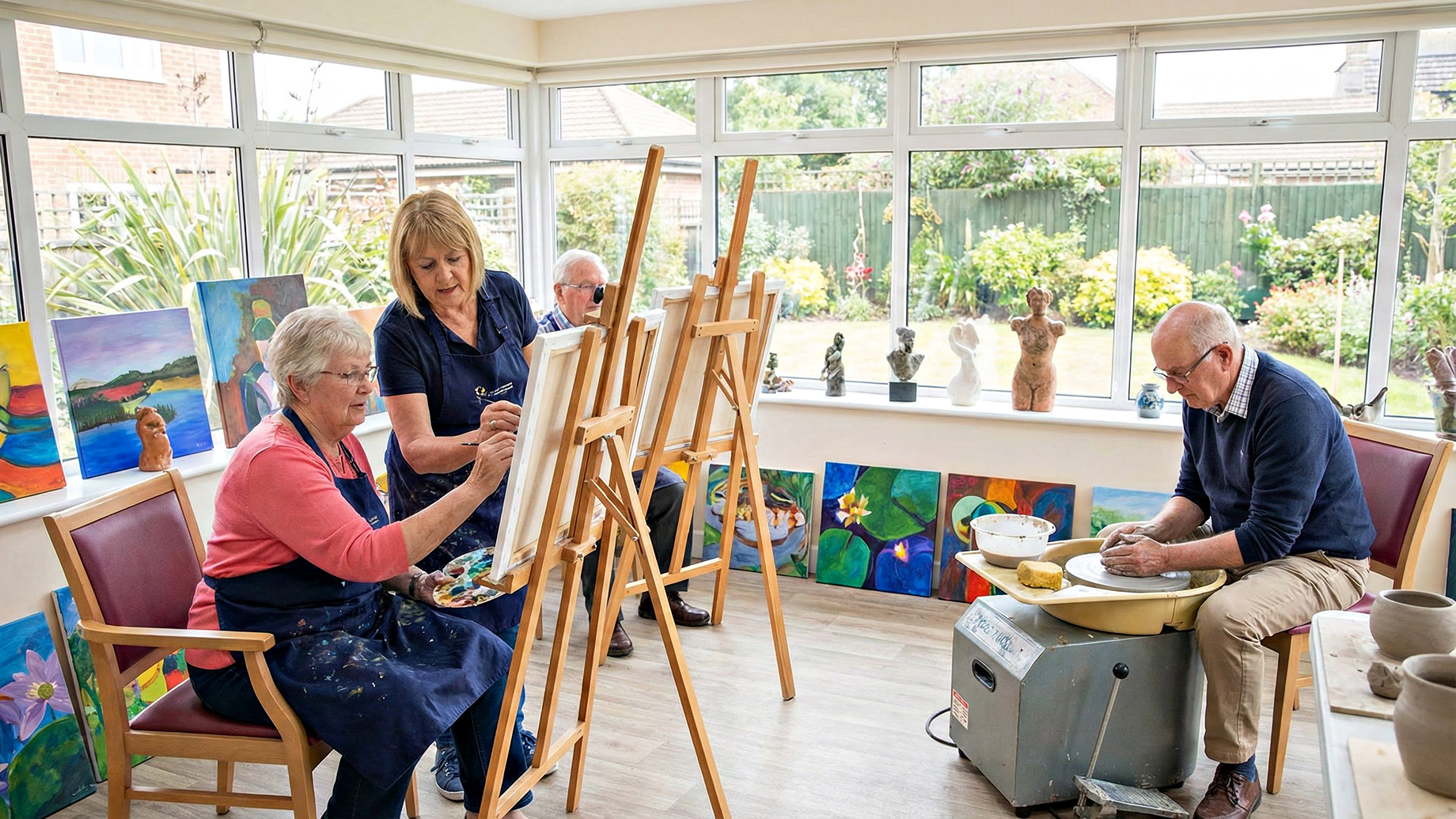
Communities often host exhibitions and collaborative projects. They also organize themed creative events that bring residents together in inspiring ways. These gatherings go beyond recreation. They create opportunities for residents to exchange ideas, celebrate individual talents, and build lasting bonds. By nurturing creativity within a social setting, these approaches enable residents to develop a strong sense of belonging and joy.
Living Spaces That Combine Comfort and Accessibility
Comfortable living spaces in home care go hand in hand with safety and convenience. Thoughtful floor plans often feature single-level layouts, wide doorways, and minimal thresholds to support mobility. In-unit amenities like walk-in showers, ergonomic kitchens, and well-lit interiors make daily tasks easier and reduce the risk of accidents.
Beyond individual units, shared spaces contribute to the quality of life. Cozy lounges, outdoor patios, and multipurpose rooms encourage interaction and relaxation. Accessibility extends to all areas of the place, ensuring residents can move freely without feeling restricted. Such environments blend practicality with a warm, inviting atmosphere.
Culinary Experiences That Rival Fine Dining
Meals are more than sustenance; they can be a source of pleasure and socialization. Assisted living homes that prioritize dining offer varied menus catering to nutritional needs, taste preferences, and dietary restrictions. Many feature on-site chefs who prepare fresh, seasonal dishes. Meanwhile, communal dining rooms create opportunities for residents to share meals together.
Flexibility in dining options adds another layer of convenience. Some facilities provide multiple dining venues, casual cafes, or private dining rooms for family visits. By combining quality, variety, and social interaction, dining becomes an integral part of a fulfilling lifestyle rather than a routine obligation.
Personalized Assistance That Supports Independence
The ability to maintain independence while having support available when needed is a key factor in daily satisfaction. Assisted living communities that offer tailored assistance empower residents to receive help on their terms. Services may include medication management, housekeeping, transportation, or concierge support, allowing individuals to focus on activities they enjoy without being burdened by daily chores.
Personalized care plans ensure that support aligns with each resident’s lifestyle and preferences. Staff trained in compassionate care can respond to evolving needs in a discreet and respectful manner. This balance of independence and assistance provides reassurance and confidence, enhancing peace of mind for both residents and their families.
Lifelong Learning Programs That Stimulate the Mind
Mental stimulation plays a crucial role in overall well-being. Retirement communities increasingly provide educational programs, art workshops, and technology classes to engage residents intellectually and creatively. Opportunities to explore new skills, revisit old hobbies, or participate in discussion groups keep the mind active and curiosity alive.
Creative expression, whether through painting, music, or writing, encourages self-expression and emotional fulfillment. Communities that invest in cultural enrichment and lifelong learning foster an environment where residents continue to grow and discover passions long after leaving the workforce.
Outdoor Spaces That Inspire Activity and Relaxation
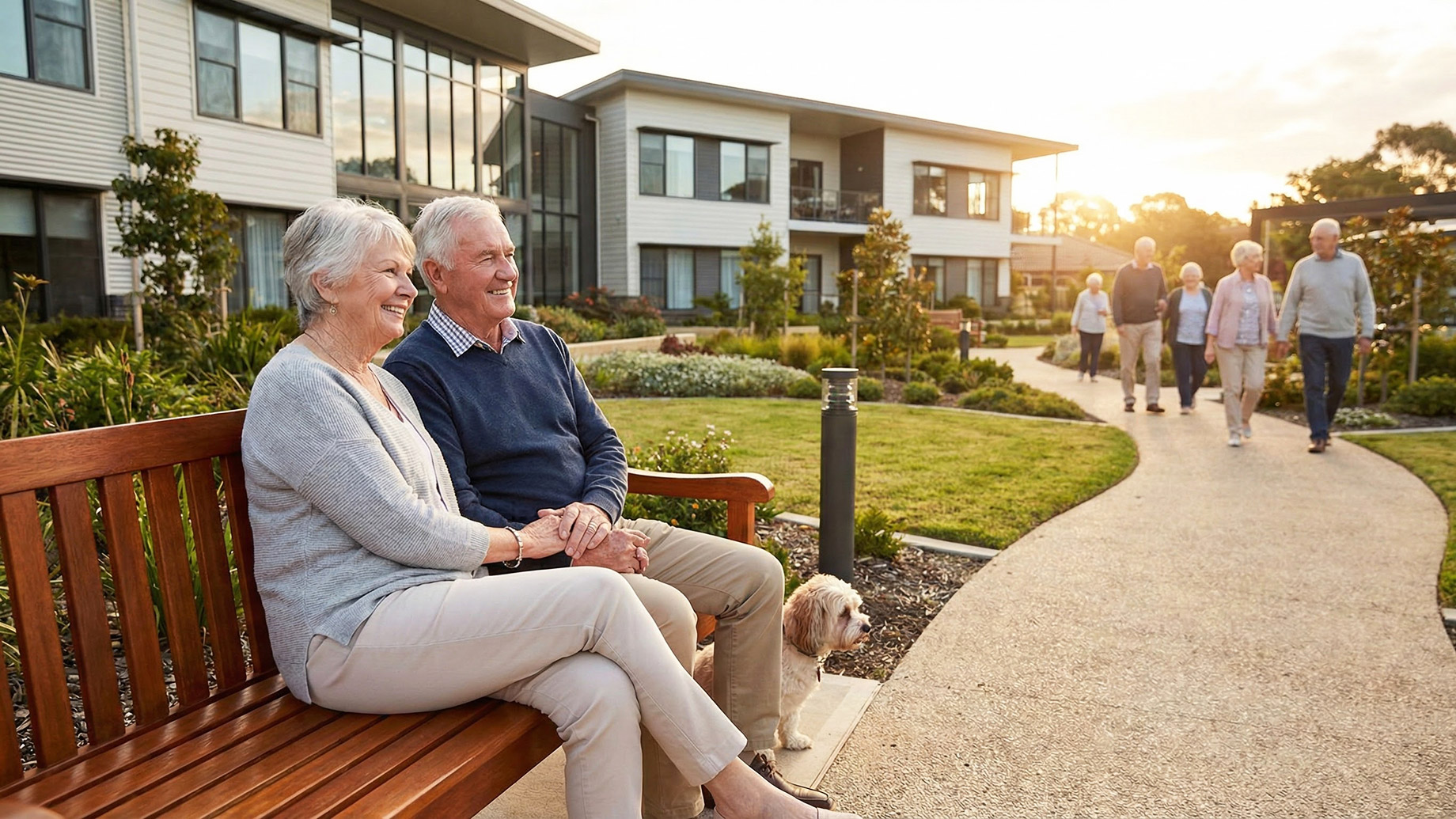
Access to nature and recreational activities contributes significantly to both physical and mental health. Senior living residences that integrate walking trails, gardens, and outdoor seating areas provide spaces for relaxation and gentle exercise. Courtyards, community gardens, and scenic walking paths encourage residents to spend time outdoors, which can help reduce stress and boost their mood.
Recreational offerings such as swimming pools, bocce courts, or pickleball areas add variety to daily life. Residents can participate at their own pace, selecting activities that align with their interests and abilities. Thoughtful outdoor spaces enhance well-being by seamlessly blending leisure, exercise, and social interaction.
Conclusion
The features that truly elevate daily living in retirement communities go far beyond the amenities listed in glossy brochures. They reflect a philosophy that sees retirement as an opportunity for growth, connection, and continued purpose. It is not a gradual withdrawal from active life.
Communities that invest in whole-person wellness programs support both physical and emotional well-being. Thoughtfully designed culinary experiences delight the senses. Creative spaces encourage self-expression, while technology helps residents maintain vital connections. Together, these elements create environments where residents can genuinely thrive.
