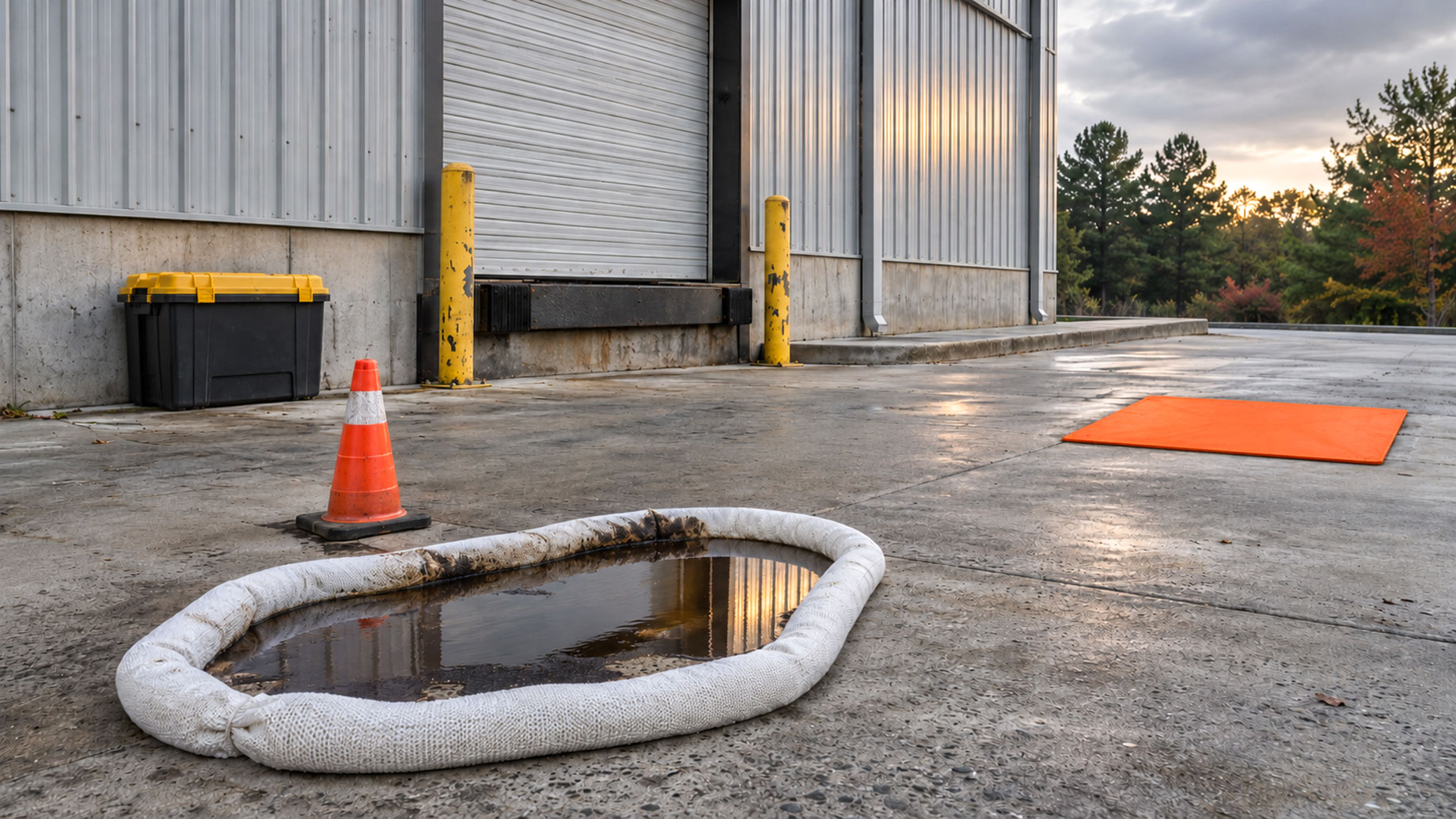
Oil spills can happen unexpectedly at industrial facilities, warehouses, construction sites, vehicle maintenance shops, and commercial properties. A leaking machine, damaged storage container, equipment failure, or vehicle accident can release oil onto pavement, soil, or other surfaces. Even a small spill can become a serious concern when the material spreads beyond its original location or reaches nearby drainage systems.
For businesses in Atlanta, having a reliable response plan is essential. Professional oil spill cleanup helps control the affected area, manage contaminated materials, and reduce the risk of further environmental damage. Understanding how spills happen and why proper cleanup matters can help businesses protect their employees, property, and surrounding environment.
Common Causes of Oil Spills
Oil spills can occur in almost any workplace where petroleum products, machinery, vehicles, or fuel storage systems are used. Industrial facilities and commercial properties often handle these materials daily, making proper maintenance and storage especially important.
Some common causes include leaking hydraulic hoses, damaged machinery, equipment breakdowns, overfilled storage containers, fuel transfer accidents, and vehicle collisions. Poor maintenance can also contribute to unexpected leaks, particularly when worn components go unnoticed.
A spill that initially appears minor can spread quickly across concrete, asphalt, or unprotected soil. Rainwater, moving vehicles, and foot traffic may carry oil into surrounding areas, making the cleanup process more complicated. Regular inspections and safe material-handling practices can help reduce these risks.
Why Immediate Oil Spill Response Is Important
When an oil spill occurs, quick action can help prevent the situation from becoming more serious. The first priority should always be protecting people in the affected area. Employees should avoid direct contact with the spilled material and keep unauthorized individuals away from the location.
If the substance is unknown, fumes are present, or the spill presents a significant hazard, employees should leave the area and contact appropriate emergency responders. Untrained workers should never attempt to handle hazardous materials without the proper training and protective equipment.
Stopping the source of a leak may also help prevent additional oil from escaping, but only when it can be done safely by qualified personnel. Early containment is particularly important because spilled oil can travel across surfaces and potentially reach drainage systems or nearby waterways.
The Importance of Professional Oil Spill Cleanup
Cleaning up an oil spill involves more than removing the visible liquid. The appropriate process depends on the type of oil, the amount released, the surface affected, and whether contamination has spread into surrounding areas.
Professional industrial oil spill cleanup may involve assessing the incident, controlling the affected area, containing the material, recovering spilled oil, and managing contaminated cleanup materials. Each situation requires an appropriate approach based on the specific conditions.
A professional response can help businesses address several important concerns. Proper containment reduces the likelihood of oil spreading further, while suitable recovery methods help remove spilled material from affected surfaces. Responsible waste handling is also essential because used absorbents and contaminated materials may require special management.
Attempting to clean up a significant or potentially hazardous spill without suitable equipment and expertise can create additional risks. Professional assistance helps businesses approach the situation more carefully and systematically.
Environmental Risks of Oil Spills
Oil spills can affect more than the immediate area where they occur. When oil reaches unprotected soil, it may soak into the ground and require additional environmental cleanup. On paved surfaces, rainfall can carry oil toward storm drains, which may eventually connect to streams, rivers, or other waterways.
These releases can create problems for surrounding ecosystems and wildlife. Oil contamination may also affect nearby properties and create concerns for businesses responsible for maintaining safe and environmentally responsible facilities.
This is why oil spill response services in Atlanta, GA should focus on identifying the extent of the release and preventing further contamination. Containment is an important part of the process because removing visible oil alone may not address material that has spread beyond the original spill location.
Businesses should pay particular attention to drainage areas, outdoor storage locations, and spaces where oil is transferred or equipment is maintained.
Proper Handling of Contaminated Materials
Oil spill cleanup often produces contaminated materials that cannot simply be discarded with ordinary workplace waste. Used absorbents, protective materials, soil, and other affected items may require appropriate collection, handling, transportation, and disposal.
The correct approach depends on the type of oil and the materials involved. Businesses should follow applicable environmental requirements and ensure that contaminated waste is managed responsibly.
Proper handling helps prevent recovered oil and contaminated materials from creating additional problems. It also supports a more complete cleanup process and reduces the possibility of secondary contamination around the property.
Preventing Future Oil Spills at Commercial Facilities
Although accidents cannot always be avoided, businesses can take practical steps to reduce the chances of oil releases. A consistent prevention plan helps employees recognize potential problems before they develop into larger incidents.
Regular equipment inspections are particularly useful. Hydraulic systems, hoses, storage tanks, fittings, and machinery should be checked for signs of wear, damage, or leakage. Containers should be stored securely, and oil transfer activities should be performed carefully to reduce the possibility of accidental releases.
Employee awareness is equally important. Workers should understand how to recognize a spill, report it, and follow workplace safety procedures. Suitable spill response supplies should also be available for trained personnel.
Businesses that handle oil regularly should review their emergency procedures and make sure employees understand their responsibilities during an incident. Good preparation can reduce confusion and support a more organized response.
Choosing the Right Oil Spill Response Partner
Selecting an experienced spill response provider is an important consideration for businesses that work with oil, fuel, and other potentially hazardous materials. The right provider should understand the importance of safety, containment, material recovery, and responsible waste management.
When evaluating emergency oil spill cleanup in Atlanta, GA, businesses should consider the provider’s ability to assess the incident, explain the recommended cleanup approach, and address the conditions at the affected property.
Clear communication also matters. Facility managers need to understand which areas are affected, what cleanup measures are being taken, and whether additional attention may be required. A well-organized response can help businesses manage disruptions while keeping environmental responsibilities in mind.
Georgia Emergency Spill Response for Oil Spill Incidents
An oil spill can disrupt normal operations and create environmental concerns that require careful attention. Whether it involves leaking equipment, damaged storage containers, fuel handling, or an unexpected release at an industrial property, a responsible response is essential.
Georgia Emergency Spill Response recognizes the importance of timely spill management and professional cleanup. Businesses in Atlanta can benefit from understanding their response options and preparing for unexpected incidents before they happen.
By prioritizing safety, containment, proper material handling, and environmental responsibility, businesses can take meaningful steps toward protecting their employees, property, and surrounding community. A well-planned response helps address the immediate spill while supporting a safer and more responsible working environment.