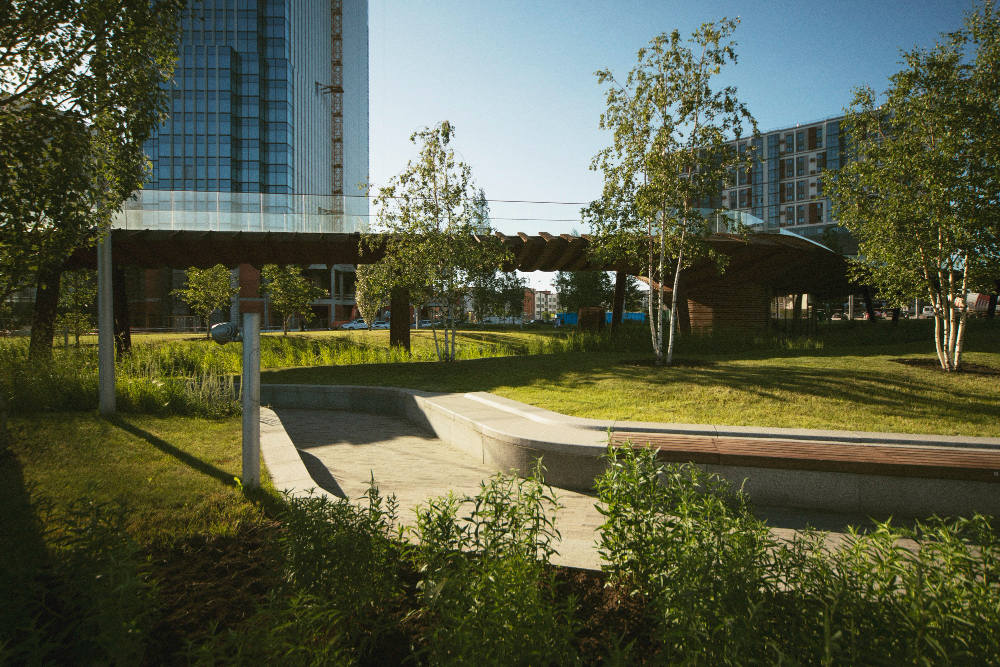
As urbanization continues to accelerate, there is a growing demand for buildings and spaces that promote sustainability, improve the quality of life, and provide a closer connection to nature. Green integrated commercial design is emerging as a key trend that addresses these needs by combining the principles of sustainable architecture with elements of nature. This approach blends natural features such as plants, water, and light with the structural elements of architecture to create spaces that are not only visually appealing but also environmentally responsible, energy-efficient, and beneficial to the well-being of those who occupy them.
Incorporating nature into commercial design through green integrated features is no longer just an aesthetic choice—it’s a necessity. From the implementation of green roofs and living walls to the use of natural materials and innovative lighting strategies, these designs are transforming urban landscapes and reshaping the way we think about commercial architecture.
Introduction to Green Integrated Commercial Design
Green integrated commercial design refers to the intentional incorporation of natural elements into the architecture of commercial spaces. This approach not only helps to enhance the aesthetic appeal of a building but also improves its functionality, sustainability, and energy efficiency. The principles of biophilic design, which focus on bringing nature into the built environment, play a central role in green integrated designs.
These spaces go beyond just visual elements; they incorporate aspects that support both the environment and human health. For businesses, adopting green design solutions can help reduce operational costs, enhance the building’s marketability, improve the well-being of employees and visitors, and contribute to long-term sustainability goals.
The rise of green integrated commercial design is part of a larger movement towards sustainability in architecture, driven by growing environmental concerns and the recognition of the benefits of natural environments on mental health and productivity.
Read more: The Role of Brick Tiles in Sustainable Architecture
Key Elements of Green Integrated Commercial Design
Green integrated design incorporates several elements that blend nature with architectural features to create spaces that are both beautiful and sustainable. Below are some key components of this design trend:
1. Green Roofs and Living Walls
One of the most striking and effective green features in commercial design is the use of green roofs and living walls. Green roofs are designed to be covered with vegetation, providing insulation, reducing stormwater runoff, and improving air quality. These roofs also reduce the urban heat island effect by cooling buildings and surrounding areas.
Living walls, or vertical gardens, are another way to integrate greenery into commercial buildings. These walls are covered with plants and provide similar benefits to green roofs, including better air quality, insulation, and aesthetic value. Living walls can be installed both indoors and outdoors and create vibrant focal points that engage visitors and enhance the building’s visual appeal.
2. Sustainable Materials and Natural Finishes
The use of sustainable materials in commercial design not only supports environmental goals but also creates a more natural and calming atmosphere. Materials such as reclaimed wood, bamboo, and recycled steel are becoming popular choices for commercial spaces. These materials not only have a lower carbon footprint but also add texture and warmth to the design.
In addition, natural stone, metal, and glass are being used in a way that promotes sustainability. For example, stone paving and reclaimed wood are used in walkways, outdoor seating areas, and walls to create a harmonious blend of architecture and nature. These materials are durable and offer long-lasting solutions while reducing the environmental impact of construction.
3. Natural Light Integration and Daylighting Strategies
Natural light is a cornerstone of green integrated design. By maximizing the amount of natural light that enters a building, commercial spaces reduce their reliance on artificial lighting, which leads to energy savings and a more comfortable environment. Daylighting strategies include installing skylights, large windows, and glass facades to allow light to flood the interior spaces.
Aside from reducing energy consumption, natural light has been shown to improve the well-being and productivity of building occupants. Research shows that exposure to natural light boosts mood, increases energy levels, and enhances concentration. Commercial buildings that prioritize natural light create healthier and more inviting spaces for employees, clients, and visitors.
4. Indoor Plant Integration and Biophilic Design
The incorporation of indoor plants is an essential aspect of biophilic design, which connects people with nature in the built environment. Indoor plants not only beautify a space but also purify the air, reduce stress, and improve mental clarity. Integrating greenery into office spaces, public areas, and retail environments enhances the overall ambiance and encourages positive interactions between people and their surroundings.
Custom planters are an effective way to integrate plants into commercial spaces. These planters can be designed to match the aesthetic of the building, complementing the architectural style while providing functional space for greenery. Whether used as focal points or functional partitions, custom planters are versatile tools that help bring nature into the built environment.
The Role of Commercial Planters in Green Integrated Design
Planters play a vital role in green integrated commercial design by allowing nature to be woven seamlessly into the architecture. Metal planters, fiberglass planters, stainless steel planters, and resin planters are becoming increasingly popular choices due to their durability, aesthetic appeal, and ability to withstand outdoor conditions. These materials not only provide an attractive solution for displaying plants but also contribute to the overall design of the space.
For instance, metal planters add a modern and sleek look to commercial properties, offering a strong contrast to the softness of plants and greenery. Fiberglass planters are lightweight and durable, making them ideal for large outdoor spaces or rooftop gardens. Stainless steel planters are popular for their minimalist aesthetic and resistance to rust, while resin planters offer flexibility in design and can mimic the look of more expensive materials while being highly cost-effective.
For those looking for durable and stylish outdoor planters, concrete planters provide the perfect solution. Concrete planters are long-lasting, weather-resistant, and can be designed in a variety of shapes and sizes to suit different landscaping needs. These planters help create a grounded, earthy feel while contributing to the space’s sustainable design.
Environmental and Social Benefits of Green Integrated Design
1. Energy Efficiency and Reduced Carbon Footprint
Green integrated design is a key solution for reducing a building’s energy consumption. By incorporating features such as green roofs, natural lighting, and energy-efficient HVAC systems, commercial buildings can significantly reduce their carbon footprint. For example, green roofs provide natural insulation, reducing the need for artificial heating and cooling. Similarly, the use of energy-efficient materials and sustainable construction practices helps lower overall energy consumption, making the building more sustainable.
2. Improved Air Quality and Climate Control
Plants are natural air purifiers. By incorporating green walls and indoor plants, commercial spaces can significantly improve indoor air quality. Plants help to filter out toxins, reduce carbon dioxide levels, and increase oxygen levels, making the environment healthier for occupants.
Additionally, green roofs and trees help mitigate the urban heat island effect by cooling surrounding areas. This contributes to better local climate control and improves the overall livability of the space.
3. Enhancing Social Interaction and Well-being
Nature-inspired design fosters social interaction by creating inviting and relaxing environments where people feel comfortable engaging with each other. Commercial spaces that incorporate green features such as seating areas surrounded by plants encourage people to stay longer, socialize, and build a sense of community.
The presence of nature in these spaces also has psychological benefits. Studies have shown that biophilic design reduces stress, promotes relaxation, and enhances mood, which improves productivity and overall well-being for employees and customers alike.
Challenges in Implementing Green Integrated Design in Commercial Spaces
While the benefits of green integrated design are clear, there are challenges in its implementation. One of the biggest challenges is the initial cost of incorporating green features such as green roofs, living walls, and sustainable materials. However, the long-term savings in energy costs, improved employee productivity, and increased property value often offset these initial expenses.
Maintenance is another challenge. Green roofs, living walls, and indoor plants require ongoing care and attention. However, with proper planning and the right maintenance teams, these features can be managed effectively.
Conclusion: The Future of Green Integrated Commercial Design
Green integrated commercial design is not just a passing trend; it is a necessity for the future of sustainable, functional, and aesthetically pleasing buildings. By incorporating nature into the built environment, businesses can create spaces that are not only good for the planet but also enhance the experience of those who use them.
From reducing energy consumption to improving air quality and social interaction, green integrated designs offer a multitude of benefits for both the environment and the people who interact with these spaces. As sustainability continues to rise as a priority in architecture, the future of commercial design lies in blending nature and architecture seamlessly to create spaces that are functional, beautiful, and environmentally responsible.