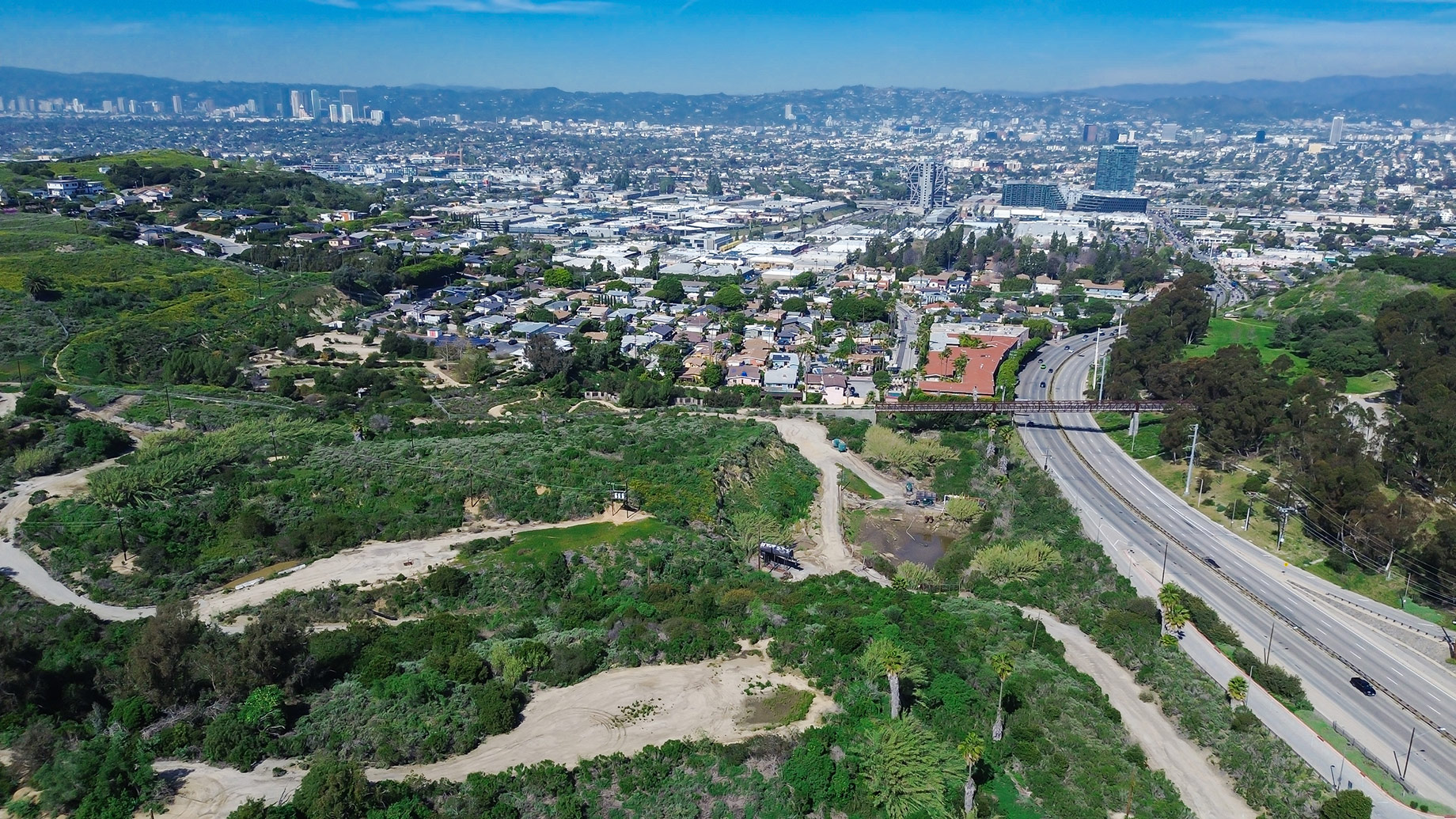
Culver City looks like part of Los Angeles on a map and behaves like something else entirely once you live there. It is a separate municipality of roughly five square miles, surrounded almost completely by the City of Los Angeles, with its own police and fire departments, its own bus system, its own school district, and its own housing rules.
People who relocate here from elsewhere in the metro often spend the first month discovering that the agency they used to call is no longer the agency that handles their street.
None of that is a drawback. It is one of the reasons the city holds its value. But it does mean the practical details of settling in differ from what a newcomer might expect, and a few of them are worth knowing before the keys change hands rather than after.
The Geography Explains the Rest
Culver City sits on the Westside, roughly between the 10 and the 405, with Marina del Rey and Playa Vista to the south, Mar Vista and Venice to the west, and Mid City to the east. That position is why the city became a studio town in the 1920s and why it became an office town again in the last decade. Sony Pictures occupies the historic MGM lot on Washington Boulevard, Culver Studios sits a few blocks away, and Amazon and Apple both established significant offices here.
The practical result is a small city with big-city traffic patterns during commute hours and a walkable core that fills up in the evenings. Washington, Venice, Sepulveda, Jefferson, and La Cienega carry most of the through traffic. Residential streets just off those corridors are quiet, narrow, and heavily parked, which matters more than newcomers expect on move-in day.
Neighborhoods Feel Different Block to Block
For a city this compact, Culver City varies a great deal.
- Downtown and the Ivy Station area hold the newest apartments and mixed-use buildings, walkable to restaurants, the Kirk Douglas Theatre, and the Metro E Line station. This is the option for people who want to avoid daily driving.
- Carlson Park and the surrounding streets are older single-family blocks with 1920s through 1940s Spanish and traditional homes, mature trees, and a genuine neighborhood park at the center.
- Sunkist Park, Studio Village, and the Blanco/Culver Crest side lean mid-century, with more consistent lot sizes and a quieter, more suburban feel.
- Fox Hills is the higher-density corner near the mall, with condo towers and easier freeway access, and it tends to be the value option within city limits.
- Blair Hills and Culver Crest climb the hillside, with views, curves, and driveways that are not friendly to large vehicles.
Which of these you land in changes your move-in logistics far more than it changes your commute. A flat street in Sunkist Park and a hillside driveway in Blair Hills are two very different jobs.
Renting Here Comes With Local Protections
Culver City adopted permanent rent stabilization and tenant protection ordinances that took effect in October 2020, with amendments adopted since. These are city ordinances administered by the city’s Housing Division, entirely separate from the City of Los Angeles rules people may be familiar with.
Eligibility generally turns on the age of the building and the type of unit, annual increases on covered units are capped and tied to a published index, and covered tenants have just cause eviction protections. Units that fall outside the local ordinance are typically backstopped by California’s statewide Tenant Protection Act.
If you are renting, two things are worth doing in the first week. Ask the landlord in writing whether the unit is covered by the city ordinance, and look up the current allowable increase on the city’s housing pages so you know what to expect at renewal. Landlords of covered units are required to register them with the city and to post notice of the ordinances, which is itself a useful signal.
Getting a Truck to the Curb Is a City Process
This is the detail that catches almost every newcomer. Culver City issues its own permits for moving trucks, PODs, and dumpsters through the city rather than through any Los Angeles agency.
The permit reserves curb space, the temporary no parking signs are obtained from the city, and they have to be posted correctly, with documentation, before enforcement applies. Moving truck permits are issued for a single day, and container permits run for a short window, so timing has to be right.
Apply early rather than the week of the move, and confirm the current fee, lead time, and sign posting requirements directly with the city, because these change. If your street has permit parking or scheduled sweeping, factor that in as well.
Crews that work these streets regularly, such as Simple Moving Company, will usually ask about curb access, driveway width, and building rules during the estimate for exactly this reason. If nobody asks, raise it yourself, because a long carry from a legal parking spot two blocks away turns an hourly move into a longer and more expensive day.
For apartment and condo buildings, add one more step. Ask building management for the move-in policy, permitted hours, elevator reservation procedure, and whether they require a certificate of insurance from your moving company. Downtown and Fox Hills buildings commonly do.
Commuting Without Living on the Freeway
The E Line station at Washington and National connects Culver City to Santa Monica in one direction and downtown Los Angeles in the other, which is the single biggest quality of life factor for people working at either end. Culver CityBus covers local routes and connects to the station. For drivers, the useful pattern to learn is that the surface corridors often beat the freeway for short trips, and that the 405 north in the morning and south in the evening is the constraint that shapes everything.
If your job is in Playa Vista, El Segundo, or Century City, Culver City is one of the better places on the Westside to live. If your job is in the San Fernando Valley, understand what the Sepulveda Pass will cost you twice a day before signing anything.
Schools and City Services
Culver City Unified serves the city and is a common reason families choose to move within these boundaries rather than just outside them. Attendance boundaries matter, so confirm the assigned school for a specific address rather than for the city generally.
On the services side, trash, recycling, bulky item pickup, street sweeping, parking permits, and code enforcement all run through Culver City, not through Los Angeles. Update the bookmark set in your first week and the rest of the year gets easier.
A First Month Checklist
- Confirm whether the unit falls under the city’s rent stabilization ordinance, in writing.
- Apply for the moving truck or container parking permit well before move day, and confirm sign posting rules.
- Get the building move-in policy, elevator procedure, and insurance certificate requirement in advance.
- Measure the tightest doorway, stairwell, and turn at the new address before deciding which furniture comes.
- Verify the assigned school for the exact address if you have children.
- Set up city services under Culver City accounts, not Los Angeles ones.
- Drive your actual commute at your actual commute time once before move day.
Culver City rewards people who treat it as its own city rather than as a Los Angeles neighborhood. Do that from the first week and the transition is a short one.
