When it comes to weatherproofing your home, you really need to be on your game. According to CISA, since 1980, 186 severe storms have each caused at least $1 billion in damage in the US. By 2023, it will have amassed an astounding $455 billion. Each year, the US sees about 100,000 thunderstorms, with roughly 10% of them classified as severe.
Heavy rains and strong winds can put any building to the test, which is why proper weatherproofing is essential. A local storm door installer can be a great help to homeowners. These specialists ensure that everything is sealed and aligned during installation, which enhances the weatherproofing benefits.
However, homeowners often skimp on such essentials when investing in weatherproofing. These mistakes can make your home prone to damage and lead to costly repairs. You can steer clear of such mistakes by planning with top-notch materials and expert techniques.
This article highlights some common mistakes that, if avoided, can help ensure that your home can endure even the harshest weather.
Misdiagnosing Problems
You might assume that every crack or damp patch points to the same problem. Better Homes & Gardens states that your house won’t give you a heads-up when it needs repairs. That’s why it’s essential to pay attention to its structural health. This proactive mindset helps you resolve issues before they snowball into larger complications.
Getting the diagnosis wrong can lead to hassle and extra expenses when it comes to making your home weatherproof. Don’t miss the subtle hints about where the water is coming from versus where it just appears. Instead of slapping sealants on the obvious signs, dig deeper and identify the root causes.
This mistake can add up, especially during heavy storms when untreated issues can lead to even more serious damage. Rather than relying on quick solutions, you must confront the actual sources of water, air, and pest issues. A thorough diagnosis provides precise solutions, ensuring your investment gets protected for the long term.
Not Choosing the Right Materials
When you rush into weatherproofing projects and opt for the cheapest materials, you might be making a costly mistake. You may not consider important aspects such as the local climate and how they mesh with your existing surfaces when choosing caulks, sealants, or insulation.
Inexpensive products tend to falter in UV rays, temperature swings, or damp conditions. It leads to a never-ending cycle of repairs that can add up. It’s a common misconception that all paints or tapes are the same; mismatched options can actually trap moisture inside your walls instead of keeping it out.
It’s all about matching the right products to the surfaces, such as using silicone for metal and acrylic for wood, to ensure they last a long time. Making the right choices helps create dependable barriers that save energy and prevent damage. You can invest wisely in protection that endures through the seasons without any issues.
Trying DIY Improvements
When you try your hand at DIY weatherproofing to save a few bucks, it can often backfire. According to Southern Living, homeowners take immense pride in their spaces, which is why the home improvement industry is thriving. Many people enjoy rolling up their sleeves and improving their homes on their own. Diving into the DIY world isn’t something to take lightly, and depending on your skills, it might not be for you at all.
Without the right experience, you end up applying sealants unevenly or skipping essential steps. Your eagerness might also overlook vital building codes and warranty requirements, which could result in failed inspections or voided protections. It can leave your home vulnerable to even more damage.
As stated by Denver Storm Door, every home should have a stunning entrance that combines strength with style. Opting for skilled installers means you’re investing in structural integrity and results that last. When you hire professionals, you can avoid the headaches that come with DIY projects. That means you can spend your weekends doing what you love instead.
Skipping Surface Prep
You might think that a quick wipe is enough when weatherproofing your home, but skipping surface prep can set you up for failure. If you don’t clean off dirt, old paint, mildew, or grease, your sealants and paints won’t adhere properly, and they will start peeling off when the rain or wind comes.
Rushing through the process and not checking for moisture or compatibility can trap water behind the new layers, leading to rot or mold. This common mistake can turn what should be a simple project into a major headache with ongoing repairs.
For optimal results, sand down any rough patches, remove loose debris, and ensure everything is dry. This step helps materials last longer and ensures that your weather barriers can withstand challenging seasonal conditions.
Overlooking Drainage
When it comes to weatherproofing your home, it’s easy to overlook drainage, thinking that gutters and downspouts will take care of everything. The Spruce notes that a clogged sewer line is a serious issue. When your pipes are blocked, wastewater has no choice but to back up into your home. If you think there’s a clog in your sewer drain, you must get it sorted out as soon as possible.
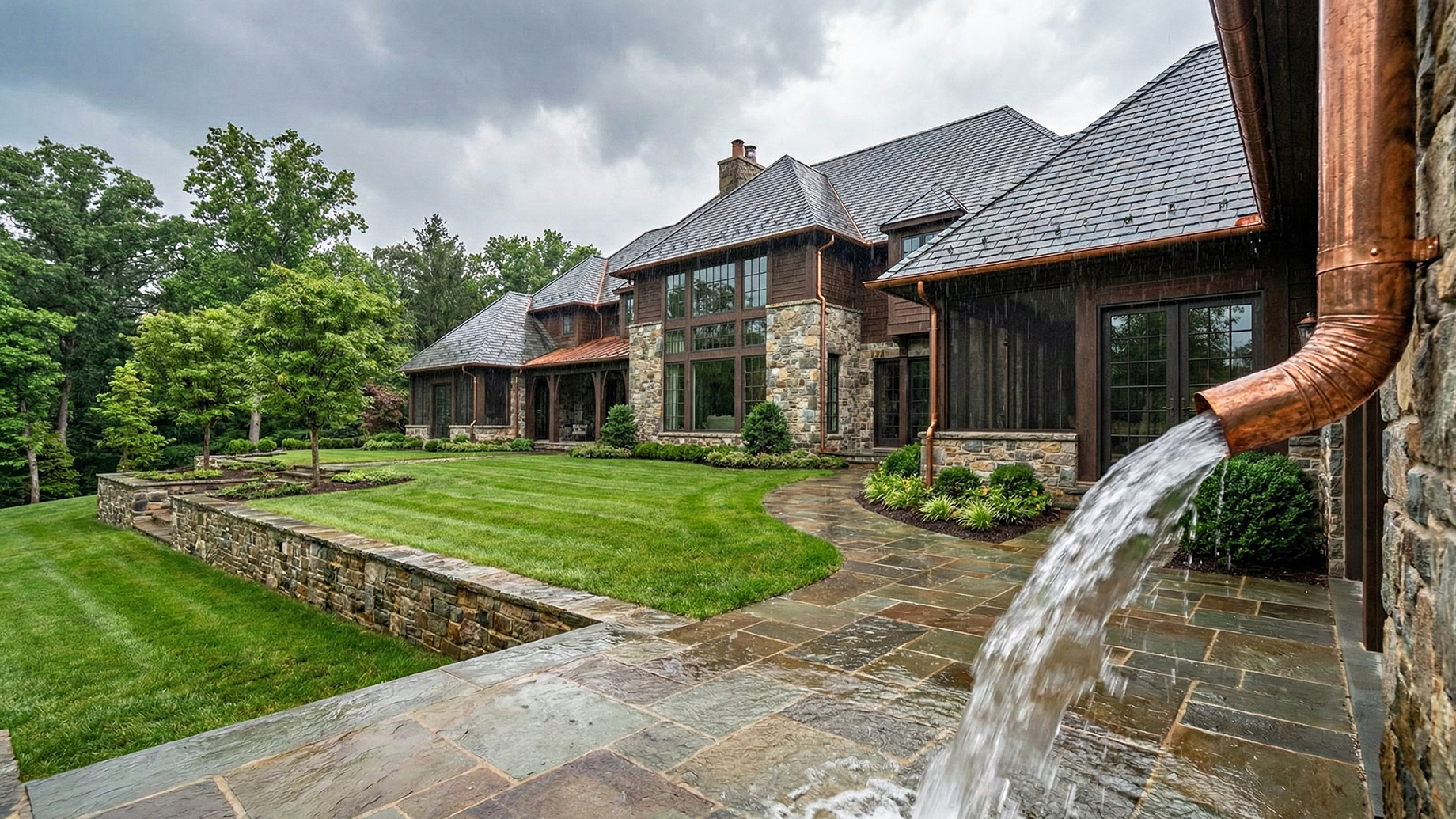
Water can pool near your foundation if you neglect to grade the slopes away from the walls or clear out clogged channels. Ignoring it can undermine your siding, rot wooden frames, and erode soil support. This can cause structural wear to happen much faster than surface treatments can prevent.
Regularly checking and cleaning your drainage systems each season is essential for ensuring that water flows and safeguarding your investments for the future. These steps avoid the constant loop of temporary fixes and instead create strong, lasting solutions from the very beginning.
FAQs
How to weatherproof your home?
Make your home more comfortable and energy-efficient by sealing gaps around windows and doors with caulk and weatherstripping to keep drafts at bay. It’s also a good idea to clean your gutters, enhance insulation in your attics and walls, and ensure that drainage slopes away from your foundation. Staying on top of regular maintenance can help you dodge costly repairs in the future.
What is the difference between weatherproofing and waterproofing?
Weatherproofing is all about keeping your home safe from the elements, such as rain, wind, snow, and UV rays. It helps resist damage and boosts insulation. Meanwhile, waterproofing acts as a barrier to keep water out, preventing leaks and seepage, particularly in basements or on roofs. In short, use weatherproofing for your home’s exterior, while waterproofing is your go-to for areas that are prone to moisture.
How long does weatherproof coating last?
When it comes to weatherproof coatings, you can expect them to last around 5 to 15 years. The lifespan hinges on the quality of the materials, exposure to weather, and care taken. If you opt for premium membranes, they can even last over 30 years with proper maintenance. You must reapply sooner to ensure your protection stays strong.
Mastering weatherproofing is all about overcoming common traps. When you do this, you create a stronghold against the elements. You turn what could be disasters into seamless protection that endures through all seasons.
Careful preparation and expert execution produce outcomes that are considerably superior to those of amateurs. So, commit to quality now, consult with experts early, and watch your investment grow for decades to come. Proper weatherproofing requires careful attention, so be proactive for lasting security.
