Home exterior design trends show a strong shift toward balancing attractive architectural style with high-performance weather protection. Updating your living space with quality exterior products helps shield your home against unpredictable weather patterns while increasing overall curb appeal.
Choosing the right roofing materials gives your structure a strong defense against driving rain, high winds, and continuous solar exposure. Making smart choices before construction starts keeps your house protected, comfortable, and dry through every season.
How do you maximize manufacturer warranties through certified installation protocols?
Buying premium products covers only half of a complete weatherization strategy. Professional installation ensures your chosen materials perform as intended and keep manufacturer warranties valid for decades.
Working with experienced professionals guarantees every fastener, seam, and flashing detail meets strict engineering standards. Careful evaluation of climate demands, material specifications, and warranty terms is vital when choosing a new roofing system to protect your home investment.
Factory-backed warranties often require precise installation techniques to remain valid over time. Independent contractors without specialized factory training can make simple mistakes that accidentally void manufacturer protections.
Evaluating material lifespans across architectural asphalt, synthetic slate, and standing seam metal
Exploring modern building materials helps you weigh initial installation expenses against multi-decade reliability. Standard product choices still work well for many properties, but modern engineered solutions offer distinct long-term performance perks.
Architectural asphalt shingles provide a reliable baseline for traditional properties. Their multi-layered design creates depth while protecting the underlying wood deck from standard weather cycles.
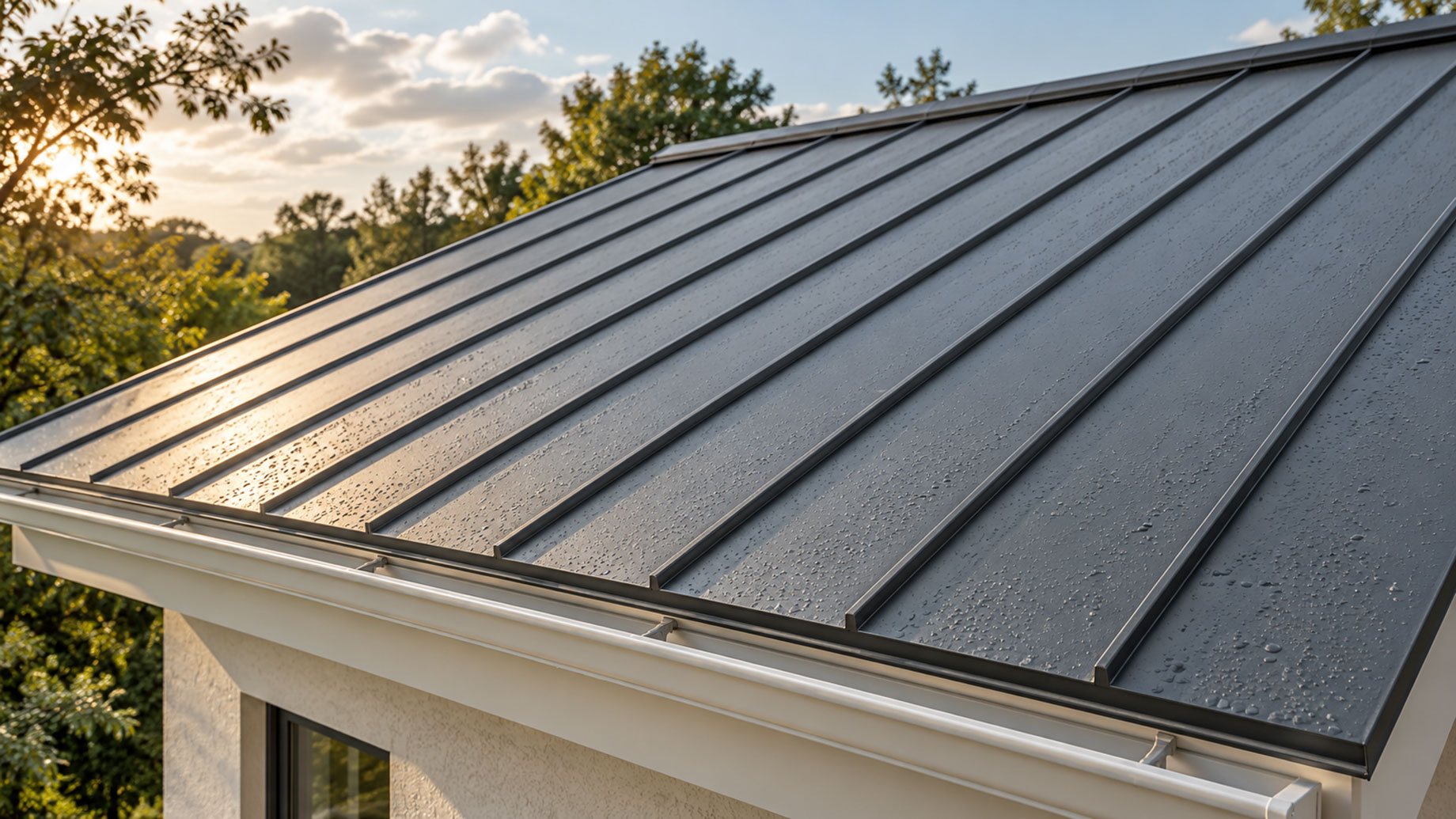
Standing seam metal panels provide top-tier durability against extreme environmental conditions. Data published by Architectural Digest demonstrates that architectural asphalt shingles last roughly 20 to 30 years, whereas standing seam metal installations easily cross the 50-year mark under average conditions.
Planning for total ownership costs means looking beyond short-term material costs. Long-lasting metal and composite solutions frequently save money over time by eliminating early replacement cycles.
Initial cost estimates often make standard asphalt options look like the cheapest path forward. Factoring in future maintenance, tear-off expenses, and repeat installation fees changes that financial comparison completely.
Different product classes require varying levels of routine care to preserve their physical integrity. Metal and synthetic options require minimal maintenance over their lifespans, while traditional asphalt shingles need periodic checks for wind uplift or granule loss.
How do slope and underlayment impact moisture protection?
Roof slope dictates how quickly rainwater and melting snow drain off your property. Combining proper pitch geometry with advanced underlayment membranes stops standing water from seeping into wooden deck panels.
- Install synthetic underlayment: Modern synthetic underlayments provide up to ten times greater tear resistance than traditional felt paper while forming an effective water barrier.
- Protect critical valleys: Applying self-adhered membrane sheets along valley intersections stops structural leaks caused by ice dams during winter freeze-thaw cycles.
- Maintain balanced ventilation: Pairing intake soffit vents with ridge exhaust vents keeps air moving beneath roof decks to reduce heat and moisture accumulation.
Low-sloped areas move water slowly, making them vulnerable to backed-up precipitation. Installing self-adhered ice and water barriers along critical seams protects underlying structural framing from standing water.
Winter conditions cause water to back up behind ice dams on low-pitch overhangs. Watertight membrane barriers stop migrating water from penetrating structural roof decks.
Proper air circulation keeps attic temperatures balanced throughout changing seasons. Balanced intake and exhaust vents stop excess moisture from damaging internal insulation and structural framing.
What key warranty terms should you evaluate before project sign-off?
Reviewing detailed warranty documentation helps you understand what protections apply over time. Look closely at coverage durations, non-prorated timelines, and specific maintenance expectations required by the manufacturer. Data published by the National Roofing Contractors Association reveals that improper installation techniques cause over 70 percent of early roof failures. Choosing certified installers guarantees that every component meets rigorous factory specifications to keep your full warranty active.
- Differentiate warranty coverage: Material warranties protect against product manufacturing defects, whereas installer guarantees cover physical craftsmanship errors.
- Keep detailed records: Storing installation contracts, material receipts, and periodic maintenance reports simplifies the future claims process.
- Verify contractor credentials: Working with factory-certified crews guarantees that material coverage stays active without coverage gaps.
- Review transfer options: Selecting transferable warranties helps maintain home value if you decide to sell your property down the road.
Combining product warranties with installer guarantees offers complete protection against unexpected repair costs. Understanding coverage limits gives you full confidence in your long-term exterior investment.
Keeping organized records of installation contracts, material receipts, and periodic maintenance reports simplifies future warranty claims. Documenting regular inspections proves that you maintained the installation according to manufacturer standards.
What long-term benefits do high-performance roof systems offer?
Upgrading your home with engineered materials protects internal structural framing while lowering annual energy expenses. Solar-reflective surfaces reduce summer cooling loads, keeping interior living spaces comfortable year-round.
Modern materials also raise overall property values by reassuring future buyers about structural durability. High-grade exterior protection gives you lasting confidence that your home can withstand intense storms without structural damage. Synthetic slate tile options deliver the classic visual charm of authentic stone without heavy structural demands. Research from Fine Homebuilding shows that synthetic slate tiles mirror real slate aesthetics while weighing almost 80 percent less, which significantly reduces total structural stress on residential frames.
Reflective roofing materials redirect solar heat away from your attic space. Reducing thermal transfer lowers summer air conditioning costs and decreases overall strain on HVAC equipment.
Continuous protection against moisture intrusion preserves wooden roof trusses, ceiling drywalls, and wall framing. Preventing structural rot keeps your property secure while protecting your overall financial equity.
How does regular roof maintenance extend the life of exterior materials?
Scheduling routine roof inspections helps identify minor issues before they develop into expensive structural problems. Checking for loose shingles, damaged flashing, clogged gutters, and deteriorating seals allows homeowners to address vulnerabilities early and maintain reliable weather protection throughout the year.
Seasonal maintenance also helps preserve the performance of roofing materials exposed to harsh environmental conditions. Removing debris, clearing drainage channels, and examining areas around chimneys, skylights, and roof valleys reduces the risk of moisture buildup and unexpected leaks. These preventive measures help maintain the integrity of the roofing system while minimizing the likelihood of premature material deterioration.
Partnering with qualified roofing professionals ensures that maintenance tasks follow manufacturer recommendations and preserve applicable warranty coverage. Professional assessments can identify hidden damage, evaluate ventilation performance, and determine whether individual components require repair or replacement.
Combining regular inspections with timely maintenance protects your exterior investment, improves long-term durability, and helps your home remain secure against changing weather conditions.
Focusing on high-grade materials alongside skilled craftsmanship ensures your home stays protected through every weather event. Selecting weather-rated materials and certified installers gives you confidence that your home will stay dry, safe, and secure for decades to come.
