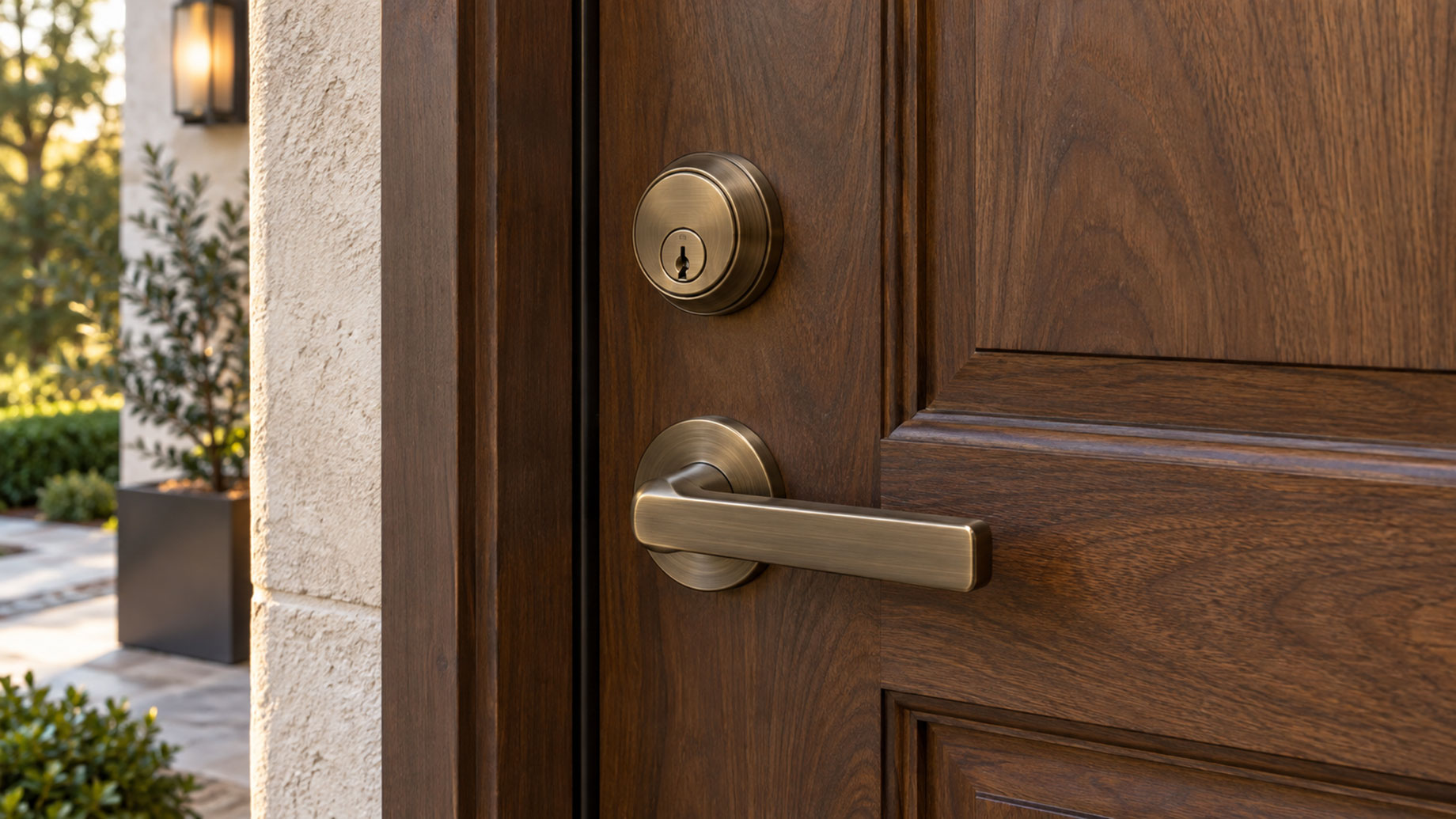
Luxury homes are often designed around comfort, convenience, and privacy. From expansive glass doors to private garages, guest suites, and smart-home systems, these properties can have more access points and more complex security requirements than a typical residence.
While cameras and alarm systems play an important role, physical access remains a fundamental part of a property’s security plan. The quality of the locks, the management of keys, and the way access is granted to staff and visitors all deserve careful consideration.
Start With the Property’s Entry Points
A security review should begin with the doors and windows that connect the property to the outside. Main entrances, side doors, patio doors, garage entrances, and secondary access points should all close securely and have functioning locks.
Large sliding doors and floor-to-ceiling windows can be defining features of contemporary architecture, but their locking mechanisms and frames require appropriate attention. Property owners should make sure the hardware is suitable for the installation and that doors cannot be easily displaced from their tracks.
A lock is only one part of the system. Door construction, frame strength, hinges, and installation quality also influence how well an entry point performs.
Manage Access Across Staff, Contractors, and Guests
Luxury properties may have housekeepers, maintenance professionals, property managers, landscapers, and other service providers who need access at different times. Giving everyone unrestricted access can create unnecessary risks.
A better approach is to establish clear permissions and review them regularly. Physical keys should be accounted for, while digital access codes should be changed or revoked when arrangements end. Temporary access can be useful for short-term guests or contractors, provided it is configured and removed appropriately.
When ownership changes, or when there is uncertainty about who may still hold a key, rekeying or replacing selected locks may be worth considering. The right option depends on the hardware, the property’s access requirements, and the owner’s security priorities.
Integrate Smart Locks With the Wider Security Plan
Smart locks can make access management more convenient. Some systems allow owners to issue temporary codes, monitor entry events, or manage access remotely.
However, connected hardware introduces its own maintenance responsibilities. Owners should install manufacturer updates, use strong account passwords, enable multifactor authentication where available, and review who has administrative access to the system.
It is also important to understand what happens during a power outage, network failure, or depleted battery. A reliable backup-entry procedure helps prevent a technology problem from becoming an emergency.
Smart locks should complement, rather than replace, a broader security plan. Their features and limitations should be evaluated alongside the physical quality of the door and the needs of the people using it.
Don’t Overlook Garages and Secondary Entrances
Garages, service entrances, basement doors, and gates can receive less attention than a property’s main entrance. Yet these areas may connect directly to living spaces or provide access to valuable vehicles, equipment, and storage.
Owners should check that garage doors close completely, access codes are not shared unnecessarily, and connecting doors have appropriate locks. When a contractor or temporary worker no longer needs access, any relevant codes or credentials should be reviewed.
Regular maintenance also matters. A lock that sticks, a loose handle, or a door that no longer aligns with its frame can indicate a problem that should be addressed before it causes a lockout or compromises normal operation.
Choose Professional Help Carefully
Even a well-maintained property can experience a lost key, a damaged lock, or a malfunctioning entry system. When professional assistance is needed, property owners should look for a locksmith who can explain the available options and work with the property’s specific hardware.
Before authorizing a repair or replacement, ask for a clear estimate covering the service call, labor, parts, and any additional charges. Verify the technician’s identity and check applicable local licensing requirements. For high-end properties with specialized hardware, it is especially important to confirm that the provider has experience with the relevant lock or access system.
Property owners seeking residential, commercial, or emergency locksmith assistance can contact EZ Locksmiths at (888) 850-3001 to discuss service availability and pricing. The company provides locksmith services across multiple U.S. markets, including New York City.
The best solution is not always a complete replacement. Depending on the circumstances, a professional may recommend repairing a component, rekeying an existing lock, or upgrading selected entry points.
Treat Security as Part of Property Maintenance
A luxury property’s long-term value depends on more than its finishes and amenities. Reliable access, well-maintained hardware, and thoughtful security procedures help protect both the property and the people who use it.
Owners can make security reviews part of routine property maintenance, alongside inspections of doors, windows, gates, and electronic systems. They should also revisit access permissions after renovations, changes in household staff, or a change of ownership.
A considered approach to locks and access control helps preserve the privacy and convenience that luxury properties are designed to provide. The objective is not to make a home feel restrictive, but to ensure that its security arrangements work quietly and reliably in the background.
