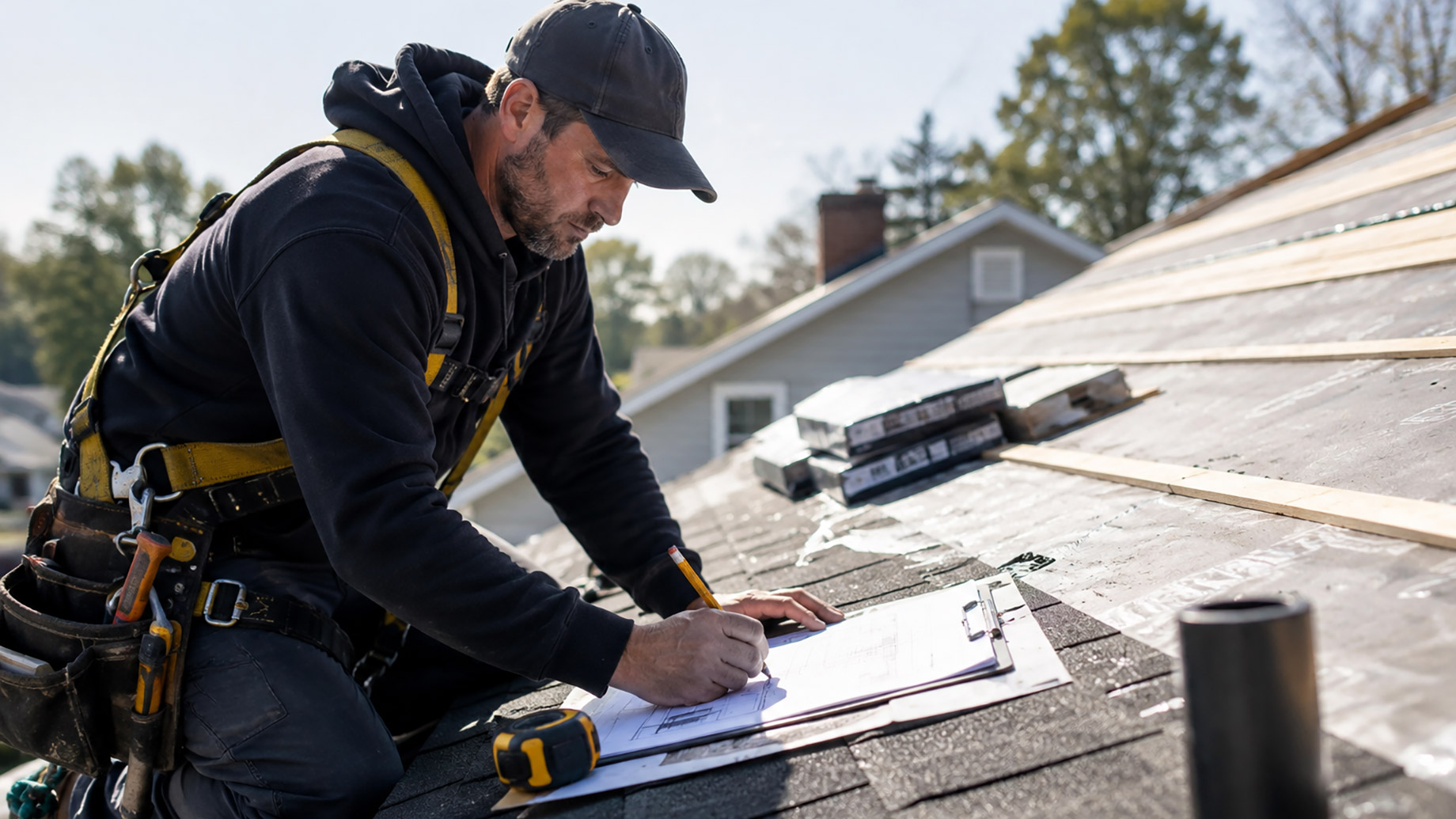
Starting a roofing project without proper preparation can turn a straightforward repair into a costly, drawn-out ordeal. Huntington, NY, homeowners face a distinct set of challenges, from seasonal weather patterns to local permit requirements, that make early planning non-negotiable. Understanding what’s involved before the first nail goes in saves time, money, and a great deal of frustration.
The decisions you make before work begins shape every phase of what follows. Material choice, contractor selection, and permits each directly affect how long your roof lasts and how much it costs. Here’s what you need to think through.
Local Permits and Building Code Requirements
Huntington falls under Suffolk County jurisdiction, and any structural roofing work typically requires a permit from the Town of Huntington Building Department. Roofing services by Smart Choice Contracting, operate within these local codes daily, which is why working with a contractor familiar with the area matters more than many homeowners initially expect. Skip the permit process, and you’re looking at fines, forced removal of completed work, and real headaches if you try to sell your home later.
The permit process demands a licensed contractor, detailed project documentation, and sometimes an inspection mid-project and again upon completion. Suffolk County building codes spell out minimum standards for underlayment, flashing, and ventilation. Those details affect both structural integrity and long-term performance. Before you sign anything, confirm that your contractor handles the permit application on your behalf; the scope on the permit should match what’s written in your agreement exactly.
Choosing the Right Roofing Material for Long Island’s Climate
Long Island’s climate puts real stress on roofing systems. Heat and humidity show up in summer; winters bring freezing temperatures, ice dams, and nor’easters with serious wind loads. Your material needs to hold up across all of it, not just look polished on day one.
Asphalt shingles remain the most popular choice on Long Island because they’re cost-effective, come in a wide range of styles, and perform decently in varied weather. Architectural or dimensional shingles offer better wind resistance than standard three-tab options, typically rated to withstand winds of 110 to 130 miles per hour. If your home faces strong wind exposure (common in waterfront and open-lot properties across Huntington), this rating deserves serious attention.
And metal roofing? It’s worth considering if you want maximum longevity. Metal roofs can last 40 to 70 years with proper upkeep and resist ice dam formation better than most shingle products. The upfront cost runs higher, but the long-term math often favors metal in climates like Long Island’s; impact-resistant shingles sit somewhere in between. Don’t settle on a material based on price alone; talk through the full lifecycle cost with your contractor first.
Evaluating the Contractor You Plan to Hire
Not every roofing contractor operating on Long Island brings the same level of experience or accountability. The difference between a quality installation and a failed one often comes down to who actually does the work and how closely they follow manufacturer guidelines and local code standards.
Start by checking for:
- A valid New York State contractor license
- Proof of liability insurance and workers’ compensation coverage
- A physical business address and verifiable history in the area
- Manufacturer certifications that allow the contractor to offer extended warranties
- References from recent local jobs you can contact yourself
Beyond credentials, pay attention to how the estimate process unfolds. Contractors who send a salesperson rather than a hands-on professional to assess your roof may not fully understand what the job requires. A detailed written estimate that breaks out labor, materials, disposal, and permit fees should be standard, not a premium service. If a quote comes back as a single lump-sum figure with no breakdown, ask for itemization before moving forward.
Understanding the Full Scope of Your Project
Here’s the thing: homeowners often underestimate how much a roofing project involves beyond removing old shingles and laying new ones. Proper replacement includes inspection and possible repair of the roof deck, installation of ice and water shield along eaves and valleys, new felt or synthetic underlayment across the entire field, flashing around all penetrations, and correct ridge vent installation for ventilation.
Each component matters. Inadequate ventilation is one of the leading causes of premature shingle failure in the Northeast. Heat and moisture trapped in an attic space accelerate shingle degradation from the underside; in practice, this also voids the manufacturer’s warranty. Before work begins, ask your contractor to walk through the full scope of what’s included, and get it in writing. Any item left off that agreement is an item you may end up paying for later as a change order.
Timing and Seasonal Considerations in Huntington
Roofing in Huntington has a practical seasonal rhythm that affects both scheduling and results. Late spring through early fall represents the ideal window for full replacements, since temperatures in the 45°F to 85°F range allow asphalt shingles to seal properly. Cold installations are possible but carry more risk; shingles can crack during handling, and adhesive strips may not bond correctly below 40°F.
But storm damage doesn’t follow a convenient calendar. If you’re facing an active leak or substantial damage heading into winter, waiting isn’t realistic. In those cases, a quality contractor can work in colder conditions using proper techniques, though the timeline and staging may shift. Book your project as early in the season as possible to avoid contractor backlog, which peaks sharply in late summer and after major storms; getting on a contractor’s schedule three to four weeks ahead of your target start date is typically the minimum in a busy market like Huntington.
Conclusion
The factors to consider before starting a roofing project in Huntington, NY come down to preparation, local knowledge, and the right professional in your corner. Pull the proper permits, choose materials matched to Long Island’s weather demands, and hire a contractor whose credentials you’ve actually checked. Understand the full scope of what the work involves before any agreement is signed. A little front-end diligence protects both your investment and your home for decades to come.
