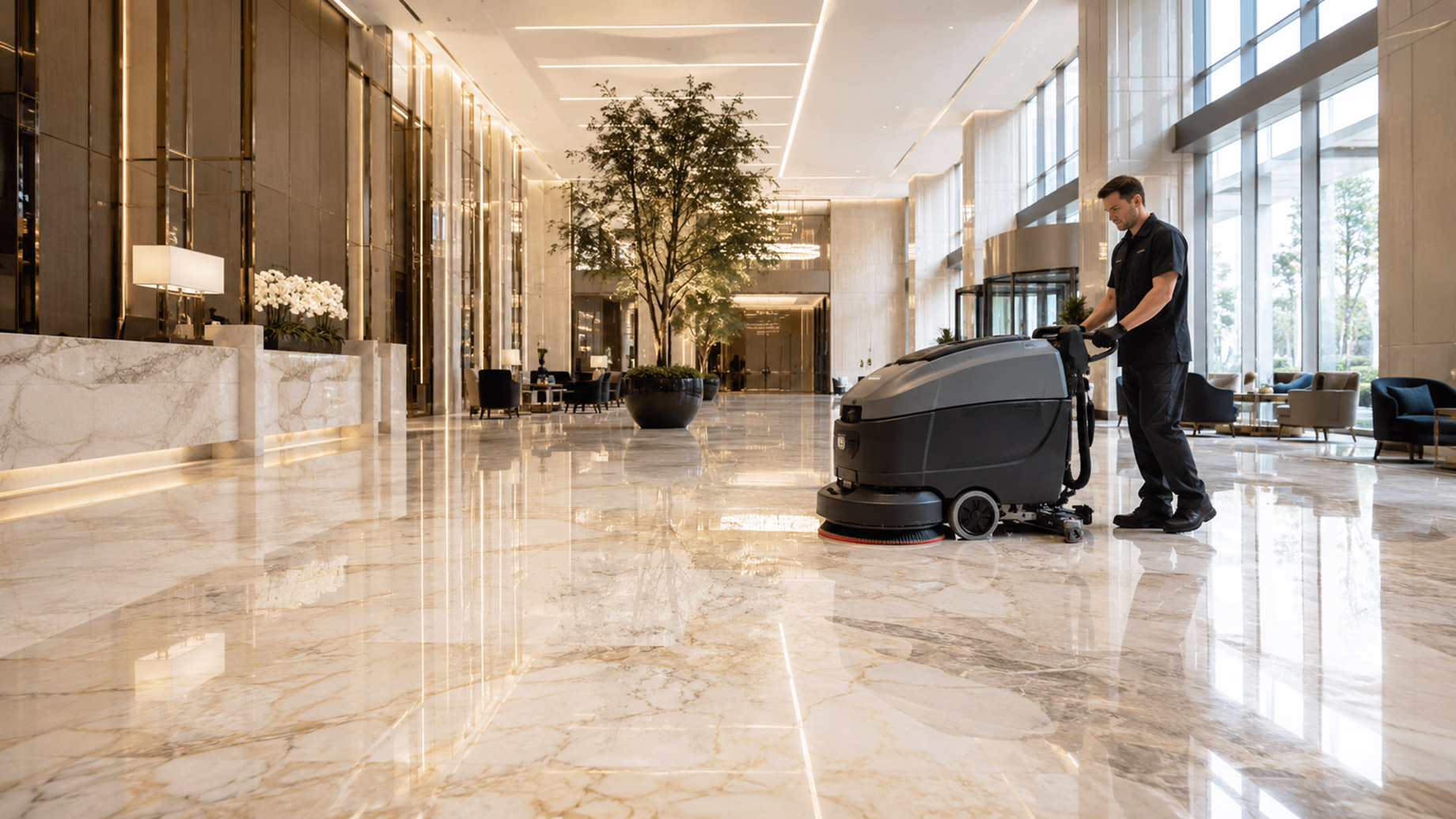
In a premium property, quality lives in the details, and few details are as visible as the floor. A gleaming lobby or a spotless showroom signals care before a single word is spoken. A dull or marked floor does the opposite, quietly undermining an otherwise flawless space.
Keeping large floor areas that clean is harder than it looks. It takes the right machines, used regularly, across thousands of square feet. For many managers, industrial carpet cleaner hire offers access to professional-grade equipment without the cost of buying it. This guide covers how premium spaces stay immaculate at scale.
Why Do Floors Define a Property’s Impression?
Because they are everywhere the eye travels. Floors set the tone underfoot.
Visitors may not consciously study the floor, but they notice how a space feels. A clean, well-kept surface reads as professional and cared for. In luxury real estate, hospitality, and retail, that impression directly shapes value.
The point is perception. A spotless floor quietly reinforces quality, while a neglected one can make even the finest interior feel a little less premium.
What Makes Large-Scale Floor Cleaning Hard?
Sheer size and consistency. Big spaces demand power and routine.
Cleaning thousands of square feet by hand is slow and uneven. Large industrial facilities and premium venues need machines built for scale.
Safety is part of it too, since wet or dirty floors are a hazard. That risk is spelled out in the OSHA guidance on walking and working surfaces.
The challenge is scale plus standards. Both push managers toward professional equipment.
Buy or Hire the Equipment?
It depends on how often you need it. Hiring often wins on cost.
Industrial scrubbers and sweepers are expensive to buy and maintain. Hiring gives access to current, well-serviced machines only when needed, avoiding a large capital outlay. For occasional deep cleans or seasonal projects, that flexibility is hard to beat. You also skip the storage, servicing, and depreciation that come with owning heavy machines.
What Equipment Keeps Big Floors Clean?
A few specialized machines. Each handles a different job.
The equipment that keeps large floors immaculate includes these 5:
- Scrubber dryers. Wash and dry hard floors in one pass.
- Sweepers. Clear debris from large areas fast.
- Carpet extractors. Deep-clean fibers and lift stains.
- Rotary machines. Polish and buff hard surfaces.
- Wet and dry vacuums. Handle spills and fine dust.
Each machine targets a specific surface. Together they keep an entire property presentable.
Why Does Clean Flooring Matter for Safety?
Beyond appearance, it prevents accidents. Clean floors are safer floors.
Slips and trips are among the most common workplace injuries, and clean, dry floors reduce that risk. A few points stand out:
- Standing water and debris create slip hazards.
- Well-maintained floors meet safety expectations.
- Regular cleaning supports a safe environment.
Each point protects people and reduces liability. The rules are set out in the OSHA standard on working surfaces.
How Do You Choose a Cleaning Approach?
By matching the method to the space. Options range from in-house to fully outsourced.
Some properties keep machines and staff on hand, while others rely on a commercial cleaning service for scheduled work. Hiring equipment sits neatly between the two, giving control without ownership. The right choice depends on frequency, budget, and the size of the space.
The theme is fit. The best approach matches how the property is actually used.
Key Points to Keep In Mind
- Clean floors signal quality in any premium property.
- Large spaces need machines built for scale and speed.
- Hiring equipment avoids a large capital outlay.
- Scrubbers, sweepers, and extractors each do a distinct job.
- Clean, dry floors reduce slip and trip hazards.
- The right approach matches frequency, budget, and size.
Presentation That Holds Up Underfoot
In premium spaces, presentation is everything, and floors carry more of that impression than most people realize. Keeping them immaculate across large areas takes the right machines used on a regular schedule. Hiring professional equipment gives managers that capability without the cost and upkeep of ownership. Match the approach to your space and traffic, and your floors will keep making the right impression. They quietly reinforce the quality of everything above them, day after day and guest after guest.
Frequently Asked Questions
Is It Cheaper to Hire or Buy Floor-Cleaning Equipment?
For most properties, hiring is more cost-effective unless you need the machines constantly. Industrial scrubbers and sweepers are expensive to purchase, service, and store. Hiring gives access to well-maintained, current equipment only when you need it, avoiding a large upfront investment. For occasional deep cleans, seasonal work, or one-off projects, hiring almost always makes more financial sense than owning.
What Equipment Is Best for Large Floor Areas?
It depends on the surface. Scrubber dryers are ideal for hard floors, washing and drying in a single pass, while sweepers quickly clear debris from big spaces. Carpet extractors deep-clean fibers, and rotary machines polish hard surfaces. Most large properties need a combination rather than a single machine. Matching the equipment to your specific floors and traffic delivers the best results.
How Often Should Premium Property Floors Be Cleaned?
It varies with traffic and setting, but high-visibility areas usually need daily attention and periodic deep cleaning. Lobbies, showrooms, and entrances see the most footfall and show wear fastest. A routine of regular maintenance plus scheduled deep cleans keeps floors consistently presentable. The exact frequency should reflect how heavily the space is used and the standard the property aims to maintain.
Does Floor Cleanliness Really Affect Safety?
Yes, significantly. Slips, trips, and falls are among the most common accidents in commercial spaces, and standing water or debris makes them more likely. Clean, dry, well-maintained floors reduce that risk and help meet safety expectations. Beyond
