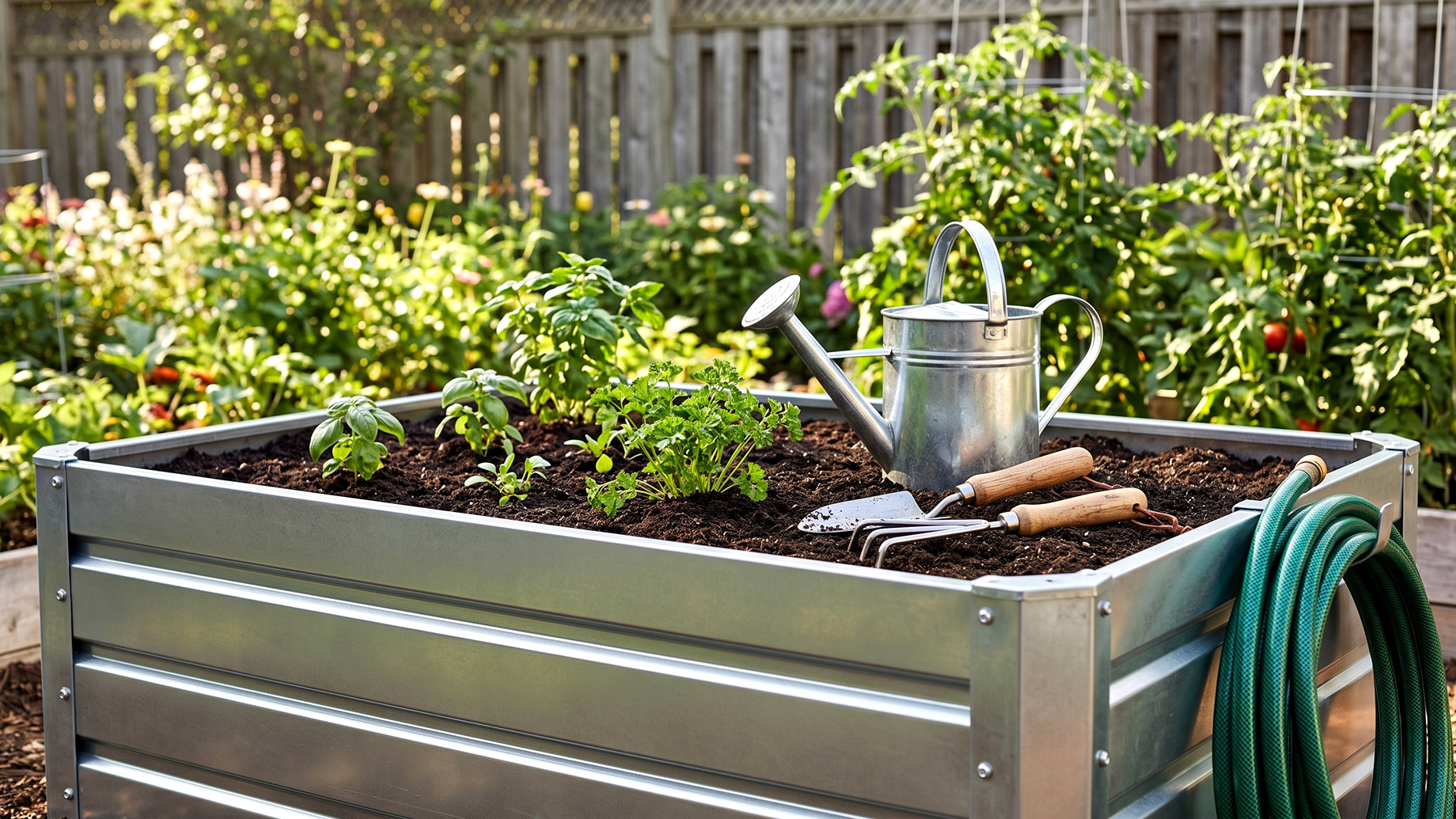
In Canada, the growing emphasis on sustainability, efficient land use, and controlled cultivation environments has led to increased adoption of structured planting systems in industrial and semi-industrial settings. Among these systems, the rectangular metal raised garden bed has emerged as a practical solution for logistics facilities, warehouses, and industrial operators seeking organized and manageable green spaces. These systems are not limited to agriculture; they are increasingly used in workplace wellness programs, urban logistics hubs, and controlled planting environments.
Relevance in Canadian Industrial and Operational Contexts
Canada’s climate and regulatory environment require durable, weather-resistant infrastructure. Metal raised garden beds, especially those constructed from galvanized and powder-coated materials, provide resilience against corrosion, snow load, and temperature fluctuations. For warehouse managers and industrial buyers, these systems offer structured planting areas that can be integrated into outdoor logistics yards or indoor controlled environments.
In operational settings, these beds support:
- Workplace sustainability initiatives
- Employee engagement programs
- Small-scale food production in remote or industrial locations
- Controlled planting for research or testing purposes
Technical Overview and Use Cases
Design and Structural Characteristics
Rectangular metal raised garden beds are typically constructed from galvanized steel panels with protective coatings. The rectangular form allows efficient space utilization, especially in linear warehouse layouts or along facility perimeters. Modular assembly enables scalability based on operational requirements.
Common Industrial Use Cases
- Perimeter planting zones in logistics yards
- Indoor hydroponic or soil-based pilot projects
- Training environments for agricultural equipment handling
- Temporary installations for environmental testing
Importance of Efficiency, Safety, and Productivity
Efficiency in industrial environments depends on structured layouts and minimal disruption to operations. Raised beds reduce the need for ground preparation and simplify irrigation and maintenance processes. From a safety perspective, defined planting zones reduce trip hazards and prevent uncontrolled soil displacement.
Productivity benefits include:
- Reduced labor time for soil management
- Improved accessibility for equipment operators
- Better control of planting conditions
Technical Requirements and Capability Considerations
When selecting and deploying raised garden beds in industrial settings, several technical factors must be evaluated:
- Material thickness and coating durability
- Load-bearing capacity for soil and moisture content
- Compatibility with irrigation systems
- Ease of assembly and relocation
Operators should also consider integration with existing facility layouts and compliance with occupational safety standards.
Factors Affecting Performance and Effectiveness
Performance is influenced by both environmental and operational variables. In Canada, seasonal changes significantly impact soil conditions and structural stress on materials.
- Temperature variation and freeze-thaw cycles
- Moisture retention and drainage efficiency
- Exposure to industrial contaminants
- Placement relative to heavy equipment traffic
Safety Considerations and Best Practices
Safety remains a primary concern in industrial environments. Raised garden beds should be installed with attention to stability and accessibility.
- Ensure secure anchoring on uneven surfaces
- Avoid placement in high-traffic equipment zones
- Use protective edging to reduce injury risk
- Conduct regular inspections for structural integrity
Associated Equipment and Accessories
Effective implementation often requires complementary tools and systems:
- Automated irrigation systems
- Soil monitoring sensors
- Protective covers for seasonal use
- Material handling equipment for soil transport
Advantages and Limitations
Advantages
- Durability in harsh climates
- Structured and organized planting areas
- Reduced soil contamination risk
- Ease of maintenance
Limitations
- Initial installation cost
- Limited flexibility once installed
- Potential heat retention in metal materials
Real-World Applications
Several Canadian logistics facilities have integrated raised garden beds into employee wellness programs. In remote industrial sites, these systems support small-scale food production, reducing supply chain dependency. Research facilities also use them for controlled agricultural testing under variable environmental conditions.
Conclusion and Industry Outlook
TMG Industrial rectangular metal raised garden beds represent a practical and adaptable solution within industrial and logistics environments in Canada. Their durability, structured design, and compatibility with modern operational systems make them suitable for a range of applications beyond traditional gardening.
Looking ahead, integration with smart monitoring technologies and sustainable facility design will likely expand their role. As industrial operations continue to prioritize efficiency and environmental responsibility, structured planting systems will remain a relevant component of modern infrastructure.
