Key Highlights
- Maintaining routine helps reduce stress when working away for extended periods.
- The right accommodation supports rest, privacy, and recovery after long shifts.
- Staying connected to family and support networks improves overall wellbeing.
- Small personal habits can make temporary living feel more settled and sustainable.
Working away from home can be both rewarding and demanding. Whether it involves mining projects, construction work, or contract roles in regional areas, extended time away from familiar surroundings presents its own challenges. Long shifts, changing routines, and physical demands can take a toll if comfort and wellbeing are not prioritised.
For many workers in regional Australia, time spent in small local towns is part of the job. While the work itself may be structured and predictable, daily life outside of work requires adjustment. Creating a sense of stability in an unfamiliar place becomes essential.
Comfort is not simply about convenience. It influences sleep quality, stress levels, and overall performance. By making thoughtful choices about accommodation and daily habits, workers can create a more balanced and sustainable experience while away from home.
Creating routine in unfamiliar environments
Routine provides structure when surroundings change. Simple habits such as consistent wake-up times, regular meals, and evening wind-down rituals help maintain stability. Even when working rotating shifts, small routines can anchor the day.
Planning meals in advance and setting aside time to relax after work supports both physical and mental recovery. Familiar activities such as reading, calling family, or exercising at the same time each day can create a sense of normalcy.
Consistency reduces decision fatigue and allows energy to be directed toward work and wellbeing rather than adjusting constantly to change.
Choosing accommodation that supports rest and recovery
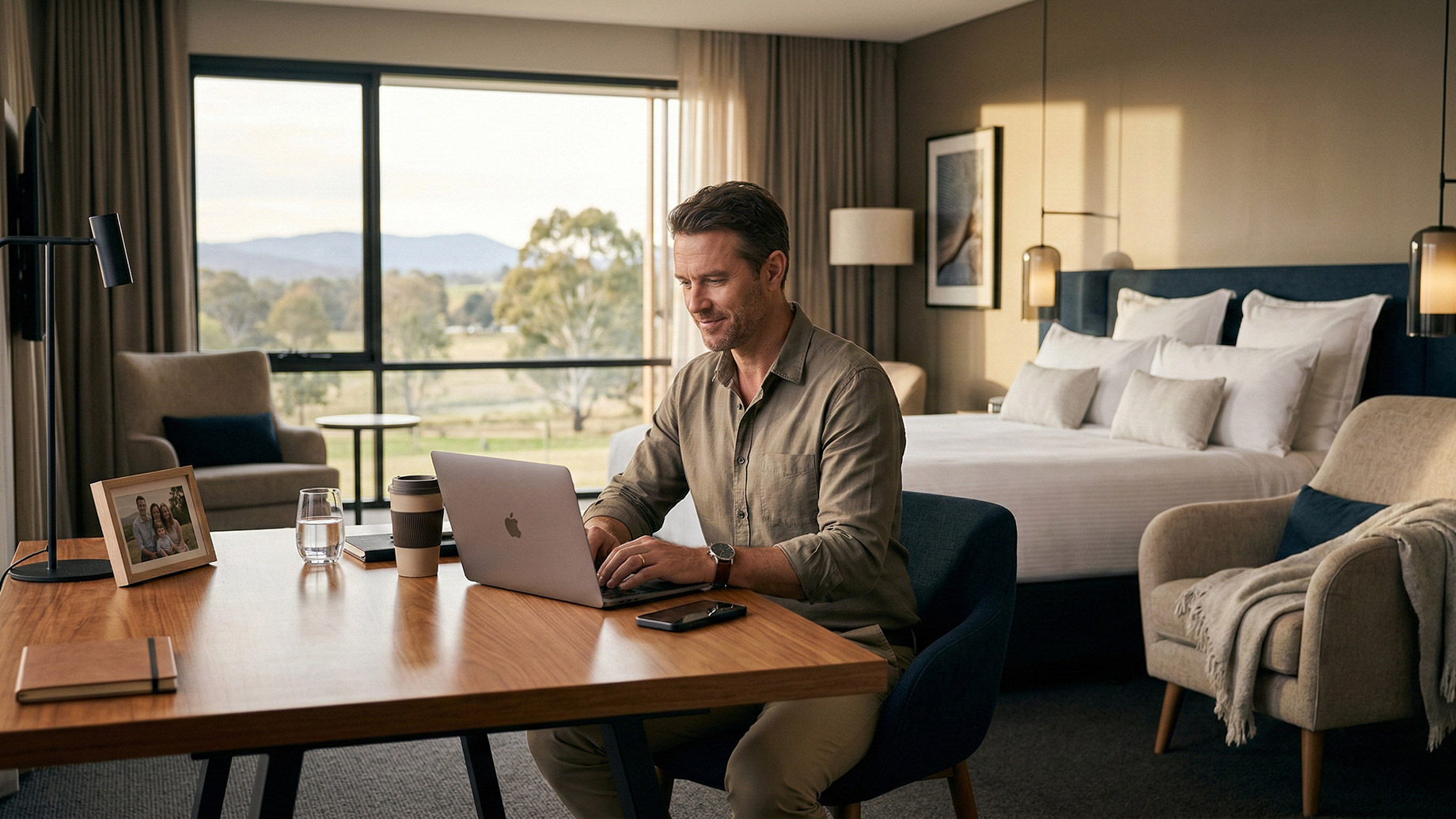
Quality rest is one of the most important factors when working away. Accommodation should provide quiet surroundings, comfortable bedding, and adequate space to unwind after long shifts.
When searching for accommodation Moranbah offers a range of options, but prioritising privacy, cleanliness, and practical amenities makes a significant difference. Access to cooking facilities, laundry services, and reliable internet can improve day-to-day comfort.
A well-maintained and thoughtfully managed space supports better sleep and recovery. This contributes directly to performance and safety on site.
Staying connected to home and support networks
Extended time away can create distance from family and friends. Maintaining regular communication helps reduce feelings of isolation. Scheduled calls, video chats, and shared updates provide reassurance and connection.
Technology makes staying in touch easier than ever, but intentional effort is still required. Setting aside time to connect, even during busy weeks, strengthens relationships and emotional wellbeing.
Feeling supported outside of work contributes to resilience and helps maintain perspective during demanding periods.
Looking after physical and mental wellbeing
Physical demands in remote or industrial roles require proactive care. Staying hydrated, eating balanced meals, and incorporating light exercise or stretching can prevent fatigue from building over time.
Mental wellbeing is equally important. Taking time to decompress after shifts, engaging in hobbies, or spending time outdoors supports stress management. Many regional towns offer recreational spaces that provide a break from work environments.
Recognising signs of burnout early allows workers to adjust routines and seek support if needed.
Making temporary spaces feel personal
Even short-term accommodation can feel more comfortable with small personal touches. Bringing familiar items such as a favourite pillow, photos, or preferred toiletries creates a sense of continuity.
Establishing a simple evening ritual, such as making tea or listening to music, can signal the transition from work to rest. These small habits help transform a temporary room into a more personal space.
The goal is not to recreate home entirely, but to create enough familiarity to feel grounded.
Building sustainable comfort over time
Working away from home is often part of a long-term career path. Developing strategies that prioritise comfort and wellbeing ensures that time spent away remains manageable.
By maintaining routine, selecting supportive accommodation, and staying connected to loved ones, workers can reduce stress and improve overall quality of life while on assignment.
Comfort supports performance, safety, and resilience. With thoughtful planning, working away from home can feel structured and balanced rather than disruptive.
