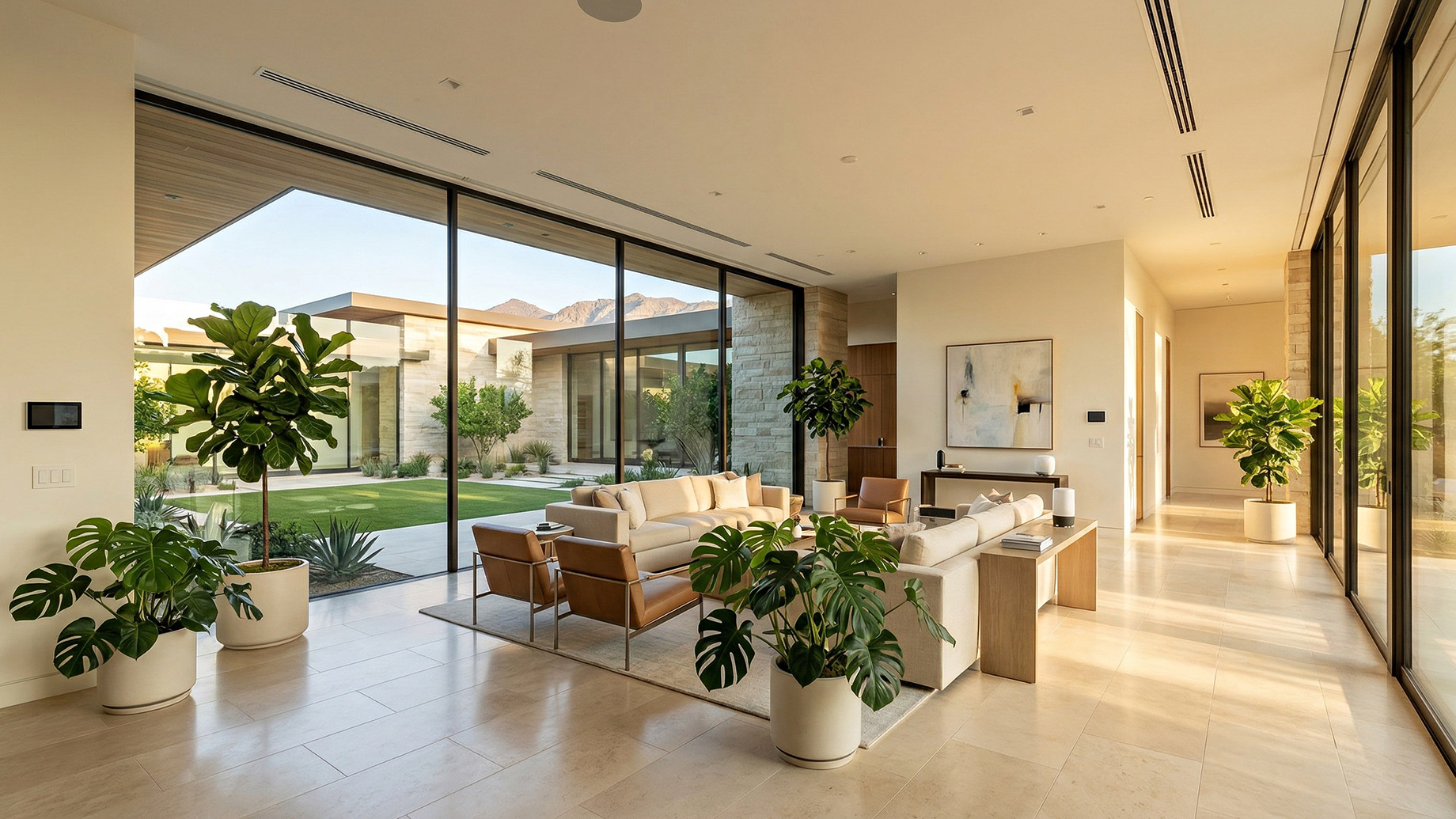
High gloss marble floors and floor to ceiling glass walls define many modern residences in Manhattan. These expensive materials create a stunning look but can sometimes hide environmental issues. Many luxury estates use airtight seals to save energy. These barriers can trap moisture and pollutants inside if the ventilation is not perfect.
Maintaining a clean residence requires more than just a cleaning crew or expensive furniture. Property owners must manage the invisible factors that determine the quality of their indoor environment. A healthy living space helps protect your family and your asset value over time.
Environmental Monitoring for Modern Estates
Smart technology now includes more than just lights and security cameras. Modern setups use sensors to track chemicals and humidity in every room of a large house. For people living in the city, using professional services like https://fastmoldtesting.com/new-york/ provides a clear health baseline. These tests let owners find risks before they cause damage or health problems.
HVAC Filtration Systems
Large properties often use complex mechanical setups to manage temperature across many rooms. These machines can pull in dirty city grit if they are not set up right. Regular testing proves the filters are doing the job the builder promised. You should rely on data from physical samples instead of waiting for a bad smell.
Humidity Control for Special Rooms
Many high end properties have wine cellars, indoor pools, or art galleries that need specific atmospheric settings. Moisture levels above 60 percent allow spores to grow inside walls or behind custom cabinets. Checking these areas is vital because a small leak can cause big problems fast.
The Environmental Protection Agency shares data on indoor air quality that shows indoor pollutants are often higher than outdoor levels. This fact is very important for city dwellings where outdoor breeze has more dust and smoke. Many owners install medical grade filters to keep their breathing space clean and safe.
Protecting Property Structures and Interior Finishes
Fine residences often have rare wood and delicate art that react to small changes in the room. A spike in dampness risks the health of the people and the collection. If mold grows on silk walls or custom wood, the repair cost is very high. Early detection saves money and protects these valuable items.
The Value of Honest Testing
Expert testing is the best way to protect your investment without any bias. An inspector who does not do repairs will give you a fair report. This document is helpful for insurance and keeping the market price high. Owners can use these facts to tell their maintenance teams exactly what to fix.
Smart Maintenance Steps
A good plan for building health involves checking both the outside and the inside. Property managers should follow a routine to keep everything in top shape. You can use this list of steps to help your team stay on track.
- Get an atmospheric audit every year to see seasonal changes.
- Check the seals on windows and doors every six months.
- Look at the drainage in the basement and garage for standing liquid.
- Make sure all fans in the kitchen and bath vent outside.
Water leaks are the main cause of most structural health issues in any building. A small drip from a fridge can soak the floor for weeks without notice. Professional testing finds this hidden dampness by checking for airborne spores.
Healthy Design in Modern Architecture
Architects now focus on building structures that support human health. They use safe materials and place vents to help fresh breeze flow naturally. Many sustainable design features are now common in high end dwellings. Buyers want a place that acts as a safe space away from the city.
Safe Materials and Air Safety
Using low chemical paints and natural stone helps keep the rooms clean. Even green materials can fail if the outside of the building leaks. You must check the roof and walls to keep the interior dry. New York weather can crack stone and let rain get into the insulation.
Plants and Indoor Health
Adding greenery to a room can make the environment better and look great. This design style needs special drains and humidity tools to prevent water issues. Monitoring these spots ensures the plants do not cause moisture problems. This keeps the space safe while the residence looks beautiful.
Keeping Standards High for Luxury Real Estate
The price of a prime property depends on its repair history and professional care records. Buyers in this market are smart and bring their own inspectors. Having clean environmental reports can make a sale happen much faster. It proves the owner took great care of the entire site.
Building Records and Expert Help
Good records show you made structural health a priority while you lived there. This prevents big surprises during an inspection when you try to sell. It also gives you peace of mind every day you live in the house. Owners should keep these specific items in their property files.
- Keep a digital log of all tests and professional checks.
- Save receipts for filter changes and system tune ups.
- Write down any pipe repairs or roof work done on the building.
- Check reports from certified indoor environmentalists to see the latest health rules.
Creating a healthy living space takes work every single month of the year. Homeowners must stay informed as building rules and health standards get better. Specialists who know city luxury life can help keep your house a safe place.
Long Term Strategies for Property Wellness
True luxury means the residence is safe in ways you cannot see. Regular testing and maintenance let you enjoy your space with total confidence. A great house should be a healthy place for everyone who enters.
Investments in air quality and structural checks pay off in the long run. High property values stay stable when the indoor environment remains clean and dry. Professional oversight ensures your sanctuary remains a healthy place for your family.
