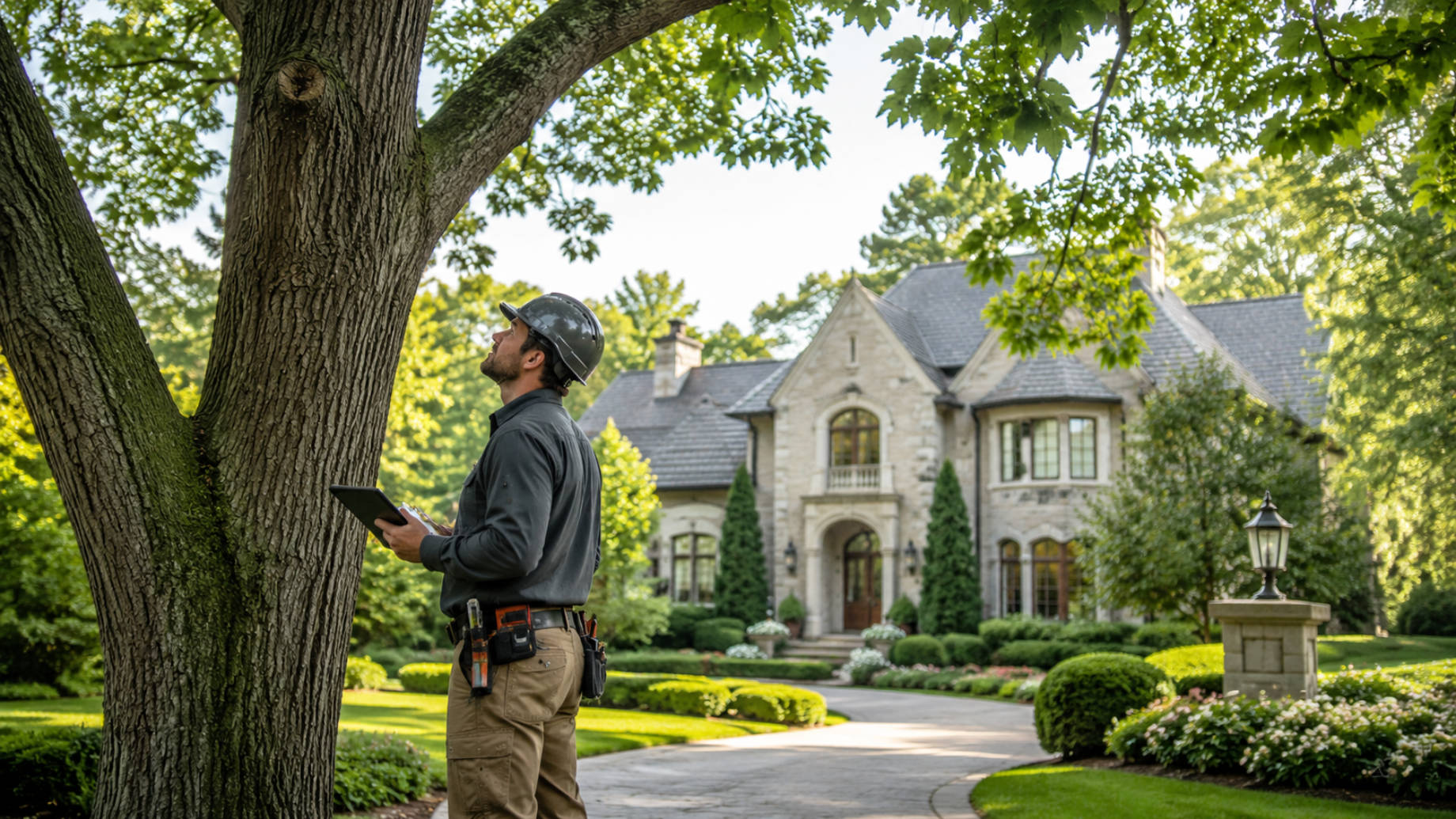
A grand home rarely stands alone. Think of the oak that frames a circular drive or the row of figs that screens a pool. Mature trees do a quiet, expensive amount of work for a high-end property. Buyers feel it before they can name it. A street lined with old growth reads as established, private, and worth more than the bare lot next door.
That value is fragile. A split limb over a slate roof or root rot under a feature tree can turn an asset into a liability in one storm. Owners on the Gold Coast and across Brisbane often call a specialist like Treesafe Environmental Services only after a branch has already failed. The smarter move is steady, planned care that keeps the canopy and the people beneath it safe. That difference shows up directly in resale numbers.
Why Mature Trees Lift a Luxury Home’s Worth
Real estate agents have long treated established trees as a selling point. A healthy mature canopy signals a settled neighborhood. It also shades the home through summer, cutting cooling costs in the hottest months. For a buyer comparing two similar listings, the greener block usually wins. A considered exterior color scheme sways a first impression the same way.
The premium is real and measurable. Studies of urban property markets repeatedly tie tree cover to higher sale prices, with well-placed mature trees adding a notable percentage to a home’s value. Several factors drive that lift:
- Privacy that screens a pool deck or master suite from neighbors.
- Energy savings from shade that reduces the air-conditioning load.
- Street presence that supports a stronger first impression.
Trees also age well when they are looked after. What an owner does in a tree’s first few years shapes its strength and lifespan for decades, so early structural pruning pays off long after the work is done.
When a Beautiful Tree Becomes a Real Hazard
The same tree that adds value can also threaten it. Dead wood, cracked unions, and limbs grown out over a roof are the usual culprits, and they fail without warning during high wind. Insurers treat a known defect that is left unmanaged very differently from a sudden act of nature.
Risk tends to cluster in a few predictable places, much as a worn roof quietly invites water damage until someone reads the warning signs from the top down. Owners and their grounds staff should watch for the same kind of early signals:
- Large dead branches hanging over a roof, driveway, or pool.
- Trunk cracks, cavities, or fungal brackets near the base.
- A sudden lean, lifted roots, or soil heaving on one side.
- Limbs growing into power lines or against the structure.
Horticulture extension specialists are direct on this point. Owners should call a certified arborist to prune larger limbs and remove trees, especially when a tree sits close to power lines or buildings. Climbing a 15-meter eucalypt with a chainsaw is not a weekend job. The consequences of getting it wrong are severe.
What Professional Tree Care Actually Covers
Good arboriculture is more than cutting. A qualified crew reads the whole tree, then prescribes the lightest intervention that keeps it sound. Topping, the practice of lopping a crown back to stubs, is not recommended because it leads to poor branch structure and increased limb breakage down the track.
A typical care program for a high-value property runs across several services:
- Structural pruning to remove dead, diseased, or crossing limbs.
- Crown thinning that lets wind pass through rather than push the tree over.
- Stump grinding after a removal so the ground can be replanted or paved.
- Selective removal of a tree that is dead, dangerous, or wrongly sited.
Timing matters too. Most deciduous trees are best pruned in late autumn through winter, when the branch structure is visible and disease pressure is low. A skilled crew also follows the one-third rule. They remove no more than a third of a tree’s crown at any single visit, so the canopy is never shocked into decline.
Choosing the Right Crew for a High-End Property
Not every operator who owns a chipper belongs on a multimillion-dollar block. The cheap quote often skips insurance, leaves a butchered canopy, and damages the very feature it was hired to protect. A short checklist separates the professionals from the rest.
Before signing anything, confirm the basics:
- Qualifications: A recognized arboriculture certification, not just experience.
- Insurance: Current public liability cover sized for the property.
- References: Recent work on comparable homes you can inspect.
- Method: A written plan that explains each cut and its purpose.
A firm with more than 20 years on residential and commercial sites brings judgment a first-year contractor cannot. That experience shows in clean cuts, tidy sites, and trees that recover fast. On a luxury property, one careless drop can crack a tiled terrace. That margin is the whole point.
Mulching closes the loop. Published tree care guidance recommends a layer 2 to 4 inches deep across a 3-foot area, kept clear of the trunk. That layer insulates roots and locks in moisture between visits. Small, steady habits keep a prized canopy healthy for the next owner to admire.
Frequently Asked Questions
How Often Should Mature Trees On a Large Property Be Inspected?
A qualified arborist should assess the main trees at least once a year. A second check after any major storm is wise. Annual checks catch deadwood, cracks, and root problems while they are still cheap to fix. Trees near the house, the pool, or the driveway deserve the closest attention. A failure there does the most damage.
Does Removing a Large Tree Hurt or Help Resale Value?
It depends entirely on the tree. A healthy, well-placed shade tree usually adds value, so removing it can cost you at sale. A dead, diseased, or badly sited tree does the opposite. The right call is a professional assessment that weighs the tree’s health, position, and species. Replacing it with a suitable species protects long-term value.
Is DIY Pruning Ever a Reasonable Option?
Light work on small ornamental trees within easy reach can be a sensible owner task. Anything that needs a ladder, a chainsaw, or work near power lines should go to professionals. The risk of injury rises sharply with height. So does the chance of disfiguring a feature tree. For trees taller than about 4 meters, hire a crew.
What Does Professional Tree Care Cost On a Luxury Block?
Pricing varies with tree size, access, and the work involved. A written quote after a site visit is the only honest figure. A single structural prune costs far less than repairing a roof a falling limb destroys. Many owners put their main trees on an annual plan. That spreads the cost and prevents the emergencies that neglect invites.
